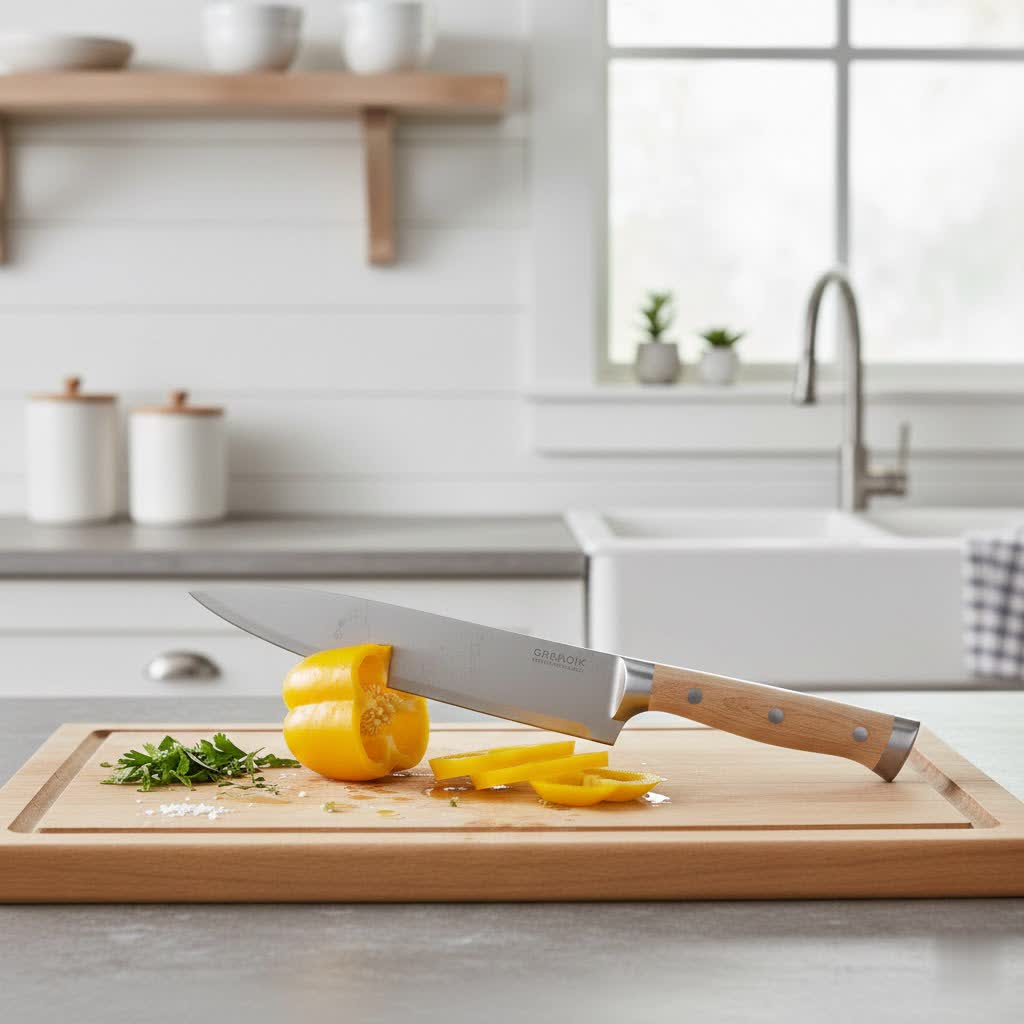
For centuries, the mere mention of Damascus steel has conjured images of legendary blades, shimmering with mesmerizing patterns and fabled for their unparalleled strength. This mystique has captivated enthusiasts and artisans alike, leading many to wonder: is Damascus steel genuinely stronger, or is its allure purely skin-deep? The truth, much like the layers within the steel itself, is more intricate than a simple yes or no.
The Echoes of Ancient Damascus: A Lost Art
The legend of Damascus steel traces back to ancient India and the Middle East, specifically the city of Damascus, where unique “Wootz” steel was forged into swords renowned for their incredible sharpness, durability, and distinct wavy patterns. These original Wootz blades were crucible steels, not pattern-welded, and their unique properties stemmed from a microstructural carbide banding formed during a complex forging and cooling process. However, the precise techniques for creating this original Damascus steel were eventually lost to history, leaving behind a legacy of awe and mystery.
The Art of Modern Damascus: Pattern Welding Unveiled
What we commonly refer to as “Damascus steel” today is a modern marvel known as pattern-welded steel. This intricate process, perfected by contemporary bladesmiths, involves layering two or more different types of steel, often with contrasting properties and compositions. These layers are meticulously heated, hammered, folded, and forge-welded together repeatedly, creating a billet of numerous strata. Once the desired number of layers is achieved, the steel is shaped, ground, and then acid-etched. The etching solution reacts differently with each type of steel, revealing the stunning, intricate patterns—from flowing waves and twists to ladder and rose designs—that are the hallmark of Damascus steel. Each blade becomes a unique work of art, a testament to the artisan’s skill.
Beauty Unveiled: The Aesthetic Appeal
There’s no denying the captivating aesthetic appeal of Damascus steel. The visual depth and dynamic patterns etched into the surface make each knife, sword, or tool truly one-of-a-kind. For many, the sheer artistry and craftsmanship involved are reasons enough to seek out Damascus blades. These swirling, organic patterns transform a utilitarian object into a collectible piece, often becoming a focal point in any kitchen or collection. The unique look often signifies a dedication to traditional techniques combined with modern material science.
Beyond Aesthetics: The Performance Debate
The central question remains: does this beauty translate into superior performance? The answer is nuanced. The patterns themselves do not inherently make Damascus steel stronger or sharper. Instead, the true performance capabilities—including edge retention, hardness, toughness, and overall durability—are dictated by the types of steel chosen for the layers and the quality of the heat treatment they undergo.
The Role of Underlying Steels
|
Our Picks for the Best Kitchen knife set in 2026
As an Amazon Associate I earn from qualifying purchases.
|
||
| Num | Product | Action |
|---|---|---|
| 1 | Astercook Knife Set, 13 Pieces Kitchen Knives Set with Healthy Anti-Rust Coating, Dishwasher Safe, Stainless Steel Chef Knife Sets with 6 Blade Guards, Perfect Holiday Gifts for Kitchen |

|
| 2 | HENCKELS Statement 15-Piece Knife Set, Natural Wood Knife Block Set, Razor-Sharp Kitchen Knives, Lightweight, Dishwasher Safe |
|
| 3 | ZWILLING Pro RCF 5-pc Magnetic Knife Block Set, Natural |
|
| 4 | XYJ Authentic Since 1986, Kitchen Knife Set with Wooden Magnetic Knife Block, Scissors, Honing Steel, Peeler, Gloves, Vegetable Slicer Cooking Bread Butcher Chef Knives |
|
| 5 | 16 Piece Kitchen Knife Set with Block & Cutting Board, German Stainless Steel Knife Set with Heat-Sealed Over-molded Handles, Dishwasher Safe & Anti-Flaking Non-Stick Coating, Black |
|
| 6 | Knife Set, Astercook 21 Pieces Knife Sets for Kitchen with Block, Dishwasher Safe Kitchen Knife Set with Built-in Sharpener, German Stainless Steel Black Knife Block Set |
|
| 7 | Cuisinart 15-Piece Knife Set with Block, High Carbon Stainless Steel, Forged Triple Rivet, White, C77WTR-15P |
|
| 8 | Amazon Basics 14-Piece High Carbon Stainless Steel Kitchen Knife Set with Full Tang Construction, Ergonomic Handles, Sharpener and Pinewood Block, Black |
|
| 9 | Ninja K32017 Foodi NeverDull Premium Knife System, 17 Piece Knife Block Set with Built-in Sharpener, German Stainless Steel Knives, Black |
|
| 10 | Knife Set, Astercook 15 Pieces Knife Sets for Kitchen with Block, Dishwasher Safe Kitchen Knife Set with Built in Sharpener Block, German Stainless Steel Knife Block Set, Valentine's Gift |
|
Modern pattern-welded Damascus typically combines steels with different characteristics. For example, a common combination might involve a high-carbon steel known for its ability to achieve extreme sharpness and hold an edge, layered with a softer, more resilient steel that contributes to the blade’s overall toughness and flexibility. When expertly combined and heat-treated, this layering can theoretically create a blade that benefits from the strengths of each constituent material, offering a balanced performance that might surpass a mono-steel blade focusing on only one property.
Advanced forms, such as powder metallurgy Damascus (e.g., Damasteel), take this a step further. Made by fusing two powdered metallurgy stainless steels, these blades offer exceptional consistency, corrosion resistance, toughness, and edge retention, rivaling some of the most elite modern alloys.
Combining Properties for Optimal Performance
A well-crafted Damascus blade can offer distinct advantages:
- Balanced Properties: By layering hard and soft steels, a Damascus blade can achieve an impressive balance of edge retention (from the hard steel) and toughness (from the softer, more flexible steel), making it resistant to chipping while maintaining a keen edge.
- Resilience and Impact Resistance: The layered structure can absorb shocks and stresses more effectively than a brittle mono-steel, contributing to greater durability and impact resistance.
- Unique Aesthetics: Each pattern is unique, offering an unparalleled visual appeal that enhances the blade’s character and desirability.
- Potential for Enhanced Food Release: The microscopically textured surface created by etching can sometimes reduce food sticking, particularly with moist ingredients, making cutting more efficient.
Considerations and Potential Drawbacks
Despite its allure, Damascus steel also has aspects to consider:
- Quality Varies Wildly: This is arguably the most significant factor. Low-quality Damascus, often found at surprisingly low prices, might use inferior base steels or poor forging techniques, making it primarily decorative with little functional benefit. These blades can be brittle, lack proper edge retention, and even delaminate.
- Cost: High-quality, expertly forged Damascus steel, especially from reputable makers using premium base steels, is often significantly more expensive than high-performance mono-steel blades. The labor-intensive process contributes to this higher price point.
- Maintenance: If carbon steels are used in the layers, the Damascus blade will require diligent care to prevent rust and corrosion, including immediate cleaning and oiling after use. Stainless Damascus (like Damasteel) offers better corrosion resistance but still benefits from proper care.
- Heat Treatment Complexity: Achieving optimal heat treatment for multiple different steels layered together can be challenging, requiring immense skill and precise control from the bladesmith.
Choosing a Damascus Steel Blade
If you’re considering investing in a Damascus steel blade, remember that its performance is intrinsically linked to its creation. Here are some tips to ensure you get a blade that is both beautiful and functional:
- Research the Maker: Always purchase from reputable manufacturers or individual bladesmiths known for their quality and expertise.
- Understand the Steels: Inquire about the specific types of steel used in the layering process. Knowledgeable sellers will be transparent about their materials.
- Price Reflects Quality: Be wary of excessively cheap Damascus steel, as it often indicates compromised quality in materials or craftsmanship.
- Handle and Inspect: If possible, handle the blade to assess its balance and feel. Visually inspect the patterns for consistency and depth, which can be indicators of careful forging and etching.
Conclusion
Damascus steel, in its modern pattern-welded form, is undeniably beautiful, a true testament to the artistry of bladesmithing. Its intricate patterns are a major draw, captivating collectors and users alike. However, to truly answer whether it is stronger, we must look beyond the aesthetics to the underlying science. The strength and performance of a Damascus blade are not inherent in the visible patterns, but rather in the thoughtful selection of high-quality base steels and the meticulous skill of the artisan in forging and heat-treating them. When expertly crafted, a Damascus steel blade can offer a unique blend of visual splendor and robust, high-performance cutting ability. It’s a marriage of art and science, offering both an undeniable feast for the eyes and a reliable tool in the hand.
Are you prepared to embrace the legacy of Damascus steel and choose a blade that truly combines both strength and stunning beauty?
Frequently Asked Questions
Is Damascus steel stronger than regular steel?
Not inherently. The strength and performance of Damascus steel depend entirely on the quality of the base steels used in its construction and the expertise of the bladesmith. While well-made Damascus can offer excellent toughness and edge retention due to the combination of layered steels, a high-quality mono-steel can often outperform a poorly made Damascus blade.
Does the pattern in Damascus steel affect its performance?
The visible patterns themselves are primarily aesthetic and do not directly contribute to the steel’s cutting performance, edge retention, or hardness. These properties are determined by the metallurgical characteristics of the individual steel types chosen for layering and the subsequent heat treatment. However, the unique surface texture from etching can sometimes subtly aid in food release.
How can I tell if Damascus steel is good quality?
Identifying good quality Damascus steel involves several factors: research the manufacturer’s reputation, inquire about the specific steel alloys used, and be cautious of unusually low prices. High-quality Damascus often features clear, consistent patterns, a well-defined edge, and a price point that reflects the intricate craftsmanship and superior materials involved.
Is Damascus steel prone to rust?
The rust resistance of Damascus steel depends on the types of steel used in its layers. If carbon steels are used, the blade will be prone to rust and requires regular maintenance, such as cleaning and oiling. However, Damascus made from stainless steel alloys (like Damasteel) offers significantly better corrosion resistance, though proper care is always recommended to preserve its beauty and integrity.