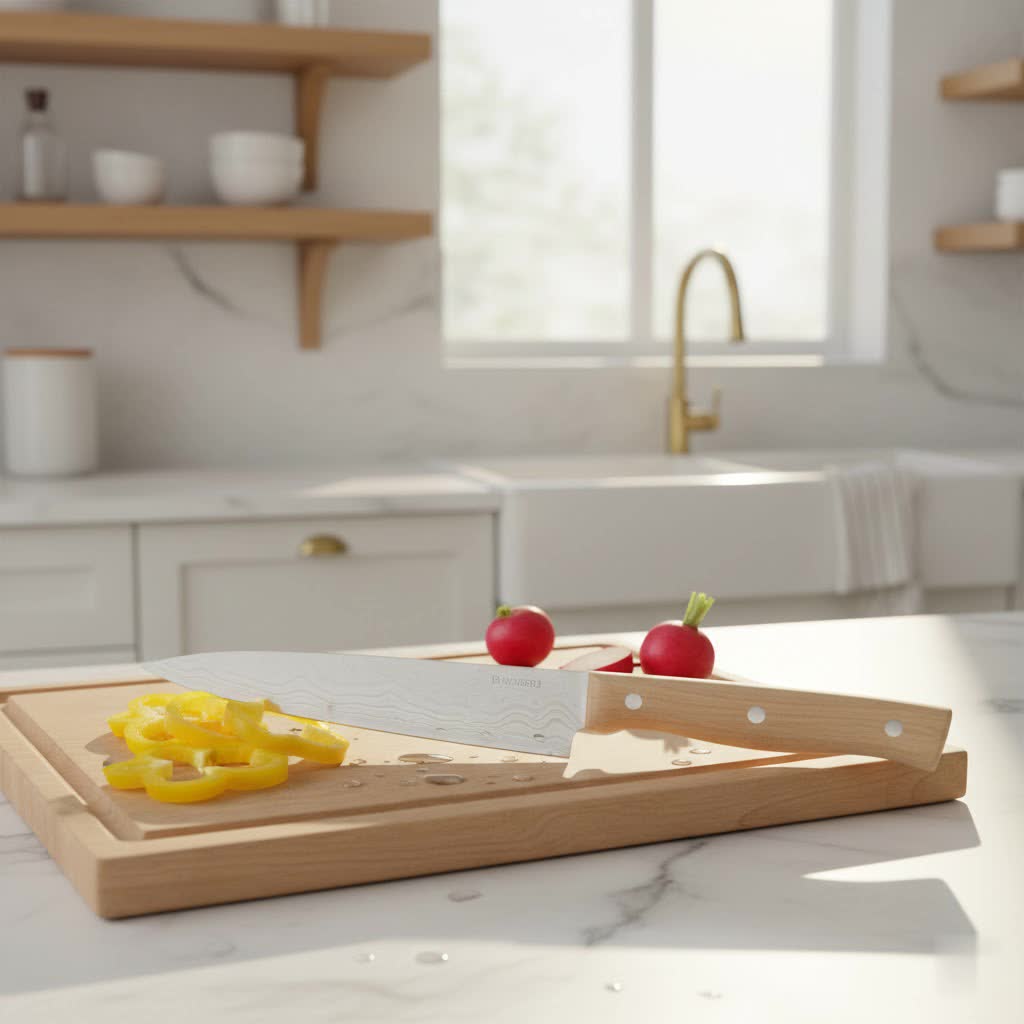
In the bustling world of kitchen tools, where precision meets passion, the right knife can transform your culinary journey. For over a decade, the Mac Knife Professional Series, particularly the MTH-80 Chef’s Knife, has been hailed by many as a benchmark for sharpness and performance. If you’re seeking a blade that offers a truly superior cutting experience, understanding what makes the Mac Professional Series stand out is essential. This comprehensive review delves into the design, performance, maintenance, and overall value of these celebrated knives, helping you decide if they are the perfect fit for your kitchen.
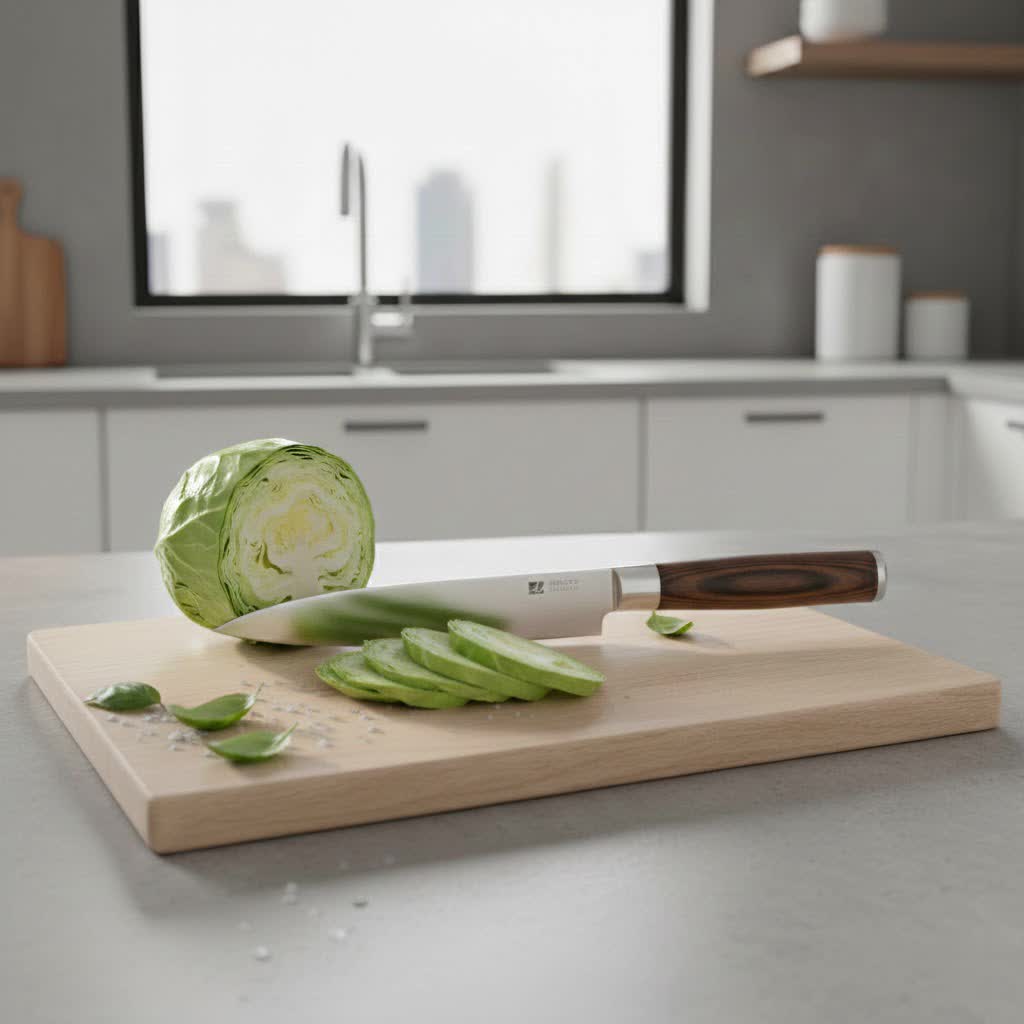
The Heart of the Kitchen: Mac Professional Series Chef’s Knife (MTH-80)
At the core of the Mac Professional Series’ reputation is its exceptional design, exemplified by the MTH-80 Chef’s Knife. This knife is a masterful blend of Japanese craftsmanship and Western functionality, engineered for optimal performance in diverse culinary tasks. Its distinct blade geometry and thoughtful construction contribute significantly to its renowned sharpness and handling.
Blade Geometry and Edge Angle
|
Our Picks for the Best Kitchen knife set in 2026
As an Amazon Associate I earn from qualifying purchases.
|
||
| Num | Product | Action |
|---|---|---|
| 1 | Amazon Basics 14-Piece High Carbon Stainless Steel Kitchen Knife Set with Full Tang Construction, Ergonomic Handles, Sharpener and Pinewood Block, Black |

|
| 2 | Knife Set, Astercook 21 Pieces Knife Sets for Kitchen with Block, Dishwasher Safe Kitchen Knife Set with Built-in Sharpener, German Stainless Steel Black Knife Block Set |
|
| 3 | Astercook Knife Set, 13 Pieces Kitchen Knives Set with Healthy Anti-Rust Coating, Dishwasher Safe, Stainless Steel Chef Knife Sets with 6 Blade Guards, Perfect Holiday Gifts for Kitchen |
|
| 4 | 16 Piece Kitchen Knife Set with Block & Cutting Board, German Stainless Steel Knife Set with Heat-Sealed Over-molded Handles, Dishwasher Safe & Anti-Flaking Non-Stick Coating, Black |
|
| 5 | Ninja K32017 Foodi NeverDull Premium Knife System, 17 Piece Knife Block Set with Built-in Sharpener, German Stainless Steel Knives, Black |
|
| 6 | XYJ Authentic Since 1986, Kitchen Knife Set with Wooden Magnetic Knife Block, Scissors, Honing Steel, Peeler, Gloves, Vegetable Slicer Cooking Bread Butcher Chef Knives |
|
| 7 | HENCKELS Statement 15-Piece Knife Set, Natural Wood Knife Block Set, Razor-Sharp Kitchen Knives, Lightweight, Dishwasher Safe |
|
| 8 | Knife Set, Astercook 15 Pieces Knife Sets for Kitchen with Block, Dishwasher Safe Kitchen Knife Set with Built in Sharpener Block, German Stainless Steel Knife Block Set, Valentine's Gift |
|
| 9 | Cuisinart 15-Piece Knife Set with Block, High Carbon Stainless Steel, Forged Triple Rivet, White, C77WTR-15P |
|
| 10 | ZWILLING Pro RCF 5-pc Magnetic Knife Block Set, Natural |
|
The Mac Professional MTH-80 features a remarkably thin blade, typically around 2.5mm, which tapers from the spine to a razor-sharp edge. This thin profile allows the knife to glide through food with minimal resistance, reducing effort and increasing efficiency. The edge boasts a precise 15-degree double-beveled angle, striking an ideal balance between the extremely acute angles of traditional Japanese knives and the more robust European bevels. This design ensures exceptional sharpness while offering a degree of durability suitable for a professional kitchen environment. Additionally, many MTH-80 models incorporate Granton dimples (hollow-ground indentations) along the blade. These dimples are strategically placed to create air pockets between the blade and the food, which helps to reduce friction and prevent sticky ingredients like potatoes or squash from adhering to the knife during slicing.
Steel Composition and Hardness
The superior sharpness and edge retention of the Mac Professional Series knives are largely attributed to their high-carbon molybdenum-vanadium steel construction. This advanced alloy combines the best attributes of various metals: high carbon content contributes to excellent hardness and edge-holding capabilities, while molybdenum and vanadium enhance durability, corrosion resistance, and overall toughness. Mac knives are typically rated with a Rockwell Hardness (HRC) of 60-61. While some independent tests might show slight variations, this hardness level signifies a blade that can maintain a keen edge for extended periods, reducing the frequency of sharpening.
Ergonomics and Balance
A knife’s effectiveness isn’t just about its blade; how it feels in your hand is equally crucial. Mac Professional knives are meticulously engineered with a perfectly centered balance point. This thoughtful weight distribution minimizes hand fatigue during prolonged use, making them comfortable for chefs and home cooks alike. The handles are crafted from Pakkawood, a composite material known for its density, moisture resistance, and appealing aesthetic. These triple-riveted Pakkawood handles provide a secure, comfortable, and stable grip, whether your hands are wet or dry, offering confidence and control with every cut. The design aims to blend the lightness and precision of Japanese knives with the sturdy, full-tang feel of Western-style knives.
The Mac Advantage: Superior Sharpness in Practice
The phrase “superior sharpness” isn’t just marketing jargon for the Mac Professional Series; it’s a performance characteristic consistently lauded by users and professional reviewers. The experience of cutting with a Mac knife is often described as transformative, setting a new standard for what a kitchen knife can achieve.
Out-of-the-Box Performance
From the moment you unbox a Mac Professional knife, its readiness for precision work is apparent. Many users report the knife effortlessly slicing through paper right out of the packaging, a testament to its factory edge. This initial sharpness translates directly into superior performance in the kitchen. Delicate ingredients like ripe tomatoes yield transparent slices without tearing, and herbs can be minced with surgical precision. This immediate “wow” factor often highlights the significant step up from standard kitchen knives.
Exceptional Edge Retention
Beyond its initial sharpness, the Mac Professional Series excels in maintaining its keen edge over time. The high-carbon molybdenum-vanadium steel is designed to resist dulling, meaning you can enjoy consistent, clean cuts through numerous cooking sessions before requiring maintenance. This robust edge retention is a significant advantage for busy cooks, as it reduces the need for frequent sharpening, allowing you to focus more on your culinary creations.
User Experience in the Kitchen
In practical use, the Mac Professional knife feels less like a tool and more like an extension of your hand. Its lightweight nature, combined with its exceptional sharpness, makes it ideal for a wide range of tasks, from the delicate work of filleting fish to the robust chopping of vegetables. Users often note how much easier and enjoyable everyday prep becomes. For instance, dicing onions can be accomplished with unprecedented fineness, and dense vegetables like carrots yield to the blade with surprising ease, feeling less like cutting and more like gliding. This precision and ease make it a favorite for those who value efficiency and meticulous results in the kitchen.
Mac Professional Series vs. The Competition: A Head-to-Head Look
Comparing the Mac Professional Series to other leading knife brands highlights its unique position in the market, blending characteristics from both Japanese and Western knife traditions.
Japanese vs. German Philosophy
Mac knives are often considered a “hybrid” that bridge the gap between traditional Japanese and German knife philosophies. While many Japanese knives prioritize extreme thinness and sharpness for delicate cuts, and German knives emphasize durability, heft, and a rocking motion, Mac Professional knives combine elements of both. They offer the acute edge angle and precision of Japanese knives but with a slightly more robust feel and a handle style that often appeals to those accustomed to Western ergonomics. This makes them versatile performers, capable of both fine detailed work and more general kitchen tasks.
Sharpness vs. Durability Trade-off
When directly compared to more durable, heavier German knives like those from Wüsthof, the Mac Professional Series generally boasts superior initial sharpness and edge retention. However, this comes with a slight trade-off in brute force durability. The harder, thinner blade of a Mac knife, while incredible for cutting, can be more prone to chipping if used improperly on very hard items like bones, frozen foods, or dense squash, whereas a softer German blade might roll its edge instead. This distinction means that while the Mac excels in cutting performance, it requires a more mindful approach to use and care.
Value Proposition
For over a decade, the Mac Professional MTH-80 has consistently been rated among the best chef’s knives by reputable publications, often being lauded for its incredible factory sharpness and agility. Its strong performance and thoughtful design justify its position as a premium kitchen tool. While some in the enthusiast community may suggest other options in a similar price range, the Mac Professional Series remains a solid, high-performing investment, especially for those stepping up from entry-level knives. Its reputation for reliable performance and superior sharpness continues to make it a compelling choice for both home cooks and professionals.
Beyond the Chef’s Knife: Other Knives in the Mac Professional Series
While the 8-inch Chef’s Knife (MTH-80) often takes center stage, the Mac Professional Series encompasses a range of knives designed to meet diverse culinary needs, each built with the same commitment to sharpness and quality. Common additions to the series include:
- Paring Knives: Typically smaller (around 4-5 inches), these knives are perfect for delicate tasks such as peeling, trimming, and intricate garnishing.
- Utility Knives: Falling between a paring knife and a chef’s knife in size (around 5-6 inches), utility knives are versatile for everyday tasks that require more precision than a chef’s knife but more reach than a paring knife.
- Slicing/Carving Knives: With longer, thinner blades, these are designed for smoothly slicing cooked meats, poultry, and fish, ensuring clean, even cuts.
Each knife in the Professional Series adheres to the core principles of precise blade geometry, high-carbon steel, and ergonomic handles, ensuring a cohesive and high-performing set for any kitchen.
Caring for Your Mac Professional Knife: Maintenance Essentials
To preserve the superior sharpness and longevity of your Mac Professional Series knives, proper care and maintenance are paramount. These are not “set it and forget it” tools, but rather precision instruments that thrive with a little attention.
Washing and Drying
Always handwash your Mac knives immediately after use. Use warm water and a mild detergent, wiping the blade gently with a soft sponge or cloth. It is crucial to thoroughly dry the knife immediately after washing to prevent rust spots, which can occasionally occur on high-carbon steel if moisture is left on the blade. Never put your Mac knife in a dishwasher, as the harsh detergents, high heat, and abrasive action can dull the edge, damage the handle, and lead to corrosion.
Sharpening
Regular sharpening is key to maintaining the razor-sharp edge of your Mac Professional knife. While many knives can be “honed” with a honing rod, Mac knives, with their harder steel and acute edge angle, benefit most from proper sharpening on whetstones. A good starting point is a 1000-grit stone for general sharpening, followed by a finer grit (e.g., 3000-6000) to refine the edge to a mirror polish. Learning to use a whetstone will unlock the full potential of your Mac knife, ensuring it consistently performs at its peak. Avoid electric pull-through sharpeners or aggressive honing rods, which can damage the delicate edge.
Storage
Proper storage protects the blade and ensures safety. Store your Mac knife in a way that prevents its edge from coming into contact with other metallic objects or hard surfaces. Options include a wooden knife block, a magnetic knife strip mounted on a wall, or individual blade guards. This practice prevents nicks and dulling, safeguarding your investment.
Avoiding Damage
While durable, the harder, thinner blade of Mac knives is more susceptible to chipping than softer, thicker European blades if misused. Avoid cutting through bones, frozen foods, or excessively hard items like nuts or very dense squash with your fine-edged chef’s knife. Also, refrain from twisting or prying with the blade. Always use a cutting board made of wood or soft plastic, and never cut on hard surfaces like glass, ceramic, or metal, as this can severely damage the edge.
Potential Drawbacks and Considerations
While the Mac Professional Series is widely celebrated, it’s important to be aware of potential drawbacks to ensure it aligns with your expectations and cooking style.
Brittleness and Chipping Risk
Due to their harder steel and thinner, more acute blade geometry, Mac knives can be more prone to chipping compared to softer German-style knives. This means extra caution is advised when dealing with bones, frozen ingredients, or particularly dense vegetables. A simple slip or impact on a hard surface could result in a small chip rather than a rolled edge, which is typically easier to fix.
Rust Spots
Despite being made from a corrosion-resistant alloy, high-carbon steel can develop minor rust spots if not meticulously cared for. Leaving water on the blade, especially near the edge or the handle rivets, can lead to discoloration. Prompt handwashing and thorough drying after every use are essential preventative measures.
Quality Control and Warranty Concerns
While most experiences are overwhelmingly positive, some isolated reports mention inconsistencies in quality control, with a few users receiving knives that weren’t as sharp as expected or experienced premature cosmetic issues. Additionally, there have been some concerns raised about the responsiveness of customer service and the honoring of the 25-year warranty for instances of chipping or breakage, with some users reporting claims being denied due to “misuse.”
Price Point
Mac Professional Series knives are a premium product, and their price reflects their quality and craftsmanship. For some, the cost might seem prohibitive, especially when compared to more budget-friendly options. While they offer excellent value for their performance, it’s a significant investment that requires commitment to proper care to maximize its lifespan and return.
Conclusion
The Mac Knife Professional Series, with the MTH-80 Chef’s Knife leading the charge, undeniably lives up to its reputation for superior sharpness and exceptional performance. These knives offer a remarkable cutting experience, effortlessly gliding through ingredients and transforming meal preparation into a more precise and enjoyable task. Their thoughtful design, combining high-carbon molybdenum-vanadium steel with ergonomic Pakkawood handles and a balanced feel, makes them a favorite among culinary enthusiasts and professionals alike.
While the Mac Professional Series demands diligent care—handwashing, immediate drying, and proper whetstone sharpening are crucial—the rewards are well worth the effort. Understanding its delicate balance of sharpness and durability, and adhering to simple maintenance routines, will ensure your Mac knife remains a prized tool in your kitchen for years to come. If you’re ready to invest in a knife that consistently delivers surgical precision and an unparalleled cutting experience, the Mac Professional Series is a choice you won’t regret.
Are you prepared to elevate your cooking with the unmatched sharpness of a Mac Professional knife?
Frequently Asked Questions
What makes Mac knives so sharp?
Mac knives achieve their superior sharpness primarily through their high-carbon molybdenum-vanadium steel, which allows for a very hard blade (60-61 HRC), combined with a precise and acute 15-degree double-beveled edge angle. This thin, sharp geometry enables the blade to slice through food with minimal resistance.
How do Mac Professional knives compare to German knives like Wüsthof?
Mac Professional knives generally offer superior initial sharpness and edge retention due to their harder steel and thinner blade geometry. German knives like Wüsthof are typically more durable and heavier, designed for robustness and a rocking chop, but are not as acutely sharp out of the box.
Are Mac Professional knives prone to rust or chipping?
While made from corrosion-resistant steel, Mac knives, particularly the high-carbon Professional series, can develop rust spots if not thoroughly hand-washed and dried immediately after use. Their harder, thinner edges are also more susceptible to chipping if used on very hard items like bones or frozen foods, compared to the edge-rolling tendency of softer German blades.
What is the best way to sharpen a Mac Professional knife?
The best way to sharpen a Mac Professional knife is with whetstones. A combination of a 1000-grit stone for sharpening and a finer 3000-6000 grit stone for refining the edge is recommended. Avoid using electric pull-through sharpeners or aggressive honing rods, as these can damage the blade’s fine edge.
Can I put my Mac Professional knife in the dishwasher?
No, it is strongly advised never to put a Mac Professional knife in the dishwasher. The harsh detergents, high heat, and abrasive movements in a dishwasher can severely dull the blade, damage the Pakkawood handle, and accelerate corrosion, significantly shortening the knife’s lifespan.