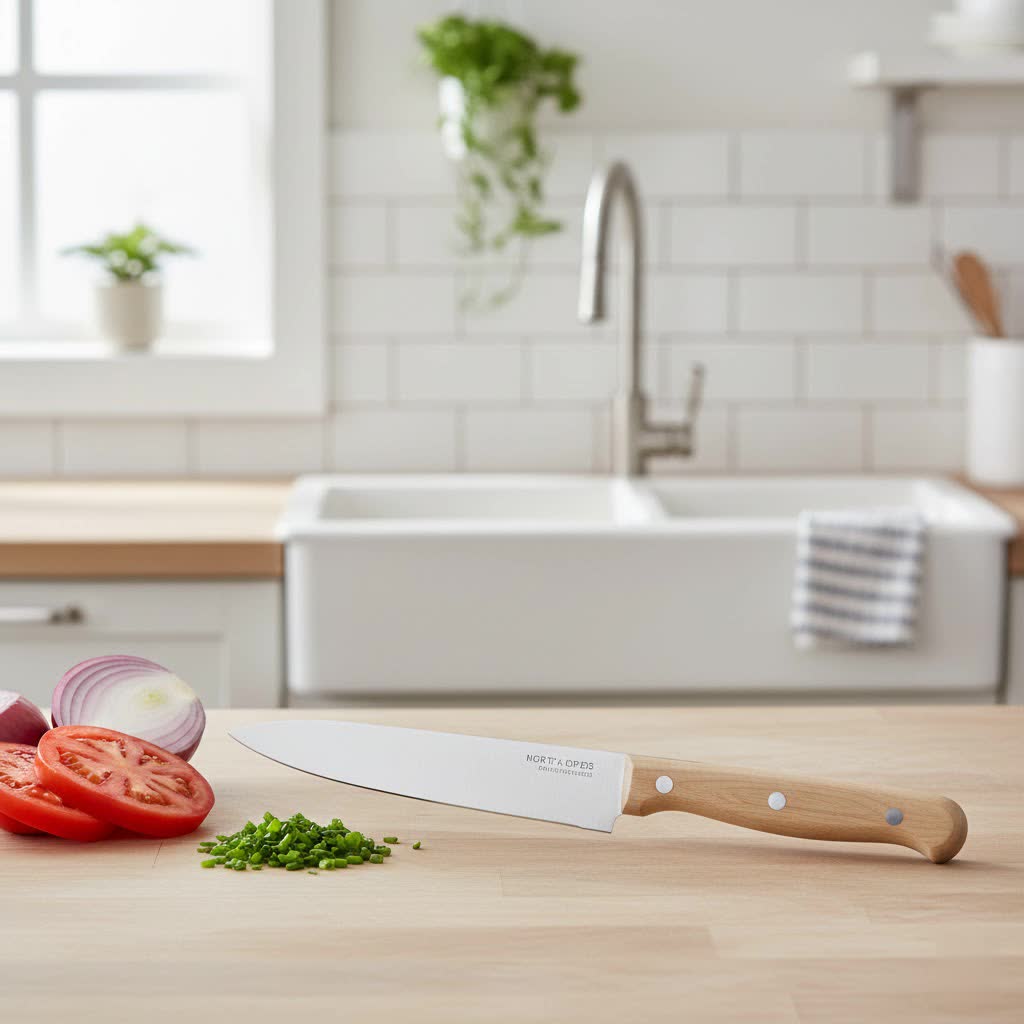
For culinary enthusiasts and home cooks tackling tough cuts, a heavy-duty cleaver is an indispensable tool, transforming challenging butchering tasks into satisfying feats of precision. Beyond its intimidating appearance, the right bone-chopping cleaver is a powerhouse designed for breaking down poultry, separating ribs, and segmenting large bones with efficiency and safety. If you’ve ever struggled with a flimsy knife on a stubborn bone, you understand the necessity of this specialized kitchen workhorse. This guide will walk you through everything you need to know to select, use, and maintain the ultimate heavy-duty cleaver for your kitchen.
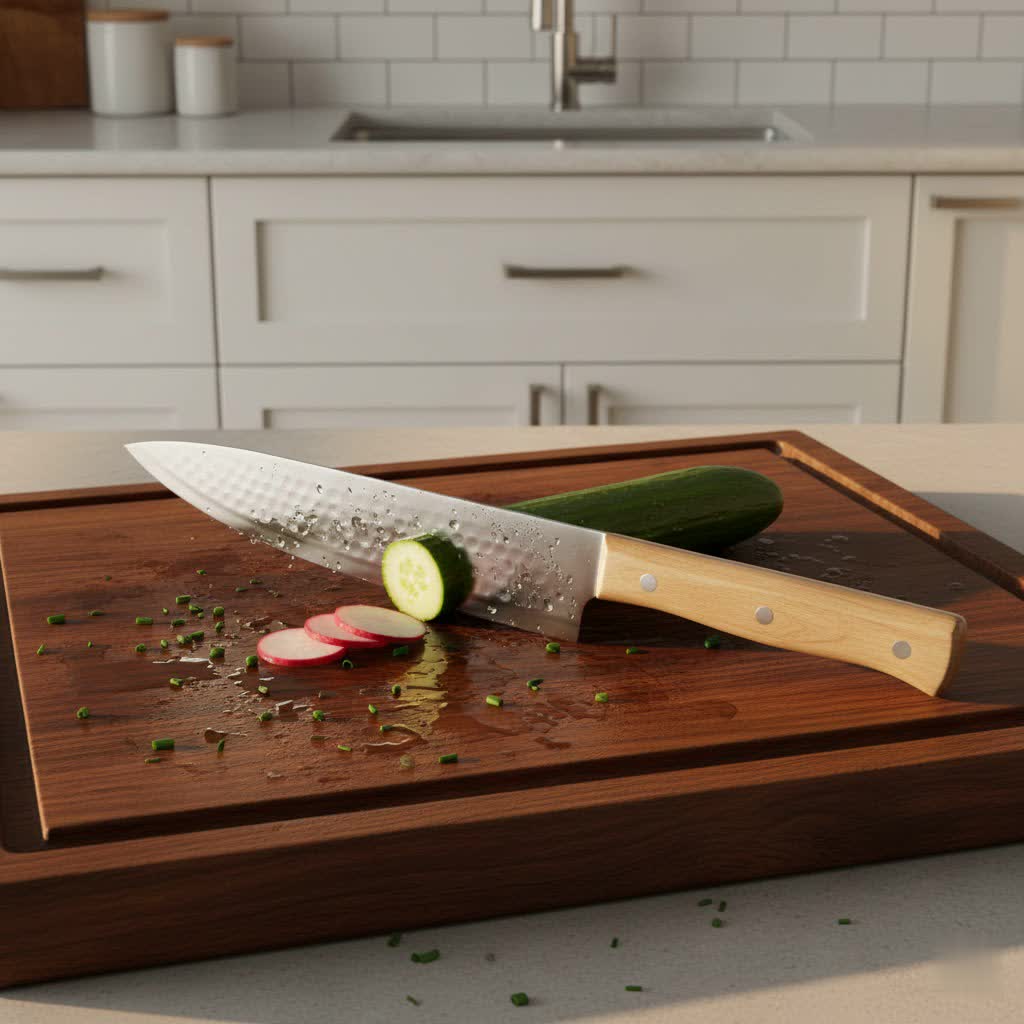
Understanding the Heavy-Duty Cleaver for Bones
Heavy-duty cleavers are purpose-built knives distinct from their lighter counterparts, such as vegetable cleavers. What sets them apart is their robust construction, specifically engineered to withstand the impact required to chop through tough materials like bones, cartilage, and thick cuts of meat. These are not merely large knives; they are precision instruments of force, designed for clean, decisive cuts that prevent blade damage and user fatigue.
Essential Characteristics of a Bone-Chopping Cleaver
Choosing a cleaver for bone chopping requires focusing on specific features that contribute to its power, durability, and safety. A good heavy-duty cleaver will boast a combination of weight, blade thickness, appropriate material, and an ergonomic handle designed for serious work.
- Blade Material: High-carbon stainless steel is often favored for its balance of sharpness, resistance to corrosion, and overall durability, making it ideal for bone-chopping tasks. While pure carbon steel offers superior edge retention and sharpness, it demands diligent maintenance to prevent rust. Damascus steel, though aesthetically pleasing, may be more prone to chipping when used for heavy bone impact.
- Blade Thickness and Weight: A crucial differentiator, heavy-duty cleavers feature a significantly thicker blade, typically ranging from 4 to 7 millimeters. This added thickness provides the heft necessary to generate momentum for effective chopping. Optimal weight usually falls between 1 to 2 pounds (approximately 14 to 30 ounces), striking a balance between delivering force and preventing excessive user fatigue.
- Edge Geometry and Angle: Unlike slicing knives, a bone cleaver requires a robust, strong, and relatively straight edge to withstand impact without chipping or bending. The sharpening angle is typically wider, around 17 to 20 degrees per side, creating a durable “V” edge or flat grind designed for brute force rather than razor-thin precision. A sharper angle, while good for slicing, would be too fragile for bones.
- Full Tang Construction: For ultimate durability and balance, a full tang is essential. This means the blade’s metal extends through the entire length of the handle, providing stability and ensuring the handle remains securely attached, even under heavy use.
- Ergonomic Handle: A comfortable, slip-resistant handle made from durable materials like pakkawood, micarta, or high-quality plastics is vital. It should fit securely in your hand, offering a firm grip even when wet or greasy, and be well-balanced to minimize fatigue during extended chopping sessions.
|
Our Picks for the Best Kitchen knife set in 2026
As an Amazon Associate I earn from qualifying purchases.
|
||
| Num | Product | Action |
|---|---|---|
| 1 | ZWILLING Pro RCF 5-pc Magnetic Knife Block Set, Natural |

|
| 2 | Knife Set, Astercook 21 Pieces Knife Sets for Kitchen with Block, Dishwasher Safe Kitchen Knife Set with Built-in Sharpener, German Stainless Steel Black Knife Block Set |
|
| 3 | Cuisinart 15-Piece Knife Set with Block, High Carbon Stainless Steel, Forged Triple Rivet, White, C77WTR-15P |
|
| 4 | 16 Piece Kitchen Knife Set with Block & Cutting Board, German Stainless Steel Knife Set with Heat-Sealed Over-molded Handles, Dishwasher Safe & Anti-Flaking Non-Stick Coating, Black |
|
| 5 | Knife Set, Astercook 15 Pieces Knife Sets for Kitchen with Block, Dishwasher Safe Kitchen Knife Set with Built in Sharpener Block, German Stainless Steel Knife Block Set, Valentine's Gift |
|
| 6 | Astercook Knife Set, 13 Pieces Kitchen Knives Set with Healthy Anti-Rust Coating, Dishwasher Safe, Stainless Steel Chef Knife Sets with 6 Blade Guards, Perfect Holiday Gifts for Kitchen |
|
| 7 | XYJ Authentic Since 1986, Kitchen Knife Set with Wooden Magnetic Knife Block, Scissors, Honing Steel, Peeler, Gloves, Vegetable Slicer Cooking Bread Butcher Chef Knives |
|
| 8 | Ninja K32017 Foodi NeverDull Premium Knife System, 17 Piece Knife Block Set with Built-in Sharpener, German Stainless Steel Knives, Black |
|
| 9 | HENCKELS Statement 15-Piece Knife Set, Natural Wood Knife Block Set, Razor-Sharp Kitchen Knives, Lightweight, Dishwasher Safe |
|
| 10 | Amazon Basics 14-Piece High Carbon Stainless Steel Kitchen Knife Set with Full Tang Construction, Ergonomic Handles, Sharpener and Pinewood Block, Black |
|
Key Types of Heavy-Duty Cleavers
While the term “cleaver” might conjure a single image, several types are designed for various heavy-duty tasks. Understanding these differences can help you select the most appropriate tool.
- Traditional Western Meat Cleaver: This is the iconic, rectangular-bladed cleaver, known for its sheer weight and thick spine. It is explicitly designed for chopping through bones and tough joints, making it a staple in butcher shops and for breaking down large animal carcasses. Its heavy blade provides maximum impact.
- Chinese Bone Cleaver: While Chinese cleavers often refer to versatile vegetable cleavers (Cai Dao), there are also heavier versions specifically for bone chopping. These maintain the broad, rectangular shape but feature a much thicker, heavier blade and robust edge, making them capable of handling substantial bones while still offering some versatility for other tasks.
- Japanese Chuka Bocho (Heavy-Duty Variant): Similar in form to the Chinese cleaver, a heavy-duty Chuka Bocho is designed for robust kitchen tasks, including light bone chopping, though typically not as heavy as a Western meat cleaver. It often features a slightly thinner blade than a dedicated Western bone cleaver but is still considerably sturdier than a standard chef’s knife.
- Specialty Cleavers: Some brands offer unique designs or sizes, such as “Obliterator” style cleavers, which are exceptionally heavy and thick, pushing the boundaries of what a cleaver can tackle. These are for the most demanding bone-chopping tasks.
Choosing Your Perfect Bone-Chopping Cleaver
Selecting the right heavy-duty cleaver is a personal journey, influenced by your cooking habits, budget, and physical comfort. Consider these factors to make an informed decision:
- Assess Your Needs: How often will you be chopping bones? What types of bones (chicken, pork ribs, beef shank) will you typically process? For occasional light bone work, a sturdy, mid-weight cleaver might suffice. For frequent, heavy butchery, invest in a more substantial tool.
- Set a Realistic Budget: High-quality cleavers are an investment. While budget-friendly options exist, investing in a reputable brand often translates to better materials, craftsmanship, and longevity. Expect to find good heavy-duty cleavers in a range of price points.
- Consider Blade Length and Weight: For most home cooks, a blade length between 7 to 8 inches strikes an excellent balance of power and maneuverability. Cleavers weighing around 1 pound are often manageable for general use, while heavier models (up to 2 lbs) offer more chopping power with less effort but may require more control.
- Examine the Handle: Prioritize comfort and grip. A well-designed handle reduces strain and prevents accidents. If possible, hold the cleaver to ensure it feels balanced and comfortable in your hand. Look for handles that provide a secure, non-slip grip, even when wet.
- Reputable Brands: Brands like Wüsthof, Victorinox, Dexter-Russell, and Dalstrong are often cited for their quality heavy-duty cleavers. Researching models from these manufacturers can be a good starting point.
- Check the Edge and Balance: While you might not test sharpness in a store, you can assess the overall balance of the knife. It should feel stable, not overly blade-heavy or handle-heavy, allowing for controlled, forceful downward strokes.
Essential Maintenance for Your Heavy-Duty Cleaver
A heavy-duty cleaver is built to last, but proper care is crucial to maintain its performance and extend its lifespan.
- Immediate Cleaning: Always wash your cleaver by hand immediately after use with warm water and mild dish soap. Thoroughly dry it with a clean towel to prevent rust, especially if it’s high-carbon steel. Avoid dishwashers, as harsh detergents and high heat can damage the blade and handle.
- Safe Storage: Store your cleaver in a dry environment. Options include a dedicated knife block, a magnetic strip, or a blade guard/sheath to protect the edge and prevent accidental injury. Do not store it loose in a drawer where it can dull or damage other utensils.
- Regular Honing: Between full sharpenings, use a honing steel to realign the blade’s edge. A few gentle passes on each side before or after use will help maintain its keenness. Honing does not remove metal but straightens the microscopic edge that can bend with use.
- Sharpening: Over time, even with honing, the blade will lose its edge. Use a sharpening stone (whetstone) to restore the edge. For heavy-duty cleavers, focus on maintaining a consistent, wider angle (around 20 degrees). If you’re unsure, professional sharpening is a worthwhile investment.
- Appropriate Cutting Surfaces: Always use your cleaver on a wooden or high-quality plastic cutting board. Avoid hard surfaces like glass, stone, or metal, which can rapidly dull or chip the blade.
- Avoid Frozen Foods: While a heavy-duty cleaver is formidable, avoid using it to chop through frozen meat. The extreme hardness can chip the blade, posing a safety risk and requiring extensive repairs.
“A heavy-duty cleaver isn’t just about raw power; it’s about channeling that power efficiently and safely. The true mark of a quality cleaver lies in its ability to consistently deliver clean cuts through tough bones, without faltering or compromising the user’s control.”
Conclusion
A heavy-duty cleaver is a formidable ally in any kitchen, empowering you to tackle bone-chopping and butchery tasks with confidence and ease. By understanding the critical features of blade material, thickness, weight, and handle design, you can select a tool that not only performs exceptionally but also feels like a natural extension of your hand. Remember, a cleaver is an investment in both efficiency and culinary capability, and with proper care, it will serve you faithfully for years. So, are you ready to conquer those challenging cuts and elevate your kitchen prowess?
Frequently Asked Questions
What makes a cleaver “heavy-duty” for chopping bones?
A heavy-duty cleaver is distinguished by its thicker, heavier blade (typically 4-7mm thick and weighing 1-2 lbs), a robust edge angle (around 17-20 degrees), and full tang construction. These features combine to provide the momentum and durability needed to chop cleanly through bones without damaging the blade.
Can I use a standard chef’s knife to chop bones?
No, using a standard chef’s knife for chopping bones is highly unadvisable. Chef’s knives have thinner, more acute edges designed for slicing and dicing, not for impact. Attempting to chop bones with one can severely damage the blade by chipping or bending it, and it also poses a significant safety risk.
How often should I sharpen my heavy-duty cleaver?
The frequency of sharpening depends on your usage. For regular home use, honing with a steel before or after each use will maintain the edge. A full sharpening on a whetstone might be needed every few months or when you notice the edge losing its effectiveness. Professional sharpening is recommended annually.
What’s the difference between a meat cleaver and a Chinese cleaver?
A traditional Western meat cleaver is typically very heavy and thick, designed almost exclusively for chopping bones and tough meat. A Chinese cleaver (Cai Dao) usually has a thinner blade and is a versatile all-purpose knife for slicing, dicing, and mincing vegetables and boneless meats, though heavier versions exist for light bone work.
What kind of cutting board is best for a heavy-duty cleaver?
Always use a wooden or high-density plastic cutting board when working with a heavy-duty cleaver. These materials absorb the impact of the chop, protecting your cleaver’s edge from damage and extending its lifespan. Avoid glass, stone, or metal boards, as they are too hard and can dull or chip the blade.