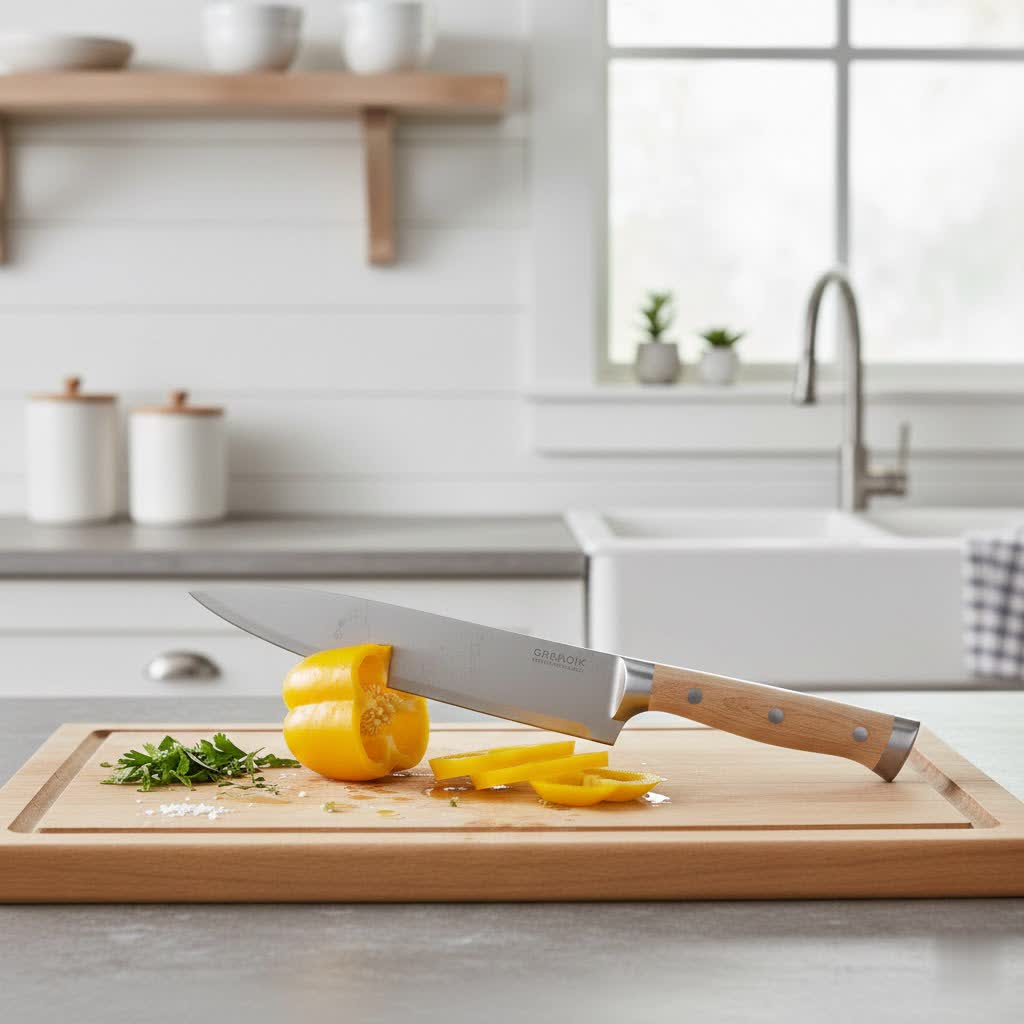
For anyone serious about culinary arts, hunting, or simply breaking down larger cuts of meat at home, a dedicated butcher knife set is an indispensable investment. Beyond the everyday chef’s knife, these specialized tools are engineered for precision, efficiency, and safety when tackling everything from a whole chicken to a venison carcass. Choosing the best butcher knife sets means understanding the unique role each blade plays and the qualities that define a superior cutting instrument. This comprehensive guide will navigate you through the essential knives, ideal materials, crucial selection tips, and maintenance practices to ensure your butchering tasks are not just manageable, but truly enjoyable.
Understanding the Essential Knives in a Butcher Knife Set
|
Our Picks for the Best Kitchen knife set in 2026
As an Amazon Associate I earn from qualifying purchases.
|
||
| Num | Product | Action |
|---|---|---|
| 1 | Knife Set, Astercook 15 Pieces Knife Sets for Kitchen with Block, Dishwasher Safe Kitchen Knife Set with Built in Sharpener Block, German Stainless Steel Knife Block Set, Valentine's Gift |

|
| 2 | XYJ Authentic Since 1986, Kitchen Knife Set with Wooden Magnetic Knife Block, Scissors, Honing Steel, Peeler, Gloves, Vegetable Slicer Cooking Bread Butcher Chef Knives |
|
| 3 | Cuisinart 15-Piece Knife Set with Block, High Carbon Stainless Steel, Forged Triple Rivet, White, C77WTR-15P |
|
| 4 | Astercook Knife Set, 13 Pieces Kitchen Knives Set with Healthy Anti-Rust Coating, Dishwasher Safe, Stainless Steel Chef Knife Sets with 6 Blade Guards, Perfect Holiday Gifts for Kitchen |
|
| 5 | Amazon Basics 14-Piece High Carbon Stainless Steel Kitchen Knife Set with Full Tang Construction, Ergonomic Handles, Sharpener and Pinewood Block, Black |
|
| 6 | 16 Piece Kitchen Knife Set with Block & Cutting Board, German Stainless Steel Knife Set with Heat-Sealed Over-molded Handles, Dishwasher Safe & Anti-Flaking Non-Stick Coating, Black |
|
| 7 | Ninja K32017 Foodi NeverDull Premium Knife System, 17 Piece Knife Block Set with Built-in Sharpener, German Stainless Steel Knives, Black |
|
| 8 | HENCKELS Statement 15-Piece Knife Set, Natural Wood Knife Block Set, Razor-Sharp Kitchen Knives, Lightweight, Dishwasher Safe |
|
| 9 | ZWILLING Pro RCF 5-pc Magnetic Knife Block Set, Natural |
|
| 10 | Knife Set, Astercook 21 Pieces Knife Sets for Kitchen with Block, Dishwasher Safe Kitchen Knife Set with Built-in Sharpener, German Stainless Steel Black Knife Block Set |
|
A well-rounded butcher knife set comprises several specialized blades, each designed for a particular stage of meat processing. Knowing their functions is key to both efficient work and safer handling.
Breaking Knife (Cimeter Knife)
Often the largest knife in the set, the breaking knife, or cimeter, features a long, curved blade. Its primary purpose is to break down large primal cuts of meat into smaller, more manageable sections. The curvature allows for long, sweeping cuts, making it ideal for separating large muscles and cutting through connective tissue with minimal effort. It’s the workhorse for initial breakdown.
Boning Knife
A boning knife is distinguished by its narrow blade, which can be either flexible or stiff, and a pointed tip. Its design allows for precise maneuverability around bones and joints, cleanly separating meat from bone, cartilage, and sinew. Flexible boning knives are excellent for delicate tasks on poultry or fish, while stiffer versions are better suited for larger cuts of beef or pork.
Slicing and Carving Knife
These knives typically have long, thin blades with a pointed or rounded tip. They are designed to create smooth, even slices of cooked roasts, briskets, or raw meat. The slender blade reduces friction, preventing meat from sticking and ensuring clean cuts, which is crucial for presentation and consistent portions.
Cleaver
Heavy and robust, the cleaver features a broad, rectangular blade. Unlike other knives that slice, a cleaver is designed for hacking through tough bones, cartilage, and thick cuts of meat with brute force. It’s essential for tasks where sheer power is required, like portioning ribs or separating large sections of bone-in meat.
Skinning Knife
For hunters and those who process game, a skinning knife is invaluable. It typically has a shorter, often upswept or curved blade, designed to separate hide from meat without piercing the carcass or damaging the flesh. Its ergonomic handle usually provides a secure grip, even when wet or slippery.
Utility Knife
While not exclusively a butchering knife, a utility knife is a versatile mid-sized blade useful for smaller tasks within the butchering process, such as trimming fat, slicing smaller portions, or preparing vegetables alongside meat. It bridges the gap between a paring knife and a chef’s knife.
Sharpening Steel (Hone)
Crucial for maintaining a razor-sharp edge, a sharpening steel (or honing steel) doesn’t remove material from the blade but rather realigns the microscopic edge that gets bent or rolled during use. Regular honing extends the life of your edge between true sharpening sessions.
Whetstone
For serious sharpening, a whetstone (or sharpening stone) is essential. These abrasive stones, used with water or oil, grind away small amounts of metal to create a new, truly sharp edge when honing alone is no longer sufficient.
Decoding Butcher Knife Materials: Pros and Cons
The material of a butcher knife’s blade significantly impacts its performance, durability, and maintenance requirements. Understanding these differences will help you choose a set that aligns with your butchering style and care commitment.
High-Carbon Stainless Steel
This is perhaps the most common and versatile material for butcher knives. It combines the benefits of stainless steel’s corrosion resistance with carbon steel’s ability to hold a sharp edge.
- Pros: Excellent sharpness, good edge retention, strong corrosion resistance, relatively easy to maintain.
- Cons: Can still stain or pit if not properly cared for, though less so than pure carbon steel.
German Steel
Often found in renowned European knife brands, German steel is known for its durability, robustness, and balance. It’s typically softer than Japanese steel, making it less prone to chipping but requiring more frequent honing.
- Pros: Exceptionally durable, tough, good resistance to chipping, relatively easy to sharpen and maintain.
- Cons: May not achieve the razor-thin edges of harder steels, requires more frequent honing to maintain peak sharpness.
Japanese High-Carbon Steel
Japanese steels, such as VG-10, SG2, or SLD, are celebrated for their exceptional hardness and ability to achieve extremely sharp, fine edges. They are often used in thinner blades for precise cuts.
- Pros: Unparalleled sharpness, superior edge retention, allows for incredibly precise cutting.
- Cons: Can be more brittle and prone to chipping if misused, often requires specialized sharpening techniques, generally higher cost.
Carbon Steel
Traditional carbon steel blades can take an incredibly sharp edge and are relatively easy to resharpen. However, they require meticulous care to prevent rust and discoloration.
- Pros: Achieves a razor-sharp edge, very easy to sharpen, holds an edge well.
- Cons: Highly reactive to moisture and acidic foods, prone to rust and discoloration (patina), requires immediate cleaning and drying after each use.
Damascus Steel
Characterized by its distinctive wavy pattern, Damascus steel is created by layering different types of steel. While aesthetically beautiful, its performance primarily depends on the core steel used. Often, a high-carbon steel core provides the cutting edge, surrounded by softer, more flexible layers.
- Pros: Striking aesthetic appeal, often features a high-performance cutting core, good overall durability.
- Cons: Generally expensive, the pattern is primarily decorative, requires similar care to its core material.
Tips for Choosing the Right Butcher Knife Set
Selecting the perfect butcher knife set involves more than just picking a reputable brand. It’s about aligning the tools with your specific needs, comfort, and budget.
Assess Your Needs
Before diving into options, consider how you’ll use the set. Are you a home cook who occasionally breaks down a roast, a hunter processing game annually, or a professional working with large volumes of meat daily? Your frequency of use and the types of meat you process will dictate the necessary blade types, materials, and overall durability. For example, a hunter might prioritize a robust skinning knife and a breaking knife, while a home cook might lean towards a versatile set with excellent slicing and boning capabilities.
Set Composition
Look at the specific knives included in a set. Does it provide the essential tools for your intended tasks? Some sets are geared towards general kitchen use, while others are purpose-built for butchering. Ensure the set isn’t padded with unnecessary knives, but rather focuses on quality and utility. A good basic set for home butchering might include a breaking knife, a boning knife, and a sharpening steel.
Budget Considerations
Butcher knife sets range widely in price, from entry-level options under $100 to professional-grade collections costing hundreds or even thousands. Determine a realistic budget, remembering that investing in quality often translates to better performance, greater durability, and enhanced safety over time. Prioritizing a few high-quality essential knives over a large set of mediocre ones is often a wiser choice.
Comfort and Balance
A knife should feel like an extension of your hand. Ergonomics are paramount, especially during extended use. Pay attention to the handle material (e.g., Fibrox, Pakkawood, synthetic polymers), its shape, and how it feels in your grip. It should be slip-resistant, even when wet or greasy, and provide a comfortable, secure hold. The balance point of the knife also matters; a well-balanced knife reduces fatigue and improves control.
Blade Sharpness and Edge Retention
A sharp knife is a safe knife. Evaluate the initial sharpness of the blades and their ability to hold an edge through significant use. High-carbon steels generally offer superior edge retention. While any knife will dull over time, one that holds its edge longer reduces the frequency of sharpening, saving you time and effort.
Durability and Construction
Look for indicators of quality construction, such as a full tang (where the blade metal extends through the entire handle for strength and balance), sturdy rivets if applicable, and robust blade thickness where needed. A durable set will withstand the rigors of butchering and last for many years.
Storage Solutions
Consider how the knives will be stored. Many sets come with a knife block, a knife roll, or a carrying case. A knife roll is particularly useful for portability, especially for hunters or those who process meat in different locations. Proper storage protects the blades from damage and ensures safety when not in use.
Maintaining Your Butcher Knife Set for Longevity
Proper care is critical to preserving the performance and lifespan of your butcher knife set. Neglecting maintenance can lead to dull blades, corrosion, and even unsafe tools.
Cleaning and Drying
Always hand wash your butcher knives immediately after use with warm, soapy water. Avoid putting them in the dishwasher, as harsh detergents, high heat, and jostling against other items can damage blades, handles, and edges. Dishwashers can also strip the protective patina from carbon steel knives, leading to rust. After washing, thoroughly dry each knife with a clean towel. Residual moisture is the enemy of any blade, especially high-carbon and carbon steel.
Proper Storage
Store your knives safely to protect their edges and prevent accidents. Options include:
- Knife Blocks: A common and convenient option for kitchen counters.
- Magnetic Strips: Space-saving and allows for easy access and display.
- Knife Rolls/Cases: Essential for portability and protecting individual blades during transport.
- In-drawer Organizers: Keep knives separate and protected within a drawer.
Never store knives loosely in a drawer where they can bump against other utensils, dulling or chipping their edges.
Sharpening and Honing
Regular maintenance of the blade’s edge is crucial.
- Honing: Use a sharpening steel (or honing rod) frequently – ideally before or after each use – to realign the blade’s edge. This doesn’t remove much material but keeps the edge straight and performing optimally.
- Sharpening: Periodically, depending on use, your knives will need true sharpening with a whetstone or another sharpening system. This process removes a small amount of metal to create a new, keen edge. Learn the correct angle for your knives, usually between 15-20 degrees per side for butcher knives.
Appropriate Cutting Surfaces
Always use cutting boards made of wood or high-density plastic. Avoid surfaces like glass, stone, or metal, as these are harder than your knife blades and will rapidly dull or even chip the edge.
“A quality butcher knife set isn’t just a collection of tools; it’s an investment in efficiency, safety, and the joy of working with meat. The right blade makes all the difference.” – Chef John Doe, Master Butcher and Culinary Instructor
Top Butcher Knife Set Brands Recommended by Experts
Many brands offer excellent butcher knife sets, but a few consistently rise to the top for their quality, performance, and durability.
- Victorinox: Widely regarded as a top choice for professionals and home users alike, Victorinox knives, especially their Fibrox Pro series, offer exceptional value. They feature sharp, high-carbon stainless steel blades and comfortable, slip-resistant Fibrox handles. They are known for their practical design and robust performance.
- Dexter Russell: A favorite among professional butchers in North America, Dexter Russell knives are renowned for their workhorse durability, sharp edges, and comfortable handles designed for long periods of use. They offer a comprehensive range of butcher-specific knives.
- Wüsthof: A premium German brand, Wüsthof produces forged knives from high-carbon stainless steel that are incredibly sharp, well-balanced, and built to last a lifetime. Their butcher knives offer precision and robustness for serious meat processing.
- J.A. Henckels / Zwilling: Another esteemed German manufacturer, Henckels offers a wide range of knife sets, many of which include excellent butcher and carving knives. They are known for their precise German engineering, sharpness, and ergonomic designs.
- Global: Hailing from Japan, Global knives feature unique all-stainless steel construction and a distinct ergonomic handle. Their blades are made from proprietary CROMOVA 18 stainless steel, known for its hardness and excellent edge retention, making them incredibly sharp for precise cutting.
- Shun: A high-end Japanese brand, Shun knives combine traditional Japanese blade-making techniques with modern materials. Often featuring beautiful Damascus patterns and exceptionally hard, sharp edges, they are favored by those who appreciate both performance and artistry.
- Cutluxe, Hoshanho, Dragon Riot: These brands, frequently appearing in recent reviews, offer robust high-carbon or German steel options often packaged in convenient knife rolls. They provide strong performance and good value, particularly for home use and outdoor cooking.
Conclusion
Choosing the best butcher knife set for processing meat is a pivotal decision for anyone committed to mastering meat preparation. By understanding the specific roles of essential knives, the properties of different blade materials, and applying diligent care, you empower yourself with tools that elevate your skill and efficiency. Investing in a high-quality set from reputable brands ensures you have sharp, durable, and comfortable instruments for every cut, transforming a challenging task into a rewarding experience. Take the time to select a set that truly meets your needs, and you’ll find that precise, clean cuts are no longer a chore but a testament to well-chosen equipment and practiced technique. What will be the first impressive cut you master with your newly acquired butcher knife set?
Frequently Asked Questions
What’s the difference between a breaking knife and a chef’s knife?
A breaking knife, or cimeter, has a longer, more pronounced curved blade specifically designed for breaking down large cuts of raw meat with long, sweeping motions. A chef’s knife is a general-purpose kitchen knife with a straighter edge and a gentle curve, suitable for a wider range of tasks including chopping vegetables, mincing herbs, and slicing smaller pieces of meat.
How often should I sharpen my butcher knives?
Honing your knives on a sharpening steel should be done frequently, ideally before or after each significant use, to realign the edge. True sharpening with a whetstone or other system is needed less often, perhaps every few months for regular home use, or more frequently for professional butchers, depending on the blade material and usage intensity.
Can I put butcher knives in the dishwasher?
No, it is strongly recommended to hand wash butcher knives. Dishwashers can expose blades to harsh detergents, extreme temperatures, and potential jostling against other items, which can dull the edge, damage the handle material, and promote rust or corrosion on the blade, especially on high-carbon and carbon steel knives.
What’s the best material for a butcher knife handle?
The best handle material provides a comfortable, secure, and slip-resistant grip, even when wet or greasy. Popular choices include Fibrox (a textured synthetic material from Victorinox), Pakkawood (a resin-infused wood composite), and other durable synthetic polymers. These materials offer longevity, hygiene, and excellent control.
Is a full tang knife important for butchering?
Yes, a full tang is highly important for butcher knives. It means the blade’s metal extends through the entire length of the handle, providing superior strength, balance, and durability. This construction prevents the blade from separating from the handle under heavy use and contributes to a more controlled and safer cutting experience.