For any serious cook, a knife is an extension of their hand, a crucial tool that defines precision and efficiency in the kitchen. But have you ever paused to consider the subtle yet significant design elements that influence a knife’s performance? Among these, the presence or absence of a bolster is a pivotal distinction that can dramatically impact how a knife feels, handles, and even how easily it can be maintained. This article delves into the intricate comparison between bolstered and unbolstered knife designs, helping you understand their unique characteristics, advantages, and disadvantages, so you can make an informed choice that perfectly complements your culinary style.
Understanding the Knife Bolster
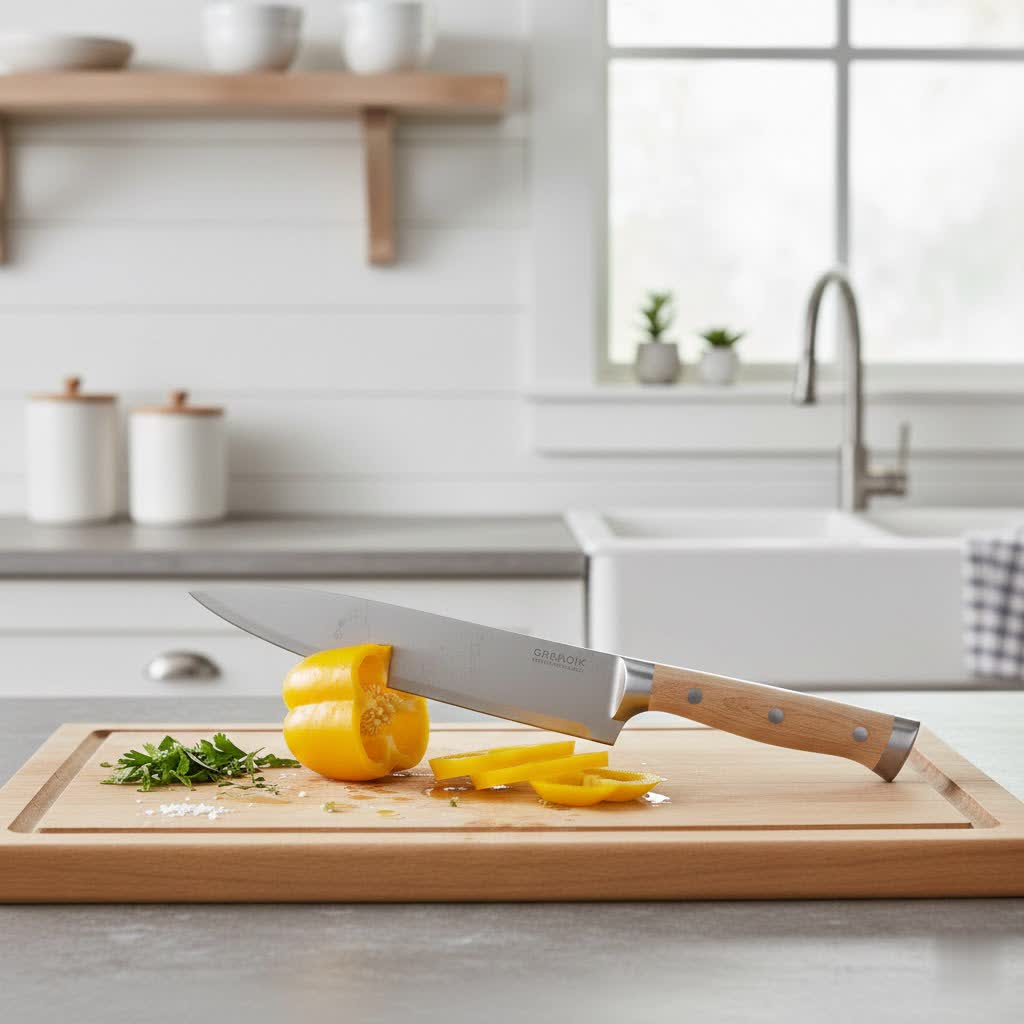
At its core, a bolster is a thick piece of metal located at the junction where the blade meets the handle. Traditionally forged as an integral part of the blade in Western-style knives, its primary purpose is multifaceted. It acts as a counterweight, contributing to the knife’s overall balance. Furthermore, it serves as a finger guard, offering a natural stop that enhances grip security and protects your hand from slipping onto the sharp edge during vigorous cutting tasks. While full bolsters are common in many classic European knives, modern designs, and especially Japanese knives, often opt for a different approach.
Bolstered Knives: Advantages and Disadvantages
Bolstered knives have been a staple in kitchens worldwide for good reason, offering a distinct set of benefits alongside a few notable drawbacks.
The Upsides of Bolstered Designs
|
Our Picks for the Best Kitchen knife set in 2026
As an Amazon Associate I earn from qualifying purchases.
|
||
| Num | Product | Action |
|---|---|---|
| 1 | Cuisinart 15-Piece Knife Set with Block, High Carbon Stainless Steel, Forged Triple Rivet, White, C77WTR-15P |

|
| 2 | Knife Set, Astercook 21 Pieces Knife Sets for Kitchen with Block, Dishwasher Safe Kitchen Knife Set with Built-in Sharpener, German Stainless Steel Black Knife Block Set |
|
| 3 | Amazon Basics 14-Piece High Carbon Stainless Steel Kitchen Knife Set with Full Tang Construction, Ergonomic Handles, Sharpener and Pinewood Block, Black |
|
| 4 | 16 Piece Kitchen Knife Set with Block & Cutting Board, German Stainless Steel Knife Set with Heat-Sealed Over-molded Handles, Dishwasher Safe & Anti-Flaking Non-Stick Coating, Black |
|
| 5 | XYJ Authentic Since 1986, Kitchen Knife Set with Wooden Magnetic Knife Block, Scissors, Honing Steel, Peeler, Gloves, Vegetable Slicer Cooking Bread Butcher Chef Knives |
|
| 6 | Knife Set, Astercook 15 Pieces Knife Sets for Kitchen with Block, Dishwasher Safe Kitchen Knife Set with Built in Sharpener Block, German Stainless Steel Knife Block Set, Valentine's Gift |
|
| 7 | ZWILLING Pro RCF 5-pc Magnetic Knife Block Set, Natural |
|
| 8 | HENCKELS Statement 15-Piece Knife Set, Natural Wood Knife Block Set, Razor-Sharp Kitchen Knives, Lightweight, Dishwasher Safe |
|
| 9 | Ninja K32017 Foodi NeverDull Premium Knife System, 17 Piece Knife Block Set with Built-in Sharpener, German Stainless Steel Knives, Black |
|
| 10 | Astercook Knife Set, 13 Pieces Kitchen Knives Set with Healthy Anti-Rust Coating, Dishwasher Safe, Stainless Steel Chef Knife Sets with 6 Blade Guards, Perfect Holiday Gifts for Kitchen |
|
Knives featuring a full bolster are often praised for their enhanced safety and robust feel. The thick metal acts as a physical barrier, providing superior hand protection by preventing your fingers from sliding forward onto the blade, a crucial feature when dealing with slippery ingredients or performing heavy-duty chopping. This added weight at the heel of the blade also contributes to a feeling of substantial balance and control in hand, making the knife feel more stable during demanding prep work. Many users find the bolster creates a comfortable and secure grip, allowing for precise hand placement and reducing fatigue during prolonged use.
The Challenges of Bolstered Knives
Despite their advantages, bolstered knives present certain challenges, particularly concerning maintenance and full blade utility. The most frequently cited issue is sharpening. The bolster’s presence can make it difficult to sharpen the entire length of the blade, especially the heel portion closest to the handle. Over time, this can lead to a slight curve or “belly” in the blade, where the heel remains unsharpened, hindering its cutting performance. This also means that as the blade is sharpened and material is removed, the bolster itself might need to be ground down to maintain a consistent cutting edge geometry. Additionally, the bolster adds weight to the knife, which some users might find cumbersome, especially for more delicate tasks requiring agility and lighter touch. This extra weight can also limit the usable surface of the blade, as the bolster might obstruct cutting fully down to the board.
No Bolster (or Partial Bolster) Knives: Advantages and Disadvantages
In contrast to their bolstered counterparts, knives without a full bolster, or those with a partial bolster, emphasize different performance characteristics, appealing to chefs who prioritize agility and ease of maintenance.
The Benefits of Bolster-Free Designs
Knives designed without a full bolster, often seen in Japanese cutlery or modern Western designs, excel in sharpening ease and full blade utility. With no metal barrier at the heel, the entire length of the blade can be sharpened effortlessly, ensuring a consistently keen edge from tip to handle. This also means you can utilize the full cutting surface of the blade, which is particularly beneficial for techniques that require the heel of the knife, such as peeling or precise mincing. Lighter in weight, these knives offer exceptional agility and maneuverability, making them ideal for delicate tasks that demand finesse and precision. The reduced weight can also lead to less arm fatigue during extended periods of use.
Potential Downsides of Unbolstered Knives
The absence of a full bolster, while offering benefits, does come with some trade-offs. The most significant is the reduced hand protection. Without that natural metal guard, there’s a slightly higher risk of your hand slipping forward onto the blade, particularly if your grip is compromised or when handling slick ingredients. Some users might also find these knives feel less balanced in hand, especially if they are accustomed to the heft and counterweight of a fully bolstered knife. The balance point tends to shift more towards the blade, which can take some getting used to. For those engaging in heavy chopping or aggressive cutting, the lack of a bolster might also result in less perceived durability or impact absorption at the handle-blade transition.
Key Differences at a Glance: Bolstered vs. No Bolster Knives
To further clarify the distinctions, here’s a comparative overview of the two designs:
| Feature | Bolstered Knives | No Bolster Knives |
|---|---|---|
| Sharpening | Can be challenging at the heel; may require bolster grinding over time | Easy to sharpen the entire blade length; no obstructions |
| Balance | Often handle-heavy or centrally balanced due to bolster weight; feels sturdy | Typically blade-heavy; offers more agility and precision |
| Safety | Excellent finger protection; prevents hand slippage | Less finger protection; requires more careful handling |
| Blade Use | May limit access to the heel of the blade | Full blade access for versatile cutting techniques |
| Weight | Heavier overall due to added metal | Lighter, offering greater maneuverability |
| Ideal Tasks | Heavy chopping, robust tasks, general prep | Delicate slicing, precision cuts, extended fine work |
| Comfort/Grip | Offers a secure, natural finger stop; ergonomic for some users | Can feel more direct and nimble; less hand protection |
Choosing the Right Design for You
The ultimate decision between a bolstered and an unbolstered knife design boils down to personal preference, cooking style, and specific needs. Consider the following factors when making your choice:
- Your Cooking Style and Primary Tasks: If your kitchen work primarily involves heavy-duty chopping, dicing large vegetables, or breaking down proteins, the added safety and robust feel of a bolstered knife might be more appealing. Conversely, if you frequently engage in delicate slicing, intricate garnishing, or prefer lighter, faster movements, an unbolstered knife’s agility and full blade access will likely be more advantageous.
- Personal Comfort and Grip: How a knife feels in your hand is paramount. Some individuals prefer the substantial grip and finger guard offered by a bolster, finding it enhances control and confidence. Others prefer the unencumbered feel of an unbolstered knife, which allows for a more natural pinch grip directly on the blade. If possible, try holding both types to see which truly resonates with your hand.
- Sharpening Habits and Resources: Be honest about your knife maintenance routine. If you regularly sharpen your knives at home and want the easiest possible experience, a bolster-free design will save you hassle. If you rely on professional sharpening services or are comfortable with techniques to address the bolster, then this might be less of a concern.
- The Rise of Partial Bolsters: It’s also worth noting the increasing popularity of partial or “half” bolster designs. These knives often provide some of the structural integrity and hand protection of a full bolster, but with a tapered or reduced design that allows for easier sharpening and greater access to the heel of the blade. They represent a compromise, attempting to offer the best of both worlds.
“Ultimately, the choice between a bolstered and unbolstered knife is deeply personal. It’s about how the knife balances in your hand and how it integrates with your specific cutting techniques. Many professional chefs keep both types in their kit, choosing the right tool for the right job.”
Conclusion
The debate between bolstered and no bolster knife designs highlights the thoughtful engineering that goes into these essential kitchen tools. Bolstered knives traditionally offer enhanced safety, a sense of robust balance, and a secure grip, making them a confident choice for many. In contrast, unbolstered knives prioritize full blade utility, effortless sharpening, and nimble agility, catering to those who value precision and lighter handling. As you navigate the vast world of kitchen cutlery, remember that there’s no universally “superior” design. The ideal knife is one that feels like a natural extension of your hand, empowers your technique, and makes your culinary journey more enjoyable. Consider your own needs, preferences, and cooking style, and confidently choose the design that will help you chop, slice, and dice your way to culinary success.
Frequently Asked Questions
Do professional chefs prefer bolstered or unbolstered knives?
There isn’t a single preference among professional chefs; many own both types. While some appreciate the safety and balance of bolstered knives for heavy tasks, a significant number favor unbolstered designs for their ease of sharpening, full blade access, and agility, especially for intricate work.
Can you sharpen a bolstered knife completely?
Sharpening a fully bolstered knife completely, particularly at the heel, can be challenging. The bolster can obstruct reaching the very end of the blade, potentially leading to an unsharpened section over time. Specialized sharpening techniques or grinding down the bolster are sometimes required to maintain a consistent edge.
What is a partial bolster?
A partial bolster, also known as a half bolster or semi-bolster, is a knife design that includes a bolster but typically leaves the heel of the blade exposed. This design aims to offer some of the balance and finger protection benefits of a full bolster while addressing the sharpening difficulties and blade access limitations.