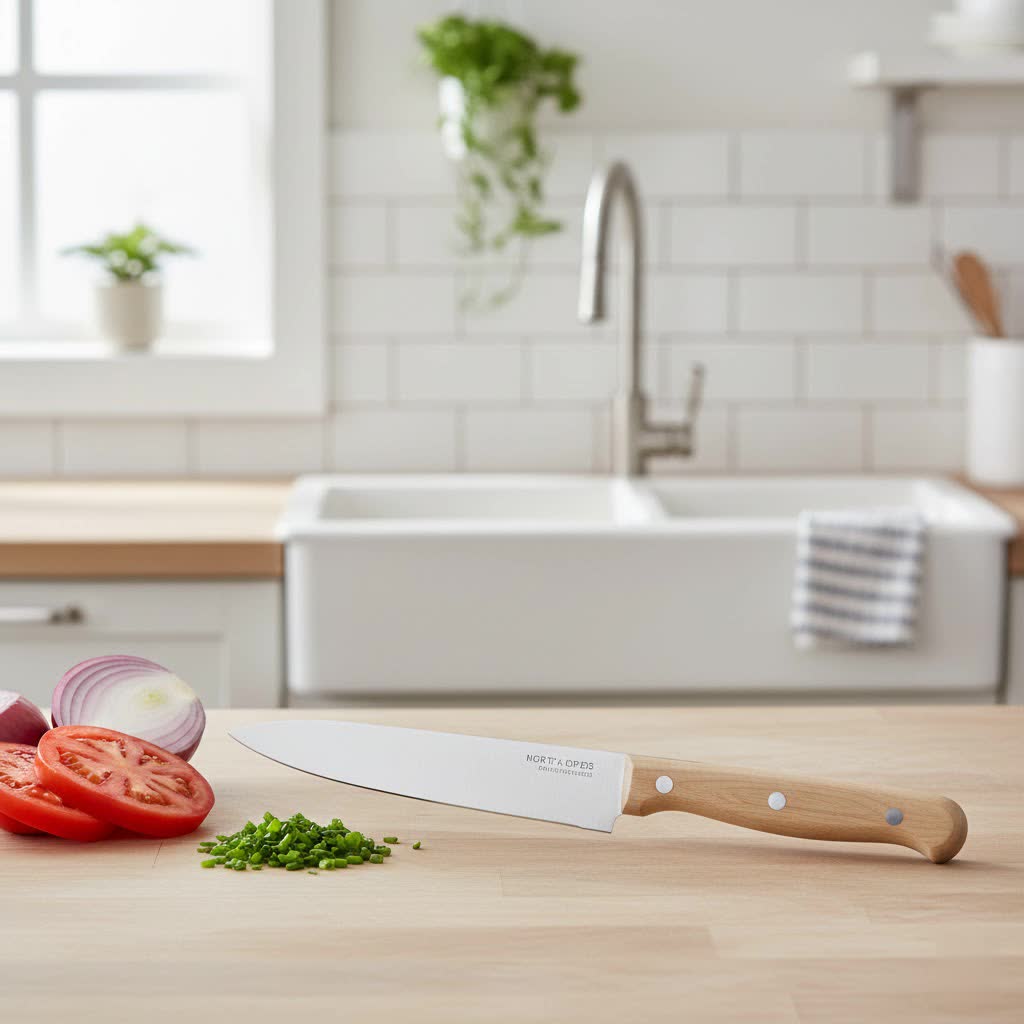
Are ceramic knife sets sharp enough to revolutionize your cooking? This is a question many home cooks and culinary enthusiasts ponder when considering these sleek, modern blades. With over a decade of experience in the kitchen knife industry, I’ve seen countless innovations, and ceramic knives certainly stand out. While known for their razor-sharp edges and lightweight design, understanding their unique properties is key to determining if they fit your culinary style. This comprehensive guide will delve into the world of ceramic knife sets, addressing their sharpness, benefits, drawbacks, and how to choose and care for them, ensuring you make an informed decision for your kitchen.
Understanding Ceramic Knives: What Makes Them Unique?
Ceramic knives are crafted from zirconium oxide, a material celebrated for its extreme hardness, second only to diamonds. This material allows for an exceptionally fine and durable edge, fundamentally differing from traditional steel knives. Unlike their metal counterparts, ceramic blades are produced through a high-temperature firing process, resulting in a non-porous and incredibly rigid blade. This inherent rigidity contributes significantly to their ability to hold an edge for extended periods.
Are Ceramic Knives Sharp Enough? The Truth About Their Edge
The primary allure of ceramic knives lies in their sharpness. Out of the box, ceramic knives are indeed exceptionally sharp, often rivaling or even surpassing the initial keenness of high-quality steel knives. This superior initial sharpness, combined with their extraordinary hardness, means that ceramic blades retain their edge for a remarkably long time—some sources suggest up to ten times longer than steel knives. This extended edge retention is a significant advantage, reducing the frequency of sharpening needed.
However, “sharpness” isn’t solely about the blade’s initial edge. The overall cutting experience is also influenced by blade geometry and thickness. While ceramic knives excel in sharpness tests, some users report that their thicker geometry, compared to very thin steel blades, can sometimes make them feel less smooth during certain cutting tasks. Despite this, for slicing delicate fruits, vegetables, and boneless meats, their precision and lasting sharpness are undeniable assets.
Pros and Cons of Ceramic Knife Sets
Like any kitchen tool, ceramic knife sets come with a distinct set of advantages and disadvantages. Understanding these can help you decide if they are the right fit for your culinary needs.
Advantages of Ceramic Knives
- Exceptional Sharpness & Edge Retention: Ceramic knives are celebrated for being incredibly sharp straight out of the box and maintaining that edge for significantly longer than traditional steel knives.
- Lightweight Design: Their lightweight nature makes them comfortable to handle, reducing hand fatigue during extensive food preparation.
- Rust and Stain Resistance: Ceramic blades are impervious to rust and stains, requiring less maintenance and remaining pristine over time.
- Non-Reactive Properties: They do not react with acidic foods, ensuring that your ingredients’ natural taste and color remain unaltered. This is crucial for maintaining the integrity of delicate flavors.
- Hygienic: The non-porous surface of ceramic naturally resists bacterial growth, making these knives a more sanitary option for food preparation.
|
Our Picks for the Best Kitchen knife set in 2026
As an Amazon Associate I earn from qualifying purchases.
|
||
| Num | Product | Action |
|---|---|---|
| 1 | ZWILLING Pro RCF 5-pc Magnetic Knife Block Set, Natural |

|
| 2 | Astercook Knife Set, 13 Pieces Kitchen Knives Set with Healthy Anti-Rust Coating, Dishwasher Safe, Stainless Steel Chef Knife Sets with 6 Blade Guards, Perfect Holiday Gifts for Kitchen |
|
| 3 | XYJ Authentic Since 1986, Kitchen Knife Set with Wooden Magnetic Knife Block, Scissors, Honing Steel, Peeler, Gloves, Vegetable Slicer Cooking Bread Butcher Chef Knives |
|
| 4 | Knife Set, Astercook 15 Pieces Knife Sets for Kitchen with Block, Dishwasher Safe Kitchen Knife Set with Built in Sharpener Block, German Stainless Steel Knife Block Set, Valentine's Gift |
|
| 5 | Cuisinart 15-Piece Knife Set with Block, High Carbon Stainless Steel, Forged Triple Rivet, White, C77WTR-15P |
|
| 6 | Ninja K32017 Foodi NeverDull Premium Knife System, 17 Piece Knife Block Set with Built-in Sharpener, German Stainless Steel Knives, Black |
|
| 7 | Knife Set, Astercook 21 Pieces Knife Sets for Kitchen with Block, Dishwasher Safe Kitchen Knife Set with Built-in Sharpener, German Stainless Steel Black Knife Block Set |
|
| 8 | 16 Piece Kitchen Knife Set with Block & Cutting Board, German Stainless Steel Knife Set with Heat-Sealed Over-molded Handles, Dishwasher Safe & Anti-Flaking Non-Stick Coating, Black |
|
| 9 | HENCKELS Statement 15-Piece Knife Set, Natural Wood Knife Block Set, Razor-Sharp Kitchen Knives, Lightweight, Dishwasher Safe |
|
| 10 | Amazon Basics 14-Piece High Carbon Stainless Steel Kitchen Knife Set with Full Tang Construction, Ergonomic Handles, Sharpener and Pinewood Block, Black |
|
Disadvantages of Ceramic Knives
- Brittleness: The most significant drawback is their fragility. Ceramic blades are prone to chipping or breaking if dropped, twisted, or used on hard surfaces or tough ingredients like bones or frozen foods.
- Difficult to Sharpen: Unlike steel, ceramic knives require specialized diamond sharpeners or professional sharpening services. Conventional sharpening methods are ineffective and can damage the blade.
- Limited Versatility: Due to their brittleness, ceramic knives are not suitable for heavy-duty tasks such as deboning poultry, carving large roasts, or chopping hard root vegetables.
- Blade Geometry: While sharp, some ceramic blades can be thicker than their steel counterparts, potentially impacting the “glide” through certain foods.
- Cost: High-quality ceramic knife sets can be more expensive than comparable steel sets.
“Ceramic knives offer unparalleled sharpness and edge retention, but their brittleness demands careful handling. They are not a replacement for steel knives but an excellent complement for specific tasks.” – Chef Antoine Dubois, Culinary Instructor & Knife Expert
When to Choose a Ceramic Knife Set (and When Not To)
Ceramic knives excel in specific kitchen tasks, making them a valuable addition rather than a complete replacement for your existing steel collection.
Ideal Uses for Ceramic Knives:
- Slicing Delicate Produce: Perfect for thinly slicing fruits and vegetables like tomatoes, cucumbers, and herbs, where precision and a clean cut are paramount.
- Boneless Meats and Fish: Excellent for preparing boneless chicken breasts, fish fillets, or cured meats without tearing.
- Precision Work: Their fine edge is ideal for intricate garnishing and detailed cutting tasks.
- Acidic Foods: Because they are non-reactive, ceramic knives are a top choice for preparing citrus, onions, or other acidic ingredients without fear of discoloration or metallic taste transfer.
When to Avoid Using Ceramic Knives:
- Bones and Frozen Foods: Absolutely avoid using ceramic knives for cutting through bones, frozen items, or extremely hard vegetables like squash or pumpkin, as this will almost certainly cause chipping or breakage.
- Prying or Twisting: The rigid nature of ceramic means they cannot flex. Any prying, twisting, or forceful chopping motions can easily damage the blade.
- Hard Surfaces: Always use ceramic knives on wooden or plastic cutting boards to prevent damage; avoid glass, stone, or metal surfaces.
Top Ceramic Knife Sets on the Market (and What to Look For)
When investing in a ceramic knife set, quality and brand reputation are key. While Kyocera is often considered a market leader for its high-quality zirconia material and exceptional sharpness, other brands also offer compelling options.
Here’s a comparison of popular ceramic knife brands:
| Brand | Best Product | Key Features | Price Range |
|---|---|---|---|
| Kyocera | Advanced Ceramic Revolution Series Santoku | High-quality zirconia, ergonomic handle, superior edge retention. | Mid to High |
| Cuisinart | Advantage 12-Piece Color-Coded Set | Budget-friendly, color-coded to prevent cross-contamination. | Low |
| TB Cutlery | Le Couteau du Chef Collection | High zirconium oxide content, ergonomic design, professional performance. | High |
| KitchenAid | Classic Ceramic Knife | Sharp blade, comfortable plastic handle, reliable quality. | Low |
| Dalstrong | Dalstrong Ceramic Chef Knife | Stylish design, excellent balance, robust sharpness. | Mid |
When selecting a set, consider the blade lengths and types of knives included. A good starter set might include a chef’s knife, a paring knife, and a utility knife. Also, assess the handle’s comfort and ergonomics, as this significantly impacts user experience.
Caring for Your Ceramic Knives: Essential Maintenance Tips
Proper care is paramount to maximizing the lifespan and performance of your ceramic knife set. Their unique material requires a different approach than steel knives.
- Hand Wash Only: Always wash ceramic knives by hand with warm water and mild soap immediately after use. Avoid dishwashers, as vibrations and contact with other utensils can cause chipping.
- Dry Immediately: Thoroughly dry your knives with a soft cloth to prevent water spots and ensure hygiene.
- Proper Storage: Store ceramic knives in protective cases, knife blocks with individual slots, or magnetic strips that keep them separate from other utensils. This prevents accidental chipping and keeps the edge protected.
- Use Appropriate Cutting Surfaces: Always use wooden or high-quality plastic cutting boards. Hard surfaces like glass, stone, or metal can damage the delicate ceramic edge.
- Professional Sharpening: Do not attempt to sharpen ceramic knives with standard steel sharpeners. They require specialized diamond sharpeners or professional sharpening services. Many reputable brands like Kyocera offer sharpening services for their products.
- Handle with Care: Never pry, twist, or use excessive force. These knives are designed for straight, slicing cuts.
Conclusion
Ceramic knife sets offer a distinct advantage in the kitchen, particularly for tasks demanding extreme sharpness and precision, coupled with resistance to rust and reactivity. While they boast an incredibly long-lasting edge and lightweight handling, their inherent brittleness means they are not suited for every cutting challenge. By understanding their unique characteristics and adhering to proper care and usage guidelines, a high-quality ceramic knife set can become an invaluable and beloved tool in your culinary arsenal. Are you ready to experience the effortless glide of a ceramic blade and elevate your food preparation?
Frequently Asked Questions
How do you sharpen ceramic knives?
Ceramic knives require specialized sharpening tools, specifically diamond sharpeners, due to their extreme hardness. Traditional sharpening steels or whetstones are ineffective and can damage the blade. Many ceramic knife manufacturers also offer professional sharpening services.
Are ceramic knives better than steel knives?
Neither is inherently “better”; they serve different purposes. Ceramic knives excel in sharpness, edge retention, and non-reactivity for delicate slicing tasks. Steel knives offer superior durability, flexibility, and versatility for heavy-duty chopping, deboning, and general kitchen tasks. The best kitchen often has both.
How long do ceramic knives last?
With proper care and maintenance, a high-quality ceramic knife can maintain its sharpness and last for many years, sometimes up to a decade, before needing professional resharpening or replacement. However, their brittleness means they can be damaged quickly if mishandled.
Can ceramic knives cut through bones or frozen food?
No, ceramic knives are very brittle and should never be used to cut through bones, frozen foods, or other very hard materials. Doing so will almost certainly cause the blade to chip or break.
Are there any health risks associated with using chipped ceramic knives?
While ceramic fragments are generally non-toxic, a chipped ceramic knife should be discontinued immediately. Small fragments can break off and contaminate food, posing a risk if accidentally ingested.