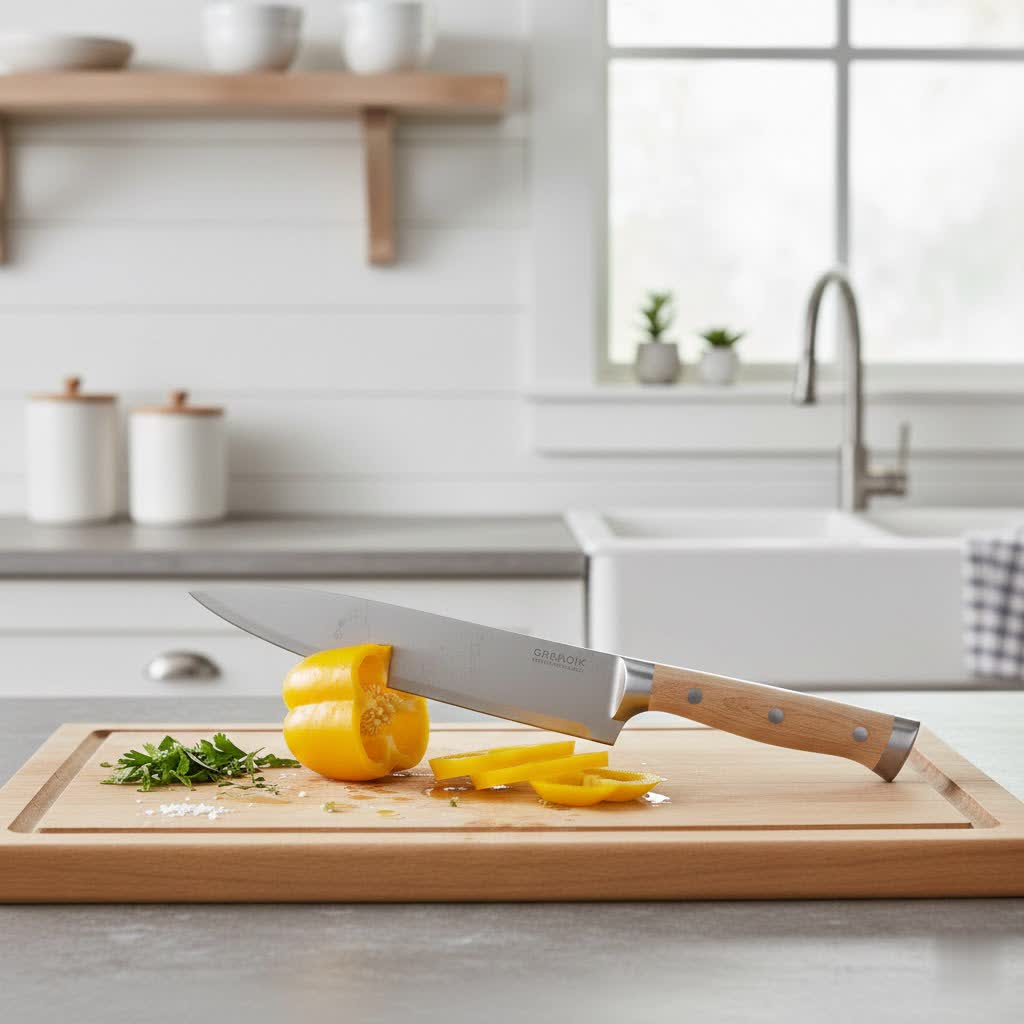
For those who view cooking not merely as a task but as an art form, a kitchen knife is more than just a tool—it’s an extension of their culinary passion. In luxury kitchens, where every detail matters, the choice of a knife set speaks volumes. This is where Damascus steel knife sets distinguish themselves, offering an unparalleled fusion of exquisite aesthetics, exceptional performance, and enduring legacy. Investing in a Damascus steel knife set is not just about acquiring cutlery; it’s about embracing a tradition of craftsmanship that elevates every slice, dice, and chop into a truly refined experience.
Understanding the Allure of Damascus Steel
The mystique surrounding Damascus steel dates back centuries, associated with legendary swords known for their formidable sharpness and mesmerizing wavy patterns. While the exact ancient forging techniques remain a lost art, modern artisans meticulously replicate this visual marvel through a process called pattern welding. By layering different types of steel, then repeatedly folding, twisting, and forging them together, a unique and intricate pattern emerges on each blade—no two are ever identical.
What truly elevates Damascus steel to the realm of luxury kitchenware is this intricate balance of form and function. Beyond its striking visual appeal, the layered construction contributes to superior edge retention and durability, making these knives perform as beautifully as they look. This blend of artistry, advanced metallurgy, and historical resonance is why Damascus steel knives are synonymous with culinary luxury and exceptional craftsmanship.
Essential Knives in a Premium Set
A luxury Damascus steel knife set is curated to meet every culinary demand, featuring a selection of blades designed for precision and versatility. While specific configurations may vary, a comprehensive set typically includes:
- Chef’s Knife (Gyuto): The undisputed workhorse of the kitchen, this versatile knife is indispensable for a wide array of tasks, from slicing meats to mincing herbs and chopping vegetables. Its balanced design and curved blade allow for a fluid rocking motion, making it a cornerstone of any collection.
- Slicing Knife (Sujihiki): Characterized by its long, thin blade, a slicing knife excels at effortlessly carving roasts, poultry, and fish with clean, precise cuts, preserving the integrity of delicate ingredients.
- Bread Knife: With its distinct serrated edge, this knife glides through crusty loaves, soft cakes, and even tough-skinned fruits like tomatoes without crushing them.
- Paring Knife: Small and agile, the paring knife is perfect for intricate tasks such as peeling fruits and vegetables, trimming, and creating decorative garnishes.
- Utility Knife: Falling between a paring knife and a chef’s knife in size, the utility knife is highly versatile for various small to medium-sized tasks where more control is needed than a chef’s knife provides.
- Santoku Knife: A Japanese-style all-purpose knife, the Santoku (meaning “three virtues”) is adept at slicing, dicing, and mincing. Its straighter edge and “sheep’s foot” tip make it ideal for quick, efficient chopping, particularly with vegetables.
- Nakiri Knife: A traditional Japanese vegetable knife, the Nakiri features a straight blade and blunt tip, designed for precise, straight cuts and push-chopping techniques, making vegetable preparation a breeze.
Crafting Excellence: Materials and Construction
The essence of a luxury Damascus steel knife set lies in its superior materials and meticulous construction. These knives are a testament to advanced metallurgy, combining various elements to achieve unparalleled performance and aesthetic appeal.
Core Steel: At the heart of a Damascus blade is its core steel, which determines the knife’s primary cutting performance. High-quality options include:
- VG10 Steel: A Japanese stainless steel renowned for its excellent edge retention, hardness, and corrosion resistance.
- VG-MAX Steel: An enhanced version of VG10, often proprietary to brands like Shun, offering even greater sharpness and durability.
- High-Carbon Steel: Valued for its ability to achieve an incredibly sharp edge and maintain it, though it requires more diligent care to prevent rust.
- AUS-8/AUS-10 Steel: Good quality stainless steels that offer a balance of sharpness, toughness, and stain resistance.
Cladding: Surrounding the core steel are multiple layers of softer steel, which are repeatedly folded and forged to create the distinctive Damascus pattern. This cladding not only provides the blade’s signature visual but also adds to its overall strength and flexibility, protecting the harder core from chipping. The number of layers can vary significantly, often ranging from 32 to over 100, influencing both the complexity of the pattern and the blade’s resilience.
Handle Materials: The handle is crucial for comfort, balance, and aesthetics. Luxury Damascus sets often feature premium materials that are both durable and visually appealing:
- G10: A highly durable fiberglass laminate, known for its moisture resistance and excellent grip.
- Pakka Wood: A composite material made of hardwood veneers and resin, offering stability, durability, and a beautiful wood grain finish.
- Stabilized Wood/Rare Woods: Woods like Danish bog oak or Karelian birch burl are stabilized with resin to enhance durability and moisture resistance while showcasing unique natural patterns.
- Resin/Micarta: Synthetic composites offering a wide range of colors and patterns, known for their strength and ergonomic properties.
Rockwell Hardness (HRC): This measurement indicates the blade’s hardness. Luxury Damascus knives typically boast a Rockwell hardness rating of 58-66 HRC. A higher HRC generally means better edge retention but can also make the blade more brittle if not properly clad and heat-treated. This balance is a hallmark of expertly crafted Damascus steel.
Top Brands for Luxury Damascus Knife Sets
Choosing a luxury Damascus steel knife set means investing in heritage, innovation, and exceptional quality. Several brands stand out in this competitive market, known for their commitment to craftsmanship and performance.
| Brand | Core Steel | Layers | Handle Material | Key Characteristics |
|---|---|---|---|---|
| Shun | VG-MAX, VG10 | 32-68 | PakkaWood | Exquisite Japanese craftsmanship, razor-sharp edges. |
| Miyabi (Zwilling) | MC63, MC66, VG10 | 67-132 | Birch, Karelian Birch | Exceptional hardness, unique “Flower Damask” patterns. |
| Dalstrong | VG10, AUS-10V | 67+ | G10, Resin, PakkaWood | Bold designs, strong performance, diverse collections. |
| Yoshihiro | VG10 | 46+ | Various Woods | Traditional Japanese artistry, superb sharpness. |
| Made In | Proprietary | Damascus | Composite | Modern luxury, highly balanced, excellent edge retention. |
| HexClad | Damascus (proprietary) | 67 | Ergonomic Synthetic | High durability, 12-degree edge, magnetic blocks. |
- Shun: Renowned for its impeccable Japanese craftsmanship, Shun offers sets like the Classic series, featuring VG-MAX steel cores clad in up to 68 layers of Damascus steel. Their knives are celebrated for their razor-sharp edges and beautiful PakkaWood handles.
- Miyabi (Zwilling): Combining German engineering with Japanese blade-making traditions, Miyabi knives, such as the 5000MCD or 6000MCT series, feature exceptionally hard core steels (up to 66 HRC) surrounded by numerous Damascus layers (often 132), creating unique patterns like “Flower Damask.” They are known for their exquisite handles, often crafted from birch.
- Dalstrong: This brand offers a wide range of visually stunning Damascus sets, often utilizing VG10 or AUS-10V core steels with 67 or more layers of Damascus cladding. Dalstrong knives are celebrated for their bold aesthetics, ergonomic G10 or resin handles, and robust performance.
- Yoshihiro: A name synonymous with traditional Japanese knife-making, Yoshihiro provides premium Damascus sets, often featuring VG10 steel. Their knives are admired for their superb sharpness, balance, and the artistic quality imbued by skilled artisans.
- Made In: A more contemporary brand gaining traction in luxury kitchens, Made In offers Japanese Damascus knives that blend modern aesthetics with high performance. Their sets often include essential knives like the Santoku, Nakiri, and Gyuto, praised for their balance and consistent cutting ability.
- HexClad: Known for their innovative cookware, HexClad has entered the knife market with Damascus steel sets that combine 67 layers of Damascus with a fine 12-degree edge, characteristic of high-end Japanese blades. These sets often come with impressive magnetic knife blocks.
Choosing Your Perfect Damascus Set
Selecting a Damascus steel knife set for a luxury kitchen is a personal journey, blending practical needs with aesthetic preferences. Consider these factors to find the ideal match:
- Identify Your Culinary Needs: How often do you cook, and what types of food do you primarily prepare? A passionate home chef who cooks daily will benefit from a comprehensive set, while a casual cook might find a smaller, essential set more suitable. Consider specific knives needed for frequent tasks, such as a nakiri for extensive vegetable prep or a sujihiki for frequent meat carving.
- Budget Considerations: Damascus steel knives represent a significant investment due to the labor-intensive production and high-quality materials. Establish a budget, but remember that these are often heirloom-quality tools designed to last a lifetime, making them a worthwhile splurge for serious enthusiasts.
- Set Size and Composition: Do you need a full block set with every conceivable knife, or a more compact collection of core essentials? Evaluate the common knives used in your kitchen and opt for a set that thoughtfully addresses those needs without unnecessary redundancy.
- Aesthetics and Ergonomics: The beauty of Damascus patterns is undeniable, but the knife must also feel right in your hand. Pay attention to the handle material, shape, and the knife’s overall balance. A well-balanced knife reduces fatigue and enhances control, transforming demanding tasks into enjoyable experiences.
- Brand Reputation and Warranty: Researching reputable brands known for quality and customer service is crucial. Many luxury brands offer lifetime warranties, reflecting their confidence in the durability and craftsmanship of their knives.
Preserving Perfection: Care and Maintenance
To ensure your luxury Damascus steel knife set remains a showpiece of both performance and beauty for generations, proper care is paramount. These exquisite tools require a gentle hand and consistent maintenance.
- Cleaning: Always handwash your Damascus knives immediately after each use with warm water and a mild dish soap. Avoid abrasive sponges or harsh chemicals that can damage the intricate blade pattern. Crucially, never put Damascus knives in a dishwasher. The high heat, harsh detergents, and aggressive spraying can strip the blade’s finish, dull the edge, and damage the handle.
- Drying: After washing, dry your knives thoroughly and immediately with a soft cloth, such as microfiber or cotton. Pay close attention to the area where the blade meets the handle, as moisture trapped here can lead to rust.
- Storage: Proper storage prevents damage and keeps your blades sharp. Consider a magnetic knife block or wall strip, which keeps blades visible and safely separated. A quality knife roll or case is ideal for protection during transport or for storing less frequently used knives. Avoid storing them loosely in a drawer where they can bump against other utensils, causing nicks and dulling.
- Sharpening: Regular sharpening maintains the blade’s optimal edge. While frequency depends on usage, sharpening every 2-3 months for daily users is a good guideline. Use a whetstone with a range of grits (e.g., 1000 for general sharpening, 5000-8000 for refining) and maintain a consistent angle, typically 15-20 degrees, common for many high-end Japanese-style blades.
- Oiling: For Damascus knives with a higher carbon steel content, regularly apply a thin layer of food-grade mineral oil or wax to the blade. This creates a protective barrier against moisture and helps prevent corrosion, especially if storing for extended periods.
- Usage: Always use your knives on appropriate cutting surfaces, such as wood or high-quality plastic. Avoid cutting on hard surfaces like stone, glass, or metal, which can quickly dull or chip the delicate edge. Be mindful of highly acidic foods; while Damascus steel is durable, prolonged contact with acids can affect the blade’s finish. Clean immediately after use with such ingredients.
“A truly exceptional knife isn’t just about how it cuts today, but how it endures for years to come. Proper care is the silent testament to its quality.”
Conclusion
A Damascus steel knife set is more than a collection of kitchen tools; it is an investment in culinary artistry and a statement of discerning taste. With their breathtaking patterns, unparalleled sharpness, and enduring quality, these knives transform everyday cooking into a luxurious experience. By understanding the craftsmanship behind them, selecting the right set for your needs, and committing to proper care, you ensure these magnificent blades will inspire and perform beautifully in your luxury kitchen for a lifetime.
Are you ready to elevate your culinary journey and own a piece of functional art that stands the test of time?
Frequently Asked Questions
Are Damascus steel knives worth the investment for luxury kitchens?
|
Our Picks for the Best Kitchen knife set in 2026
As an Amazon Associate I earn from qualifying purchases.
|
||
| Num | Product | Action |
|---|---|---|
| 1 | HENCKELS Statement 15-Piece Knife Set, Natural Wood Knife Block Set, Razor-Sharp Kitchen Knives, Lightweight, Dishwasher Safe |

|
| 2 | ZWILLING Pro RCF 5-pc Magnetic Knife Block Set, Natural |
|
| 3 | Knife Set, Astercook 21 Pieces Knife Sets for Kitchen with Block, Dishwasher Safe Kitchen Knife Set with Built-in Sharpener, German Stainless Steel Black Knife Block Set |
|
| 4 | Astercook Knife Set, 13 Pieces Kitchen Knives Set with Healthy Anti-Rust Coating, Dishwasher Safe, Stainless Steel Chef Knife Sets with 6 Blade Guards, Perfect Holiday Gifts for Kitchen |
|
| 5 | XYJ Authentic Since 1986, Kitchen Knife Set with Wooden Magnetic Knife Block, Scissors, Honing Steel, Peeler, Gloves, Vegetable Slicer Cooking Bread Butcher Chef Knives |
|
| 6 | Knife Set, Astercook 15 Pieces Knife Sets for Kitchen with Block, Dishwasher Safe Kitchen Knife Set with Built in Sharpener Block, German Stainless Steel Knife Block Set, Valentine's Gift |
|
| 7 | Cuisinart 15-Piece Knife Set with Block, High Carbon Stainless Steel, Forged Triple Rivet, White, C77WTR-15P |
|
| 8 | Amazon Basics 14-Piece High Carbon Stainless Steel Kitchen Knife Set with Full Tang Construction, Ergonomic Handles, Sharpener and Pinewood Block, Black |
|
| 9 | 16 Piece Kitchen Knife Set with Block & Cutting Board, German Stainless Steel Knife Set with Heat-Sealed Over-molded Handles, Dishwasher Safe & Anti-Flaking Non-Stick Coating, Black |
|
| 10 | Ninja K32017 Foodi NeverDull Premium Knife System, 17 Piece Knife Block Set with Built-in Sharpener, German Stainless Steel Knives, Black |
|
Absolutely. For discerning cooks and luxury kitchens, Damascus steel knives are a worthwhile investment. Their unique layered construction provides exceptional sharpness, edge retention, and durability, while their distinctive patterns offer unmatched aesthetic appeal. They are designed for superior performance and longevity, making them a centerpiece of any high-end culinary collection.
How often should I sharpen my Damascus knives?
The frequency of sharpening depends on how often you use your knives. For home cooks who use their Damascus knives daily, sharpening every two to three months is generally recommended to maintain optimal performance. Professional chefs or those with very frequent use might choose to sharpen more often.
Can Damascus knives go in the dishwasher?
No, Damascus steel knives should never be put in the dishwasher. The intense heat, harsh detergents, and high-pressure water can severely damage both the intricate blade pattern and the handle materials, leading to corrosion, dulling, and deterioration. Always handwash and dry immediately.
What makes a Damascus steel knife “luxury”?
The “luxury” in a Damascus steel knife comes from several factors: the meticulous, labor-intensive crafting process; the use of high-quality core steels and layered cladding for superior performance; the unique, beautiful patterns that make each knife an individual work of art; and often, premium handle materials and balanced designs that enhance the cutting experience.
What’s the difference between ancient and modern Damascus steel?
Ancient Damascus steel, originally made from wootz steel, had a distinctive internal microstructure that contributed to legendary strength and flexibility. The exact methods for creating it were lost centuries ago. Modern Damascus steel, or “pattern-welded steel,” replicates the visual patterns and desirable properties through layering different types of steel, forging them together, and then acid etching. While not identical, modern Damascus steel achieves exceptional performance and aesthetic beauty.