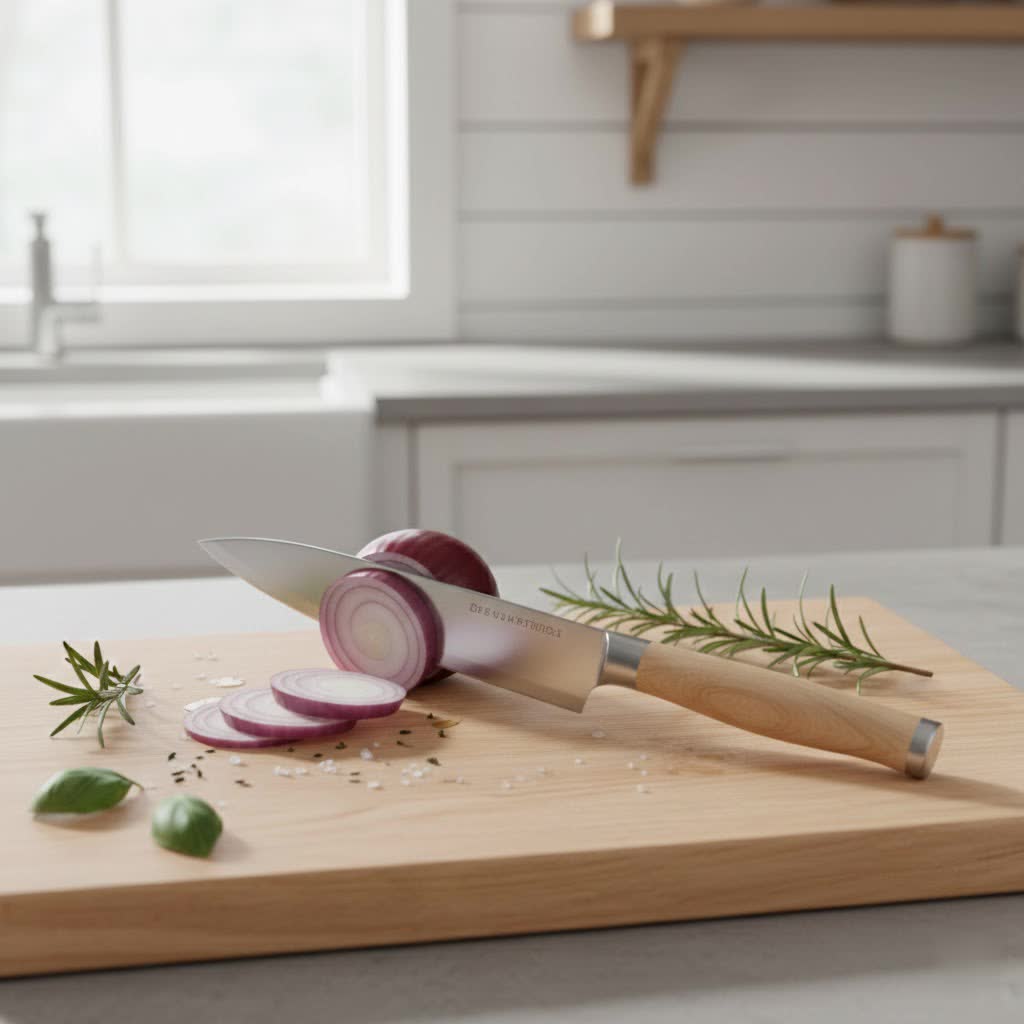
As a left-handed cook, you’ve likely navigated a world of kitchen tools designed primarily for right-handed users, often adapting your grip, compromising on comfort, or accepting less-than-perfect results. But imagine a culinary experience where every slice is effortlessly straight, every chop feels natural, and every knife fits your hand like an extension of your own skill. This year, 2026, marks a prime opportunity to upgrade your kitchen with a knife set that truly caters to your needs, transforming everyday meal prep from a minor struggle into a confident, enjoyable art.
Why Left-Handed Cooks Need Specific Knife Sets
The notion that “a knife is a knife” simply doesn’t hold true for left-handed cooks. The subtle—yet significant—differences in knife design can profoundly impact comfort, safety, and cutting precision.
Blade Orientation: The Bevel Explained
|
Our Picks for the Best Kitchen knife set in 2026
As an Amazon Associate I earn from qualifying purchases.
|
||
| Num | Product | Action |
|---|---|---|
| 1 | Knife Set, Astercook 21 Pieces Knife Sets for Kitchen with Block, Dishwasher Safe Kitchen Knife Set with Built-in Sharpener, German Stainless Steel Black Knife Block Set |

|
| 2 | Astercook Knife Set, 13 Pieces Kitchen Knives Set with Healthy Anti-Rust Coating, Dishwasher Safe, Stainless Steel Chef Knife Sets with 6 Blade Guards, Perfect Holiday Gifts for Kitchen |
|
| 3 | ZWILLING Pro RCF 5-pc Magnetic Knife Block Set, Natural |
|
| 4 | Ninja K32017 Foodi NeverDull Premium Knife System, 17 Piece Knife Block Set with Built-in Sharpener, German Stainless Steel Knives, Black |
|
| 5 | 16 Piece Kitchen Knife Set with Block & Cutting Board, German Stainless Steel Knife Set with Heat-Sealed Over-molded Handles, Dishwasher Safe & Anti-Flaking Non-Stick Coating, Black |
|
| 6 | Cuisinart 15-Piece Knife Set with Block, High Carbon Stainless Steel, Forged Triple Rivet, White, C77WTR-15P |
|
| 7 | Knife Set, Astercook 15 Pieces Knife Sets for Kitchen with Block, Dishwasher Safe Kitchen Knife Set with Built in Sharpener Block, German Stainless Steel Knife Block Set, Valentine's Gift |
|
| 8 | XYJ Authentic Since 1986, Kitchen Knife Set with Wooden Magnetic Knife Block, Scissors, Honing Steel, Peeler, Gloves, Vegetable Slicer Cooking Bread Butcher Chef Knives |
|
| 9 | Amazon Basics 14-Piece High Carbon Stainless Steel Kitchen Knife Set with Full Tang Construction, Ergonomic Handles, Sharpener and Pinewood Block, Black |
|
| 10 | HENCKELS Statement 15-Piece Knife Set, Natural Wood Knife Block Set, Razor-Sharp Kitchen Knives, Lightweight, Dishwasher Safe |
|
The most critical distinction often lies in the knife’s blade grind, or “bevel.” Many traditional knives, especially single-bevel Japanese designs, are ground on one side (the right side for right-handed users). When a left-handed person uses such a knife, the blade naturally pushes away from the intended cut line, leading to uneven slices and requiring awkward adjustments. Left-handed knives, conversely, feature a bevel ground on the left side, or a symmetrical (50/50) double-bevel, ensuring the blade follows your natural motion for cleaner, straighter cuts. This specialized design minimizes the need to compensate for the knife’s inherent inclination.
Handle Ergonomics: Comfort in Your Grip
Beyond the blade, the handle plays a crucial role. Many knife handles are subtly shaped or contoured to fit a right-handed grip, causing discomfort, hand fatigue, and even strain for left-handed users during prolonged tasks. Left-handed or ambidextrous handles, on the other hand, provide a neutral or specifically contoured grip that fits comfortably in your left hand, enhancing control and reducing the risk of accidents.
Enhanced Safety and Precision
Using a knife that doesn’t align with your dominant hand can lead to awkward angles and reduced control, significantly increasing the risk of slips and injuries. A properly designed left-handed knife or an ambidextrous alternative offers superior control, allowing for more accurate cuts and improved safety. This precision also leads to better food presentation and consistency in your culinary creations.
Serrated Edges: The Bread Knife Dilemma
For knives with serrated edges, like a bread knife, the direction of the serrations matters. On a right-handed bread knife, the serrations are typically on the left side of the blade. For a left-handed cook, these serrations would push the bread apart rather than cleanly slice through it. A true left-handed serrated knife features these serrations on the right side of the blade, enabling clean, straight cuts without crushing delicate items like bread or ripe tomatoes.
Key Features to Look For in a Left-Handed Knife Set
When investing in a new knife set for left-handed use in 2026, keep these essential features in mind to ensure optimal performance and comfort:
- Symmetrical (Double-Bevel) Blades: For most general-purpose kitchen knives, a double-bevel blade (sharpened equally on both sides) is an excellent choice. This design ensures that the knife cuts straight regardless of which hand holds it, making it inherently ambidextrous and suitable for left-handed cooks.
- Ergonomic Handles: Prioritize handles that feel comfortable and secure in your left hand. Look for neutral, symmetrical handle designs or those explicitly marketed as “left-handed friendly” with a D-shape or other contours optimized for a left-hand grip. The material should also provide a non-slip surface, even when wet.
- High-Quality Blade Material: Regardless of handedness, a good knife set requires durable, sharp blades. High-carbon stainless steel offers excellent edge retention, corrosion resistance, and ease of maintenance. Damascus steel combines beauty with performance, while ceramic provides extreme sharpness and no rust, though it’s more fragile.
- Proper Balance and Weight: A well-balanced knife feels like an extension of your arm, reducing fatigue and improving control. Test different knives if possible, or read reviews that comment on the balance point, looking for models that distribute weight evenly from blade to handle.
- Comprehensive Set of Essential Knives: A good starter set should include the core knives you’ll use most frequently, such as a chef’s knife, slicing knife, bread knife, paring knife, and utility knife. Ensure that any serrated knives within the set are appropriate for left-handed use.
Types of Knives in a Versatile Kitchen Knife Set
A well-rounded knife set should equip you for nearly any culinary task. Here’s a look at essential knife types and their left-handed considerations:
- Chef’s Knife: This is the workhorse of the kitchen, ideal for chopping, slicing, dicing, and mincing. For left-handed cooks, the chef’s knife is where blade bevel and handle ergonomics are most critical. Look for symmetrical double-bevel blades and a comfortable, ambidextrous, or left-hand-specific handle.
- Slicing Knife: With a longer, thinner blade, this knife is perfect for carving roasts and slicing delicate meats. Its typically symmetrical design generally makes it suitable for left-handed use without specific adaptations beyond handle comfort.
- Bread Knife: Essential for slicing through crusty loaves without squishing the interior. As discussed, ensure the serrations are on the right side of the blade for optimal left-handed performance, or opt for a double-serrated design.
- Paring Knife: Small and nimble, ideal for intricate tasks like peeling, trimming, and coring fruits and vegetables. Given its smaller size, balance and a comfortable, neutral handle are key for left-handed precision.
- Utility Knife: A versatile mid-sized knife that bridges the gap between a chef’s knife and a paring knife. Like the paring knife, its effectiveness for left-handed users hinges on a comfortable handle and a symmetrical blade grind.
Top Picks: Best Knife Sets for Left-Handed Cooks in 2026
While few “left-handed knife sets” are explicitly marketed as such, several reputable brands offer high-quality, ambidextrous designs or specific left-handed options that excel for southpaw chefs. Focus on sets known for symmetrical blades, balanced designs, and comfortable, neutral handles.
- Wüsthof Classic / Gourmet Series: Known for their precision German engineering, Wüsthof knives typically feature full tang, triple-riveted handles and symmetrical (double-bevel) blades. The Classic series offers exceptional balance and a robust feel, while the Gourmet line provides a lighter alternative. Their handles are generally neutral, making them excellent choices for left-handed users.
- Victorinox Fibrox Pro Knife Sets: Often lauded for their outstanding value and performance, Victorinox Fibrox knives feature textured, non-slip handles that are renowned for their comfort and ambidextrous design. The blades are symmetrically ground, offering precise cuts for both left and right-handed users. These sets are a fantastic starting point for any left-handed cook.
- Zwilling J.A. Henckels International Sets: As another titan of German cutlery, Zwilling J.A. Henckels offers many sets with symmetrical blades and ergonomically shaped handles that are comfortable for both hands. Their “International” line provides great quality at accessible price points, making them a reliable choice for left-handed kitchens.
- Shun Classic (Double-Bevel with D-Shaped Handle options): While many traditional Japanese knives are single-bevel, Shun offers several double-bevel options within its Classic line. For truly optimized comfort, look for Shun models featuring a “D-shaped” PakkaWood handle explicitly designed in a left-handed variant. These knives offer exceptional sharpness and precision for discerning cooks.
- Global Knives: Global knives are distinctive for their seamless, all-steel construction and dimpled handles. Their symmetrical blade grind and unique handle design are inherently ambidextrous, making them a popular choice among many left-handed professionals. Some users, however, find the thin, rectangular handle less comfortable than more contoured options.
Maintaining Your Left-Handed Knife Set
Proper care and maintenance are crucial to preserve the sharpness and longevity of any knife set, especially those chosen for specific ergonomic benefits.
- Hand Washing and Drying: Always hand wash your knives immediately after use with warm water and mild soap. Avoid dishwashers, as harsh detergents and high temperatures can dull blades, damage handles, and promote corrosion.
- Thorough Drying: Dry your knives immediately after washing to prevent water spots and rust, particularly with high-carbon steel blades.
- Proper Storage: Store knives safely in a knife block, on a magnetic strip, or in blade guards. This protects the blades from damage and keeps them safely out of reach.
- Regular Sharpening and Honing: Maintain your knives’ sharpness with regular honing using a steel or ceramic rod, and occasional sharpening with a whetstone or a dedicated sharpener. For single-bevel left-handed knives, it’s best to use sharpening tools designed to maintain their specific angle. For symmetrical blades, standard sharpeners work well.
- Avoid Hard Surfaces: Always cut on a cutting board made of wood, bamboo, or plastic. Avoid glass, stone, or metal surfaces, which can quickly dull and damage knife edges.
Conclusion
Choosing the right kitchen knife set can dramatically improve your cooking experience as a left-handed individual. By understanding the nuances of blade orientation, handle ergonomics, and the importance of symmetrical designs, you can select tools that truly empower your culinary journey. Investing in a high-quality, left-hand-friendly set from brands like Wüsthof, Victorinox, Zwilling, or specialized Shun models will provide unparalleled comfort, safety, and precision in your kitchen. Why settle for adapting when you can thrive with tools perfectly suited for you? What’s the first dish you’ll master with your new, perfectly suited knife set?
Frequently Asked Questions
Do I really need a left-handed chef knife if I’m left-handed?
Yes, investing in a knife designed for left-handed use or a high-quality ambidextrous knife is highly recommended. These knives offer optimized blade orientation and handle ergonomics, leading to cleaner cuts, greater comfort, and improved safety compared to struggling with right-handed tools.
What’s the difference between a left-handed and an ambidextrous chef knife?
A true left-handed chef knife has its blade ground specifically on the right side and may feature a handle contoured for left-handed grip. An ambidextrous knife, however, has a symmetrical (50/50) blade grind and a neutral handle, making it suitable for both left- and right-handed users. While convenient, an ambidextrous knife might not offer the same specialized ergonomic benefits as a true left-handed design.
Are left-handed knife sets more expensive?
Generally, specialized left-handed knives can be slightly more expensive due to their niche market and design. However, many excellent ambidextrous knife sets, which perform exceptionally well for left-handed cooks, are available at comparable prices to their right-handed counterparts. The benefits in comfort, precision, and safety often outweigh the minimal price difference.
Can I sharpen a left-handed knife with a regular sharpener?
For knives with symmetrical (double-bevel) blades, a regular sharpener can work effectively. However, for true left-handed single-bevel knives, it’s best to use sharpening stones or honing rods specifically designed to maintain the correct blade angle and specialized grind. This ensures the unique characteristics of the left-handed blade are preserved.
What should I look for when buying a left-handed chef knife within a set?
Prioritize chef knives with a symmetrical (50/50) blade grind or, if available, a left-handed single bevel. The handle should be ergonomically designed for a left-handed grip or be a neutral, comfortable ambidextrous design. Also, consider high-quality blade material (like high-carbon stainless steel), proper balance, and a weight that feels comfortable in your hand.