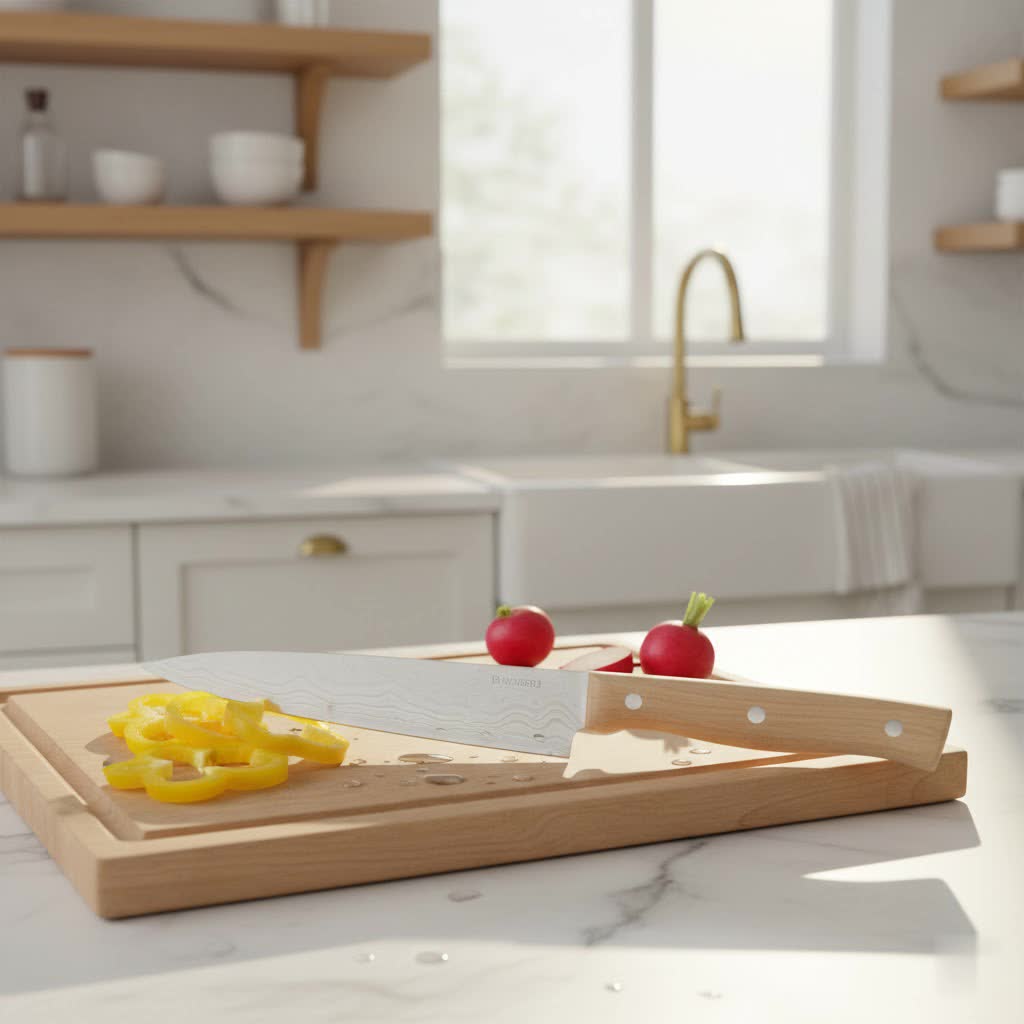
For millions worldwide, the joy of cooking can be overshadowed by the challenges of arthritis. Preparing meals, once a simple pleasure, can become a painful and daunting task when joints in the hands and wrists are affected. The stiffness, swelling, and reduced grip strength can make basic kitchen functions, especially cutting and chopping, almost unbearable. But imagine a kitchen where every slice is smooth, every chop is effortless, and every meal prep moment is free from discomfort. This reality is attainable with the right tools: specifically designed knife sets with easy-grip handles that empower you to regain confidence and comfort in your culinary pursuits.
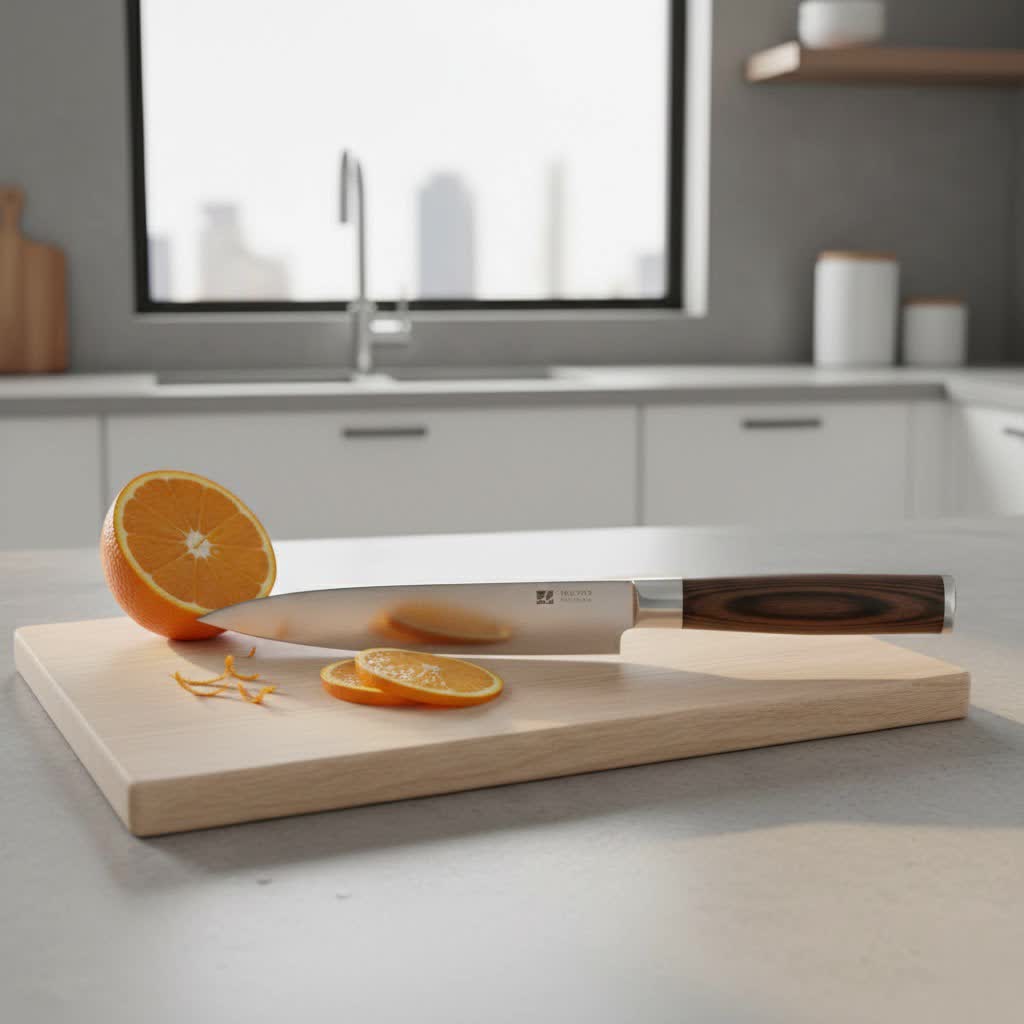
Understanding Arthritis and Its Impact on Kitchen Tasks
Arthritis manifests in various forms, most commonly affecting the joints with pain, inflammation, stiffness, and reduced range of motion. For cooks, this can significantly impact the ability to perform precise and repetitive hand movements essential for food preparation. Holding a standard knife with a thin or slick handle can exacerbate pain, leading to hand fatigue, discomfort in the wrist, and even a loss of control, increasing the risk of accidents. The continuous pressure and twisting motions involved in chopping, slicing, and dicing can put undue stress on delicate hand joints, making the kitchen a source of dread rather than delight. Recognizing these challenges is the first step toward finding adaptive solutions that prioritize joint health and make cooking enjoyable again.
Key Features of Arthritis-Friendly Knife Sets
When selecting knives designed for arthritic hands, certain features are paramount for ensuring comfort, safety, and efficiency. These specialized characteristics aim to reduce strain and facilitate an easier grip, transforming your cooking experience.
- Ergonomic Handles: The cornerstone of an arthritis-friendly knife is its handle. Look for handles that are built-up, pressure-absorbing, contoured, and non-slip. These designs distribute pressure more evenly across the hand, reducing the need for a tight grip. Handles that are larger or feature vertical/angled orientations can also promote a more natural wrist position, minimizing stress. Many of these designs are specifically commended by organizations like the Arthritis Foundation for their ease of use.
- Optimal Balance and Weight: While some might assume lighter is always better, an ideally balanced knife is crucial. A knife that feels balanced in your hand, with the weight distributed appropriately between the blade and the handle, requires less effort to control. Lightweight yet sturdy materials help reduce overall hand fatigue without compromising cutting power.
- Razor-Sharp Blades: A sharp blade is fundamental for any good knife, but for individuals with arthritis, it’s a necessity. A razor-sharp edge glides through food with minimal pressure, significantly reducing the force and effort required from your hand and wrist. This not only makes cutting easier but also safer, as there’s less chance of the knife slipping.
- Specialized Designs: Some adaptive knives incorporate unique designs, such as angled blades that allow for a rocking motion, reducing wrist strain, or T-handles and rocker knives that provide alternative gripping methods for different levels of mobility.
- Durable and Easy to Clean: High-quality stainless steel blades offer durability and resistance to corrosion. Furthermore, choosing knives that are dishwasher safe can simplify cleanup, which is another often-overlooked task that can be difficult for those with joint pain.
Essential Knife Types for Arthritis Sufferers
A well-rounded kitchen requires a variety of knives, each suited for different tasks. For individuals managing arthritis, selecting adaptive versions of these essential tools can make all the difference.
- Chef’s Knife: This versatile workhorse is indispensable for chopping, dicing, and mincing a wide array of ingredients. An ergonomic chef’s knife will offer a comfortable grip that supports your hand during prolonged use, making it easier to handle everything from sturdy vegetables to large cuts of meat.
- Paring Knife: For small, precise tasks like peeling fruits, trimming vegetables, or intricate garnishing, a paring knife is key. Look for models with handles that provide a secure, comfortable grip for these delicate motions, minimizing the need for fine motor control that can strain arthritic fingers.
- Utility Knife: Falling between a chef’s knife and a paring knife in size, a utility knife is perfect for medium-sized tasks. Its adaptability makes it ideal for slicing sandwiches, preparing smaller cuts of meat, or handling delicate foods like tomatoes without crushing them, especially when equipped with a serrated edge and an easy-grip handle.
- Bread Knife: With its distinctive serrated edge, a bread knife is essential for slicing through crusty loaves, bagels, and soft cakes without tearing. An ergonomic bread knife ensures you can apply even pressure across the length of the blade with less hand tension, making slicing effortless.
- Slicing/Carving Knife: These knives typically feature longer, thinner blades designed for cleanly slicing roasts, poultry, or fish. An arthritis-friendly slicing knife will offer excellent balance and a comfortable handle, allowing you to make long, even cuts with stability and control, reducing strain on your wrist and arm.
- Santoku Knife: A popular Asian chef knife, the Santoku is excellent for mincing, dicing, and scooping. Its unique blade shape often makes it feel more balanced for certain cutting styles, and when paired with an ergonomic handle, it provides a comfortable and efficient alternative for many tasks.
Top Knife Sets and Brands for Arthritis: A Detailed Look
Several brands have risen to prominence for their commitment to creating kitchen tools that cater to the needs of individuals with arthritis. Investing in a set from these trusted names can significantly enhance your cooking comfort and safety.
OXO Good Grips
OXO Good Grips is a widely recognized brand, celebrated for its user-friendly designs that enhance daily living for everyone, including those with arthritis. Their knives feature distinctive built-up, pressure-absorbing, non-slip handles that are soft and flexible, designed to fit comfortably in the palm and provide a secure grip, even when wet. OXO products have garnered awards, including the Tylenol/Arthritis Foundation design award, for their adaptive features.
- Key Products: The OXO Good Grips Utility Knife is lauded for its sharp, serrated stainless steel blade and comfortable handle, ideal for slicing fruits and vegetables. Their Bread Knife and Mini Santoku Knife also incorporate the signature ergonomic handles, making chopping and mincing easier.
Dexter Russell DuoGlide
Dexter Russell’s DuoGlide series is specifically engineered for greater comfort and less fatigue, earning the prestigious Ease of Use Commendation from the Arthritis Foundation. The design of these knives helps position your hand directly over the food, promoting a more natural and less strenuous cutting posture. They combine comfort with high performance, featuring sharp, precision-ground, corrosion-resistant blades.
- Key Products: The Dexter Russell DuoGlide Paring Knife and Utility Knife are highly recommended for their ability to make repetitive tasks like peeling and dicing much easier. Their Bread Knife, Right Angled Knife (with a perpendicular handle to minimize wrist movement), and Chef’s Knife also feature the ergonomic DuoGlide handle, offering a comprehensive solution for various kitchen needs.
Rada Cutlery
Rada Cutlery has a long-standing reputation for quality and sharpness, offering knives with handles that come in a range of sizes, ensuring an easy and comfortable grip. Their focus on razor-sharp blades, made from surgical-quality T420 high-carbon stainless steel, means minimal effort is required to glide through food, a crucial benefit for arthritic hands.
- Key Products: Rada’s Paring Knives are celebrated for their effortless performance. For those who prefer a slightly larger grip, the Anthem Wave line features handles with a distinctive raised wave pattern, ergonomic design, and balanced weight. The offset handle design on their larger knives and finger guards on smaller ones also provide additional safety and comfort for knuckles.
Reflex Range (Mobility Shop Direct)
The Reflex range, often found through mobility aid suppliers, is designed for individuals with weak grip or restricted hand movement. These knives stand out with their contoured closed handles and blades set at an angle to minimize wrist movement during use. The handles are also counterbalanced to reduce strain, and the entire range is made from durable stainless steel and is dishwasher safe.
- Key Products: The Reflex range includes essential knives such as Slicing, Carving, Chef’s, and Preparation knives, all incorporating the unique angled and counterbalanced handle design to provide practical assistance in the kitchen.
Choosing the Right Knife Set for Your Needs
Selecting the perfect knife set when you have arthritis involves a personal assessment of your specific needs and preferences.
- Assess Personal Comfort and Grip: The most critical factor is how a knife feels in your hand. If possible, try different handle shapes and materials. Does it feel secure? Does it reduce pressure points?
- Consider Your Most Frequent Tasks: Think about the types of food preparation you do most often. If you peel many vegetables, prioritize an excellent paring knife. If you carve roasts, focus on a comfortable slicing knife.
- Budget: Arthritis-friendly knives are available across various price points. Determine a budget that allows you to invest in quality and comfort without overspending.
- Look for Commendations: Knives carrying the Arthritis Foundation’s Ease of Use Commendation are a strong indicator of thoughtful, adaptive design.
- Read Reviews and Seek Recommendations: User reviews from other individuals with arthritis can offer valuable insights into real-world performance and comfort.
“Finding the right kitchen tools can truly transform the daily lives of individuals with arthritis. Ergonomic knives aren’t just about comfort; they’re about maintaining independence and rekindling the joy of cooking.” – Dr. Elena Petrova, Occupational Therapist specializing in adaptive living aids.
Maintaining Your Ergonomic Knives
Proper maintenance is vital for prolonging the life and effectiveness of any knife, especially adaptive ones. For individuals with arthritis, careful maintenance also ensures the tools remain easy and safe to use.
- Hand Washing and Drying: Although some adaptive knives are dishwasher safe, hand washing with warm water and mild soap is always recommended. This preserves the blade’s edge and protects the handle material from harsh detergents and high heat, which can degrade ergonomic properties over time. Always dry your knives immediately to prevent rust and water spots.
- Proper Storage: Storing your knives correctly prevents dulling and accidents. Options include knife blocks, magnetic strips mounted on the wall, or in-drawer organizers. These methods keep blades protected and handles easily accessible, reducing fumbling which can be difficult for arthritic hands.
- Regular Sharpening: A sharp knife is a safe knife, and for those with arthritis, it dramatically reduces the effort needed for cutting. Invest in a good quality knife sharpener and use it regularly, or have your knives professionally sharpened. This will ensure they remain effective with minimal pressure from your hands.
- Avoid Hard Cutting Surfaces: Always use cutting boards made from wood or soft plastic. Cutting on hard surfaces like glass, ceramic, or metal can quickly dull blades and potentially damage them, requiring more effort to cut.
Conclusion
Living with arthritis doesn’t mean you have to give up the pleasure of cooking. By understanding the unique challenges and embracing intelligently designed adaptive knife sets, you can transform your kitchen experience from one of pain and frustration to one of ease and enjoyment. Tools with ergonomic, easy-grip handles, optimal balance, and razor-sharp blades are not just conveniences; they are essential aids that empower you to maintain independence and culinary creativity. Investing in the right knife set means investing in your comfort, safety, and passion for food. Isn’t it time to equip your kitchen with tools that truly support your hands and rekindle your love for cooking?
Frequently Asked Questions
What makes a knife handle “easy grip” for arthritis?
An “easy grip” knife handle for arthritis typically features a built-up, contoured, or soft, non-slip material that distributes pressure evenly across the hand. Some designs are angled or vertical to promote a more natural wrist posture, requiring less force and fine motor control.
Are lightweight knives always better for arthritis?
While lightweight knives can reduce overall hand fatigue, optimal balance is equally important. A well-balanced knife, even if slightly heavier, can often feel more stable and require less effort to control than a poorly balanced, very light knife, minimizing strain during cutting.
Can I just buy individual knives instead of a set?
Yes, absolutely. Many individuals with arthritis prefer to purchase individual knives that specifically address their most frequent cooking tasks or pain points. This allows for a customized collection tailored precisely to personal needs and preferences, rather than a full set that might include less-used items.
How often should I sharpen arthritis-friendly knives?
Regular sharpening is crucial for arthritis-friendly knives as it ensures the blade remains razor-sharp, reducing the physical effort required for cutting. The frequency depends on use, but generally, sharpening every 1-3 months for home cooks, or more often if you notice increased effort, is a good guideline.
Are these knives typically more expensive?
Adaptive knife sets designed with ergonomic features for arthritis may sometimes be slightly more expensive than basic conventional knives due to specialized design and materials. However, the investment often provides significant long-term benefits in terms of comfort, safety, and improved quality of life in the kitchen.