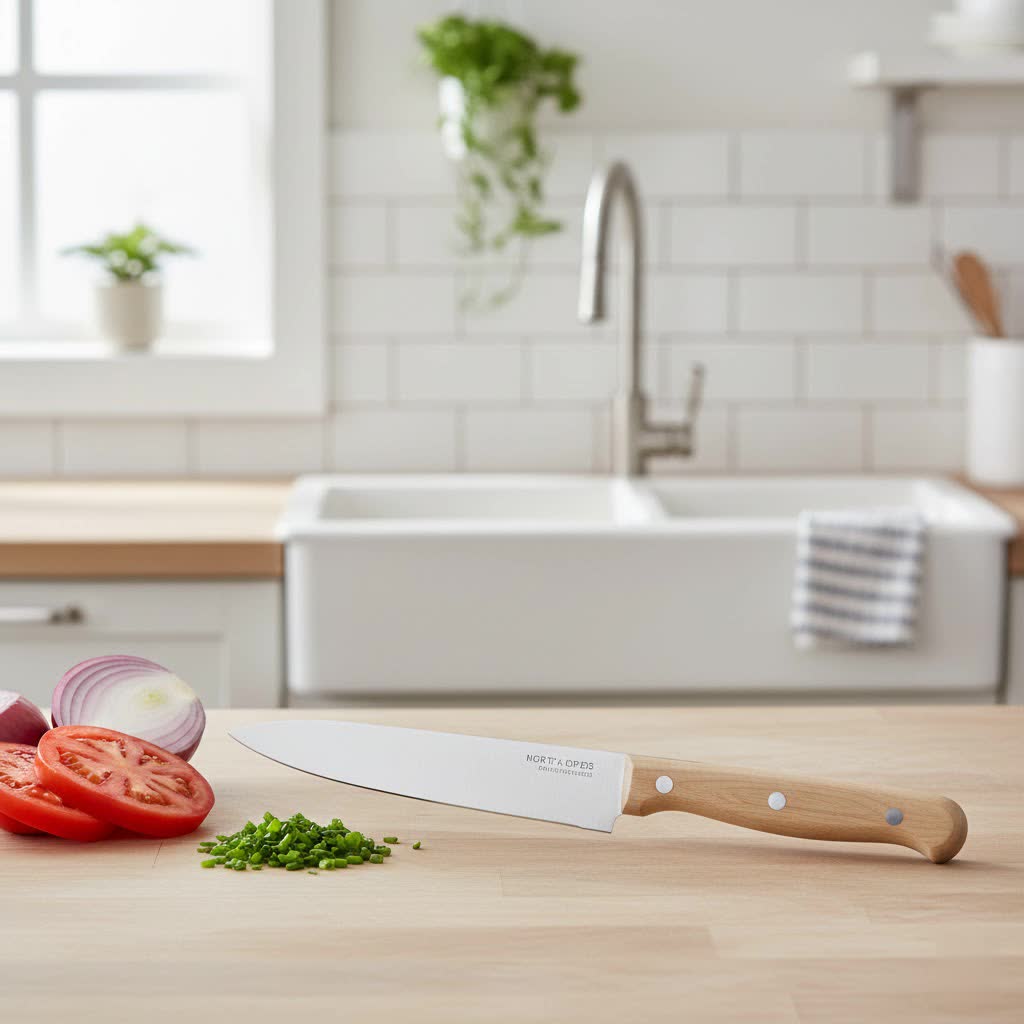
For any professional chef or commercial kitchen manager, selecting the right knife set is paramount. These aren’t just tools; they are extensions of a chef’s skill, essential for precision, efficiency, and safety in a high-demand environment. Investing in a quality professional knife set is a foundational decision that impacts everything from food preparation to the longevity of your kitchen operations. This guide will walk you through the essential aspects of choosing, understanding, and maintaining the best knife sets for commercial use.
Essential Knife Types in a Professional Set
A well-rounded professional knife set typically includes a variety of blades, each designed for specific culinary tasks. Understanding these fundamental types ensures your kitchen is equipped for any challenge.
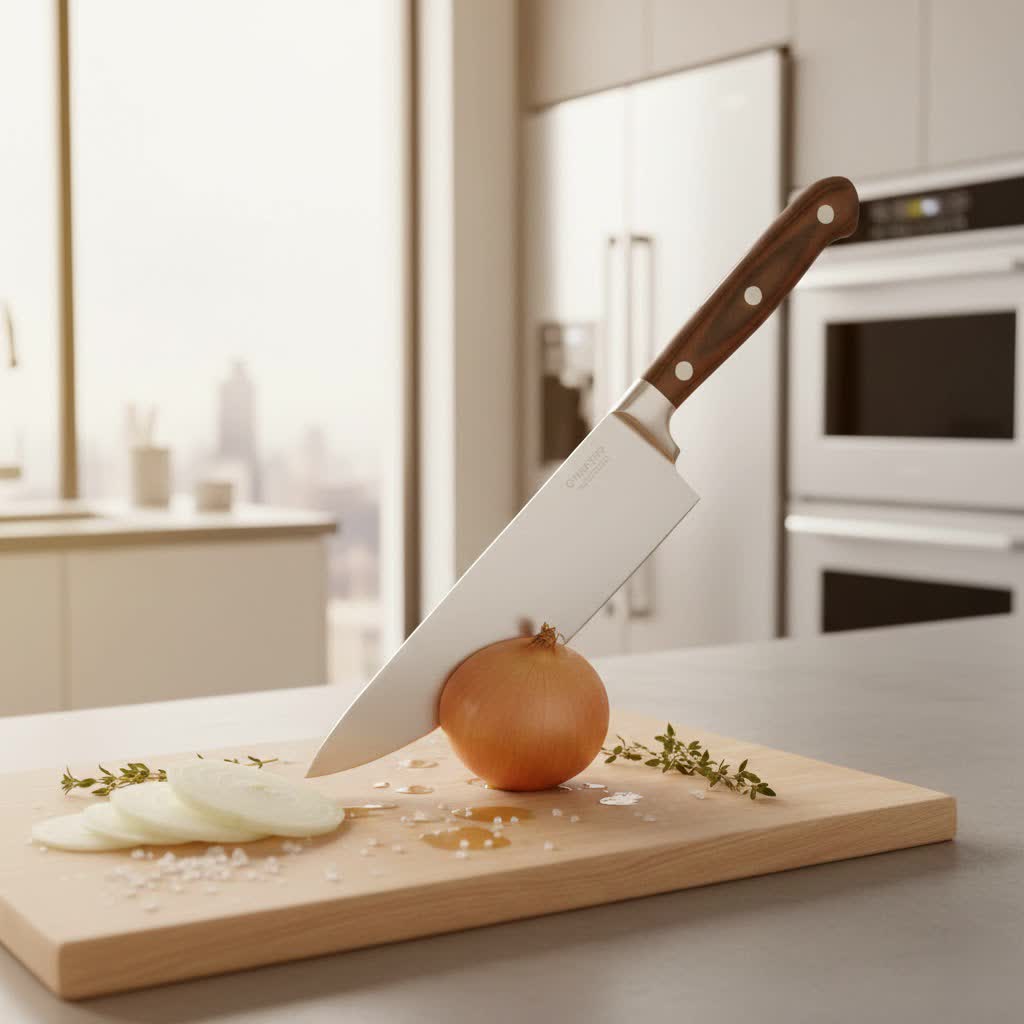
- Chef’s Knife (Cook’s Knife): Often considered the workhorse of the kitchen, this versatile knife is used for chopping, slicing, dicing, and mincing a wide array of ingredients. Its curved blade allows for a rocking motion, making it highly efficient for general prep work.
- Slicing Knife: Characterized by its long, thin blade, a slicing knife is ideal for cutting larger roasts, poultry, or fish into uniform slices. Its design minimizes friction, resulting in smooth, clean cuts.
- Serrated Knife (Bread Knife): With its saw-like edge, this knife effortlessly cuts through items with tough exteriors and soft interiors, such as bread, tomatoes, or pastries, without crushing them.
- Paring Knife: Small and agile, the paring knife is perfect for intricate tasks like peeling fruits and vegetables, trimming, and creating delicate garnishes. Its short blade offers superior control for precise work.
- Utility Knife: Falling between a paring and a chef’s knife in size, the utility knife is highly adaptable for various small to medium-sized tasks, including slicing sandwiches, trimming meats, and cutting larger vegetables.
- Boning Knife: Featuring a thin, flexible blade, a boning knife is essential for separating meat from bone, allowing for precise maneuverability around joints and contours.
Comparing Popular Professional Knife Sets
When evaluating professional knife sets, several renowned brands stand out for their quality, durability, and performance in commercial settings. These brands often offer specific lines designed for the rigorous demands of professional kitchens.
| Brand | Blade Material | Key Features | Pros | Cons |
|---|---|---|---|---|
| Wüsthof | High-Carbon Stainless Steel | Forged blades, excellent balance, durable handles, robust German engineering. Known for precision and longevity. | Exceptional sharpness, outstanding edge retention, superior balance, ergonomic design, long lifespan. | Higher price point. |
| Zwilling J.A. Henckels | High-Carbon Stainless Steel | Forged construction, Friodur ice-hardened blades for enhanced durability and corrosion resistance, comfortable handles. Wide range of sets. | Very sharp, durable, good balance, excellent corrosion resistance. Offers self-sharpening blocks. | Can be heavy for some users, higher cost for premium lines. |
| Victorinox Fibrox Pro | High-Carbon Stainless Steel | Stamped blades, textured Fibrox handles for non-slip grip, lightweight, excellent value. Popular as a “workhorse” in commercial kitchens. | Affordable, very sharp out of the box, comfortable and secure grip even when wet, easy to maintain. | Edge retention not as long as premium forged knives, less aesthetic appeal than high-end options. |
| Global | CROMOVA 18 Stainless Steel | Unique seamless construction eliminates food traps, razor-sharp Japanese edges, distinctive dimpled handles for grip. Lightweight and precise. | Outstanding sharpness, hygienic design, excellent balance, lightweight, popular for precision work. | Unique handle style may not suit all users, requires specific sharpening angles. |
| Shun | VG-MAX or VG10 “Super Steel” | Hand-crafted in Japan, often featuring Damascus cladding, extremely sharp edges, thin blades. Known for aesthetics and superior cutting performance. | Exceptional sharpness, beautiful craftsmanship, excellent edge retention, precise cutting. | Very high price, delicate blades require careful handling, can be brittle if misused. |
| Dalstrong Gladiator Series | High-Carbon ThyssenKrupp German Steel | Ergonomic handles, full-tang blades, often comes with robust sheaths. Focuses on performance and aggressive marketing. | Good value for performance, diverse knife offerings, comfortable handles, strong customer community. | Quality can vary across product lines, some designs are very stylized which may not appeal to all professionals. |
| Mercer Culinary | High-Carbon Japanese or German Steel | NSF certified, often used in culinary schools. Offers durability and comfort at a reasonable price, particularly with their Millennia and Renaissance lines. | Excellent value, durable, ergonomic handles, widely available, easy to maintain. | Not as prestigious as top-tier German or Japanese brands, aesthetics are more functional than luxurious. |
Knife Material: Pros and Cons
The material of a knife’s blade significantly impacts its performance, durability, and maintenance requirements. Choosing the right material for a commercial kitchen involves weighing sharpness against resilience and ease of care.
Stainless Steel
Pros:
- Corrosion Resistant: Highly resistant to rust and staining, making it ideal for busy, humid kitchen environments.
- Low Maintenance: Easier to clean and requires less meticulous drying compared to high-carbon steel. Often dishwasher-safe (though hand washing is always recommended for longevity).
- Durable: Generally more flexible and less prone to chipping or breaking than ceramic blades.
Cons:
- Edge Retention: May lose its sharp edge faster than high-carbon steel, requiring more frequent honing and sharpening.
- Harder to Sharpen: Can be more challenging to get a razor-sharp edge compared to carbon steel.
High-Carbon Steel
Pros:
- Exceptional Sharpness: Can be sharpened to a finer, more precise edge than stainless steel, offering superior cutting performance.
- Superior Edge Retention: Holds a sharp edge for longer periods, reducing the frequency of sharpening.
- Easier to Sharpen: Often easier to resharpen effectively due to its specific metallic composition.
Cons:
- Rust-Prone: Highly susceptible to rust and staining if not cleaned and dried immediately after use. Requires diligent maintenance.
- Reacts with Food: Can react with acidic foods, potentially discoloring the blade and imparting a metallic taste to delicate ingredients.
- More Brittle: While hard, some high-carbon steels can be more brittle and prone to chipping if mishandled or used on hard surfaces.
Ceramic
Pros:
- Ultra-Sharp: Extremely hard material that can achieve and hold an incredibly sharp edge for a very long time.
- Lightweight: Much lighter than steel knives, reducing hand fatigue during extended use.
- Non-Reactive: Does not rust, stain, or react with acidic foods, preserving the taste and appearance of ingredients.
Cons:
- Fragile: Highly susceptible to chipping or shattering if dropped or used on hard surfaces.
- Difficult to Sharpen: Requires specialized sharpening tools or professional services, as standard sharpeners are ineffective.
- Limited Versatility: Not suitable for tasks involving twisting, prying, or cutting through bones.
Damascus Steel
Pros:
- Aesthetic Appeal: Features beautiful, distinctive layered patterns on the blade, making it visually striking.
- Sharpness and Edge Retention: Often made with a high-carbon core, providing excellent sharpness and good edge retention.
- Durability: The layering process can enhance the blade’s strength and flexibility.
Cons:
- High Price: Generally more expensive due to the intricate manufacturing process.
- Maintenance: Requires similar care to high-carbon steel to prevent rust if the core steel is not stainless.
Tips for Choosing the Right Professional Knife Set
Selecting the perfect professional knife set requires careful consideration of your kitchen’s specific needs and operational demands.
- Define Usage Needs: Consider the volume and type of food preparation your kitchen handles daily. Are you primarily slicing delicate fish, butchering large cuts of meat, or dicing vegetables in bulk? High-volume kitchens benefit from durable, easy-to-maintain knives.
- Set a Realistic Budget: Professional knife sets range widely in price. Determine a budget that aligns with your operational costs and the expected lifespan of the knives. Remember, a higher upfront investment often translates to better performance and durability in the long run.
- Assess Quantity and Variety: While a comprehensive set is good, focus on quality over quantity. Ensure the set includes the essential knives you’ll use most frequently and consider purchasing specialized knives individually as needed. Some chefs prefer to build their collection piece by piece.
- Prioritize Blade Material: Based on maintenance capacity and desired performance, choose between the excellent edge retention of high-carbon steel, the rust resistance of stainless steel, or the lightweight sharpness of ceramic. High-carbon stainless steel often strikes a good balance for commercial use.
- Evaluate Ergonomics and Balance: A knife should feel comfortable and balanced in hand, reducing fatigue and preventing accidents during long shifts. Test the grip, weight, and balance to ensure it suits the primary users.
- Research Reputable Brands: Stick to brands with a proven track record for quality and durability in commercial settings. Brands like Wüsthof, Zwilling J.A. Henckels, Victorinox, and Global are consistently recommended by professionals.
- Consider Storage Solutions: Professional sets often come with blocks or rolls. Ensure the storage method is hygienic, protects the blades, and is practical for your kitchen layout. Magnetic strips are also a popular choice for easy access and sanitation.
Essential Maintenance for Professional Knife Sets
Proper care and maintenance are crucial to extending the lifespan and performance of your professional knife set, especially in a demanding commercial environment.
- Hand Wash Immediately: Always hand wash knives with warm, soapy water immediately after use. Dishwashers can damage blades and handles due to harsh detergents, high heat, and potential jostling against other utensils.
- Dry Thoroughly: Promptly dry knives with a clean towel after washing. This is particularly important for high-carbon steel to prevent rust and staining.
- Store Safely: Protect your knife edges from damage and prevent accidents by storing them properly. Options include knife blocks, magnetic strips, in-drawer knife organizers, or knife rolls for transport. Never store knives loosely in a drawer where they can hit other utensils.
- Sharpen Regularly: A sharp knife is a safe knife. Maintain the edge with regular honing using a sharpening steel and periodically sharpen with a whetstone or engage a professional knife sharpening service. The frequency depends on usage and blade material, but a professional kitchen will require more frequent sharpening than a home kitchen.
- Use Appropriate Cutting Surfaces: Always cut on soft surfaces like wood or plastic cutting boards. Avoid hard surfaces such as glass, marble, or ceramic, which can dull or chip your blades quickly.
Renowned Professional Knife Brands
For over a decade, my hands-on experience in the culinary world, from bustling restaurant kitchens to intensive product evaluations, has reinforced the importance of reliable knife brands. Here are some of the names that consistently deliver the performance and durability commercial kitchens demand:
- Wüsthof: A German powerhouse, Wüsthof is celebrated for its precisely forged, full-tang blades that offer exceptional balance and edge retention. Their Classic and Classic Ikon lines are staples in professional kitchens worldwide.
- Victorinox: While often associated with their iconic Swiss Army knives, Victorinox produces incredibly practical and durable professional kitchen knives, particularly their Fibrox Pro series. These knives offer outstanding sharpness, comfort, and value, making them a favorite workhorse in many commercial settings.
- Zwilling J.A. Henckels: Another German giant, Zwilling offers a vast range of high-quality knives, known for their Friodur ice-hardened blades that provide superior sharpness, corrosion resistance, and elasticity. Their Professional S line is a top choice for chefs seeking robust, reliable performance.
- Global: Hailing from Japan, Global knives are distinctive for their seamless, all-steel construction, which not only looks sleek but also enhances hygiene. Their lightweight design and razor-sharp edges are favored for precision tasks and swift, agile cutting.
- Shun: Representing the pinnacle of Japanese craftsmanship, Shun knives are meticulously hand-forged, often featuring stunning Damascus patterns and exceptionally sharp, thin blades. They are prized by chefs who value precision, aesthetics, and superior cutting ability.
- Messermeister: This German brand is well-regarded for its robust, forged knives, offering an excellent alternative to other high-end European manufacturers. Their Meridian Elite line provides superb balance and comfortable handles for demanding tasks.
- Mercer Culinary: Widely used in culinary schools and commercial kitchens, Mercer knives offer impressive performance and durability at an accessible price point, often exceeding expectations for their cost.
Conclusion
Choosing the best professional knife set for commercial use is a strategic investment in your kitchen’s efficiency, safety, and culinary output. By understanding the different knife types, blade materials, and maintenance requirements, you can make an informed decision that will empower your team and elevate your cooking. Remember, a sharp, well-maintained knife is not just a tool; it’s a testament to professional dedication and a crucial component of any successful culinary operation.
What specific challenges does your commercial kitchen face that a new knife set could help overcome?
Frequently Asked Questions
What are the most essential knives for a professional kitchen?
A professional kitchen typically requires a chef’s knife, slicing knife, serrated knife, paring knife, and a boning knife. These core knives cover a wide range of preparation tasks from general chopping to intricate butchery.
How often should professional kitchen knives be sharpened?
The frequency of sharpening depends on usage, but in a busy commercial kitchen, knives should be honed daily with a sharpening steel and professionally sharpened or fully resharpened with a whetstone every few weeks to months, depending on wear.
Is it better to buy a knife set or individual knives for commercial use?
While sets offer convenience, many professionals prefer to buy individual knives. This allows for customization, ensuring each knife perfectly suits specific needs, preferences, and the unique demands of a commercial environment.
Why are some professional knives more expensive than others?
Higher-priced professional knives often feature superior blade materials like high-carbon stainless steel, meticulous hand-forging, advanced heat treatment, better ergonomics, and higher craftsmanship standards, all contributing to enhanced durability, sharpness, and edge retention.
Can professional knives be washed in a dishwasher?
No, professional knives should always be hand-washed immediately after use. Dishwashers can dull blades, damage handles, and increase the risk of rust or staining due to high temperatures, harsh detergents, and movement during cycles.