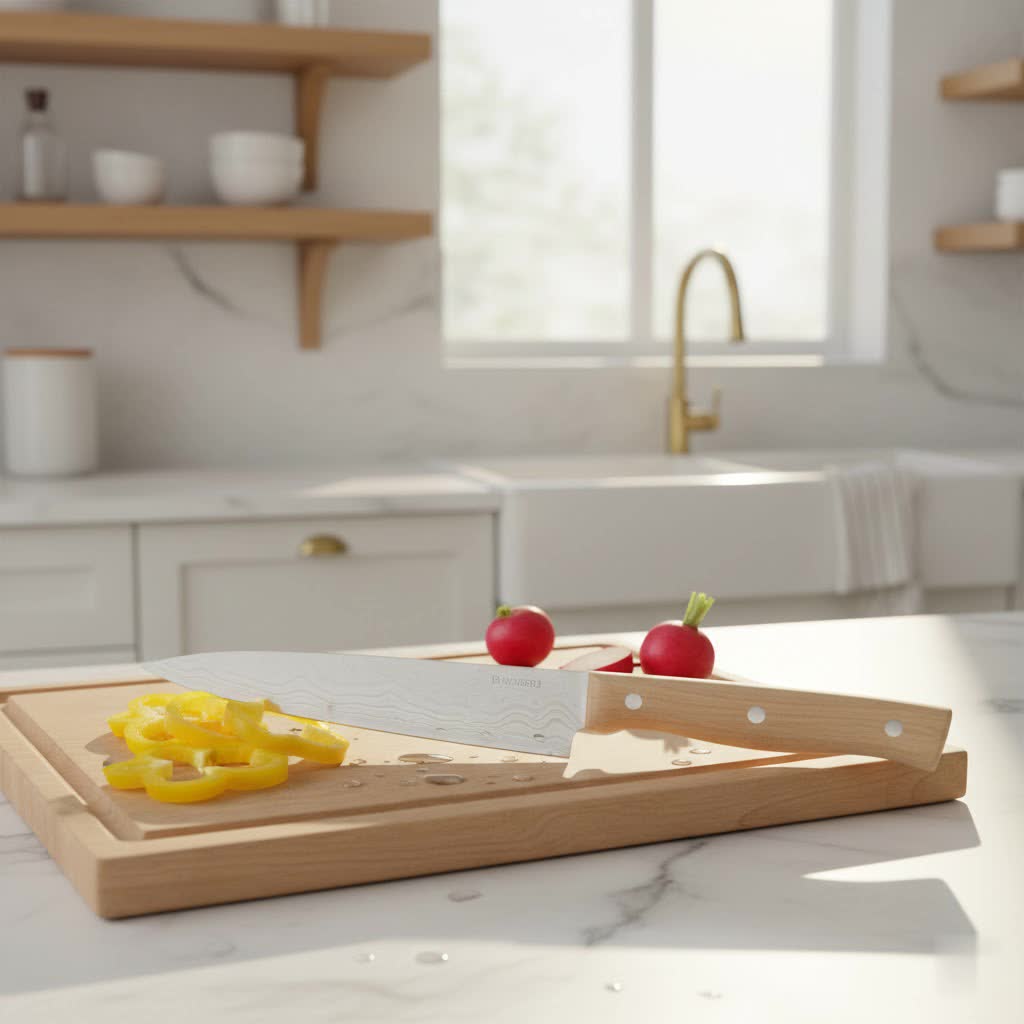
Stepping into the world of culinary arts, whether as a budding home cook or a seasoned enthusiast, often begins with the right tools. Among the most fundamental, and often the most intimidating, is the Kitchen Knife Set. Forget overwhelming blocks filled with dozens of specialized blades; for true kitchen mastery, a meticulously chosen 3-piece essential knife set provides unparalleled versatility and efficiency. This guide, drawing on decades of experience in the kitchen knife arena, will help you navigate the options, understand the nuances of blade materials, and empower you to select a starter knife set that feels like a natural extension of your hand.
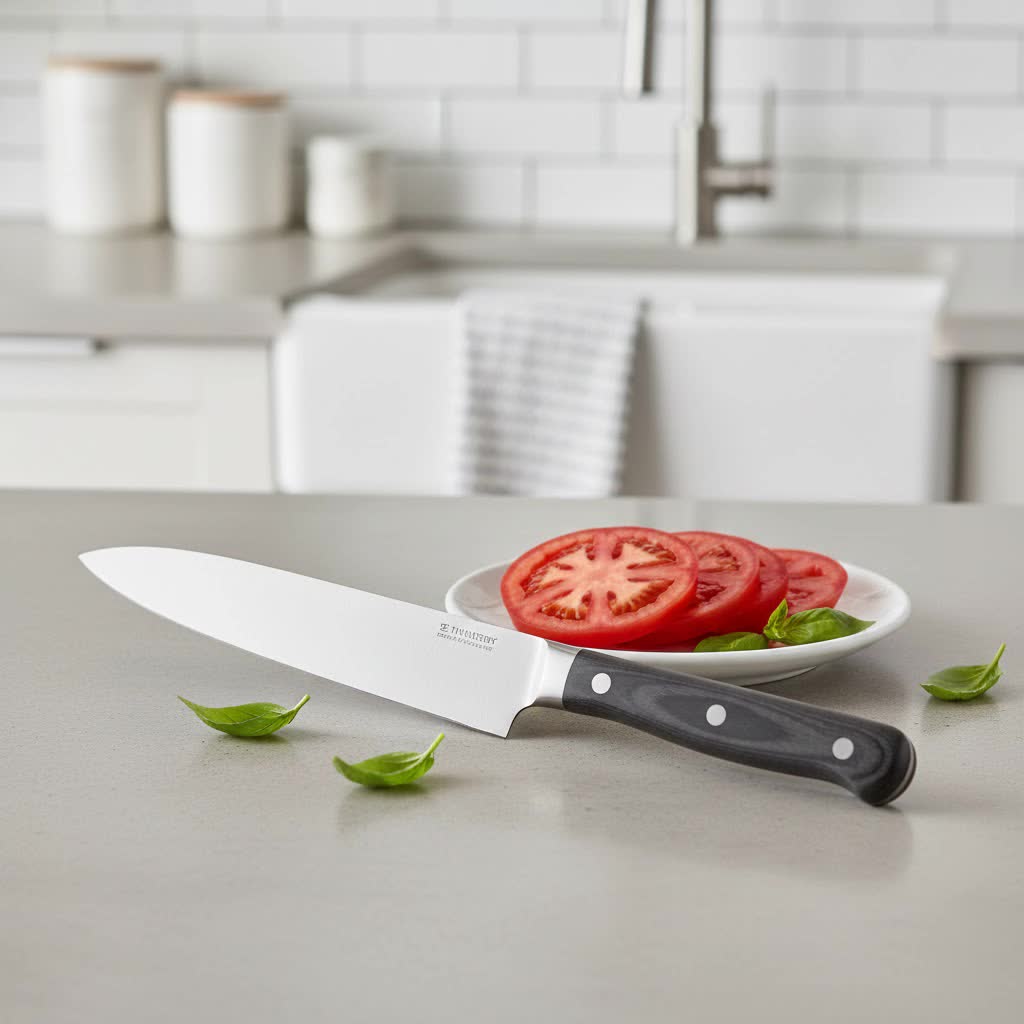
A thoughtfully curated starter knife set can transform your cooking experience, making prep work a joy rather than a chore. It’s not about owning the most knives, but the right knives—three indispensable blades that cover the vast majority of your kitchen tasks with precision and ease. From dicing vegetables to carving meats and slicing fresh bread, these core tools are the foundation upon which every great meal is built.
The Essential Trio: Understanding Your First Knife Set
When we talk about a 3-piece essential knife set, we’re focusing on the foundational tools that provide maximum utility without unnecessary bulk. These three knives form the backbone of any functional kitchen, allowing you to tackle a wide array of ingredients and preparation styles.
The Chef’s Knife: Your Kitchen Workhorse
Table is empty.The chef’s knife is undeniably the cornerstone of any knife collection, and it will quickly become your most used tool. Typically featuring an 8-inch blade, its broad, curved profile is designed for a rocking motion, making it ideal for everything from mincing herbs and dicing onions to slicing larger cuts of meat and chopping hearty vegetables. A good chef’s knife offers superb balance and a comfortable grip, crucial for extended periods of use. Its versatility means it can handle approximately 90% of your cutting tasks, proving its invaluable place in your essential kit.
The Serrated Slicing Knife: For Crusts and Delicates
Often referred to as a bread knife, the serrated slicing knife is characterized by its long, saw-like edge. This design allows it to glide effortlessly through foods with tough outer surfaces and soft interiors, preventing crushing. Think crusty loaves of bread, ripe tomatoes, delicate pastries, and even roasted meats with crispy skins. Its serrations create small points of contact that effectively “saw” through fibers, making clean cuts where a straight edge might tear.
The Paring Knife: Precision in Your Palm
Small yet mighty, the paring knife is designed for intricate and precise tasks that require fine control. With a blade typically ranging from 3 to 4 inches, it’s perfect for peeling fruits and vegetables, trimming fat, deveining shrimp, hulling strawberries, and other delicate work. Its compact size and maneuverability allow for detailed cuts that larger knives simply can’t achieve, making it an indispensable tool for garnishes and small-scale preparation.
Crafting the Blade: Common Knife Materials Explained
The material from which a knife is forged profoundly influences its performance, durability, and maintenance requirements. Understanding these characteristics is key to choosing a starter set that aligns with your cooking habits and care preferences.
Stainless Steel: Durability Meets Ease of Care
The most common material for kitchen knives, stainless steel, particularly high-carbon stainless steel, offers an excellent balance of properties. It is highly resistant to rust and corrosion, easy to clean, and generally affordable. German stainless steel is renowned for its durability and toughness, often preferred for its robust edge that resists chipping. Japanese stainless steel, while still durable, often boasts a harder composition, allowing for a sharper edge that holds its keenness for longer, albeit potentially being more prone to chipping if mishandled. These knives are a superb choice for beginners due to their low maintenance and robust performance.
AUS-10 Japanese Steel: The Edge of Excellence
A specific type of Japanese stainless steel, AUS-10, is celebrated for its impressive combination of toughness, corrosion resistance, and ability to achieve and maintain a razor-sharp edge. Knives crafted from AUS-10 steel often strike a desirable balance, offering the performance characteristics typically associated with premium Japanese blades while retaining a user-friendly degree of durability. For a starter set, knives made from this material offer a significant upgrade in cutting performance.
While other materials like carbon steel and ceramic exist, they are less commonly found in essential 3-piece starter kits due to specific characteristics. Carbon steel offers exceptional sharpness and edge retention but is highly susceptible to rust and requires meticulous care, making it less ideal for beginners. Ceramic knives are incredibly lightweight, non-corrosive, and hold an edge for a very long time, but they are brittle and prone to chipping or breaking if dropped or used on hard surfaces. For a versatile and forgiving first set, high-quality stainless steel remains the top recommendation.
Choosing Your Perfect Starter Knife Set: A Buyer’s Guide
Selecting your first essential knife set can feel daunting, but by focusing on a few critical factors, you can make an informed decision that will serve your culinary journey well.
Identify Your Culinary Needs
Before diving into brands and materials, consider your cooking frequency and the types of food you typically prepare. Are you a daily cook who tackles diverse ingredients, or do you mostly prepare simple meals? A 3-piece set is designed to be universally applicable, but understanding your own kitchen habits will solidify its value. Resist the urge to buy a large, comprehensive block if you only need the basics; you’ll often find many pieces remain unused, taking up valuable counter space.
Prioritize Quality Over Quantity
The adage “buy nice or buy twice” rings particularly true for kitchen knives. Investing in a high-quality 3-piece set, especially a superior chef’s knife, will pay dividends in performance and longevity. A well-made chef’s knife is an indicator of the overall quality of the set. Look for reputable brands known for their craftsmanship.
Ergonomics and Balance Are Paramount
A knife should feel like an extension of your hand, not an awkward tool. When selecting a set, pay close attention to the handle design and the knife’s balance. The handle should offer a comfortable, secure grip, even when wet. Test the balance by holding the knife; a well-balanced knife will feel neither blade-heavy nor handle-heavy. Full-tang construction, where the blade extends through the entire length of the handle, is a hallmark of quality, providing superior balance and durability.
Blade Sharpness and Edge Retention
A sharp knife is a safe knife, as it requires less force to cut, reducing the chance of slips. Your starter knives should arrive exceptionally sharp and maintain their edge with reasonable care. Consider the steel type, as harder steels generally hold an edge longer. However, harder steels can also be more challenging to sharpen and more brittle.
Budget Considerations
Quality knife sets are an investment, but there are excellent options across various price points. Determine a budget that allows you to purchase a durable, functional set without overspending. Remember that a slightly higher initial cost often translates to years of reliable service, making it more cost-effective in the long run than repeatedly replacing cheaper knives.
Check for Warranty and Support
A limited lifetime warranty, often offered by reputable manufacturers, indicates confidence in their product’s durability and craftsmanship. This can provide peace of mind, knowing your investment is protected against manufacturing defects.
Comparison Table: Top 3-Piece Essential Knife Sets
To help you visualize some popular and highly-regarded 3-piece essential knife sets, here’s a comparison of a few notable options that are excellent choices for beginners.
| Brand & Set Name | Knives Included | Material | Handle Type | Price Range (Approx.) | Pros | Cons |
|---|---|---|---|---|---|---|
| Victorinox Fibrox Pro | Chef’s Knife (8″), Serrated Utility, Paring Knife | High-Carbon Stainless Steel | Fibrox (non-slip) | $100 – $150 | Excellent value, exceptionally sharp, comfortable non-slip grip, NSF certified. | Less aesthetic appeal for some, Fibrox handle can feel less “premium.” |
| Misen 3-Piece Knife Set | Chef’s Knife (8″), Serrated, Paring Knife | AICHI AUS-10 Steel | Ergonomic, Polymer | $120 – $150 | Great quality for price, holds edge well, comfortable and balanced, modern aesthetic. | Handles can be a bit blocky for some preferences. |
| Global Cutlery Classic | Chef’s Knife (7″), Utility Knife (5″), Paring Knife (3.5″) | CROMOVA 18 Stainless Steel | Dimpled Metal | $250 – $350 | Ultra-sharp edge, lightweight, excellent balance, distinctive aesthetic, seamless construction. | Higher price point, metal handle may feel less secure for those with wet hands. |
| Our Place Knife Trio | Everyday Chef’s Knife (8″), Serrated Slicing, Precise Paring | German Stainless Steel | Full-tang, Composite | $150 – $180 | Beautiful design, full-tang for balance, sharp blades, covers all essential tasks. | Newer brand, long-term durability comparisons are ongoing, specific aesthetic may not suit everyone. |
Maintaining Your Investment: Knife Care Tips
Proper care is not just about extending the life of your knife set; it’s also crucial for safety and optimal performance. A well-maintained knife is a joy to use, while a neglected one can be dangerous and frustrating.
Hand Washing and Immediate Drying
Always wash your knives by hand with warm, soapy water immediately after use. Dishwashers can be detrimental to knife blades and handles due to harsh detergents, high heat, and potential jostling against other utensils. After washing, thoroughly dry each knife with a clean towel. This prevents water spots, staining, and, crucially, rust, especially on high-carbon stainless steel blades.
Proper Storage Prevents Damage
Storing your knives correctly protects their sharp edges and keeps them safely out of the way. Options include:
- Knife Blocks: A traditional and popular choice, but ensure the slots are clean and dry.
- Magnetic Strips: A convenient and space-saving option that keeps knives visible and accessible.
- In-Drawer Knife Organizers: Ideal for keeping blades protected and hands safe in a drawer.
Avoid simply tossing knives into a drawer with other utensils, as this dulls edges and poses a safety hazard.
Regular Sharpening and Honing
Even the highest quality knives will eventually lose their razor edge with use.
- Honing: Use a honing steel frequently (every few uses) to realign the blade’s edge. This doesn’t remove metal but straightens the microscopic edge that has bent over time.
- Sharpening: Periodically (every few months, depending on use), true sharpening will be necessary to remove a small amount of metal and create a new, sharp edge. This can be done with a whetstone, pull-through sharpener, or by a professional. Learning basic whetstone techniques can be incredibly rewarding.
“The true measure of a chef isn’t just in their cooking, but in the care they give their tools. A sharp knife is not only more efficient but also significantly safer.”
Mind Your Cutting Surfaces
Always use cutting boards made of wood, bamboo, or high-density plastic. Avoid cutting directly on hard surfaces like glass, ceramic, stone countertops, or metal, as these can quickly dull or even chip your knife’s edge. A softer surface absorbs the impact of the blade, preserving its sharpness.
Renowned Brands for Starter Knife Sets
Many brands offer excellent entry-level knife sets that embody quality and performance. Here are a few that consistently earn high marks for their starter offerings:
- Victorinox: Widely celebrated for their Fibrox Pro line, Victorinox knives offer exceptional sharpness, durability, and ergonomic handles at an accessible price point, making them a favorite among culinary students and home cooks alike.
- Wüsthof: A German powerhouse, Wüsthof produces premium forged knives known for their precision, balance, and classic European styling. While their full sets can be pricey, their 3-piece starter sets (often including a chef’s, paring, and serrated utility knife) are a worthy investment.
- Misen: A newer direct-to-consumer brand, Misen has quickly gained a reputation for offering high-quality, well-balanced knives with excellent edge retention, often at a more competitive price than traditional brands.
- Global: Hailing from Japan,