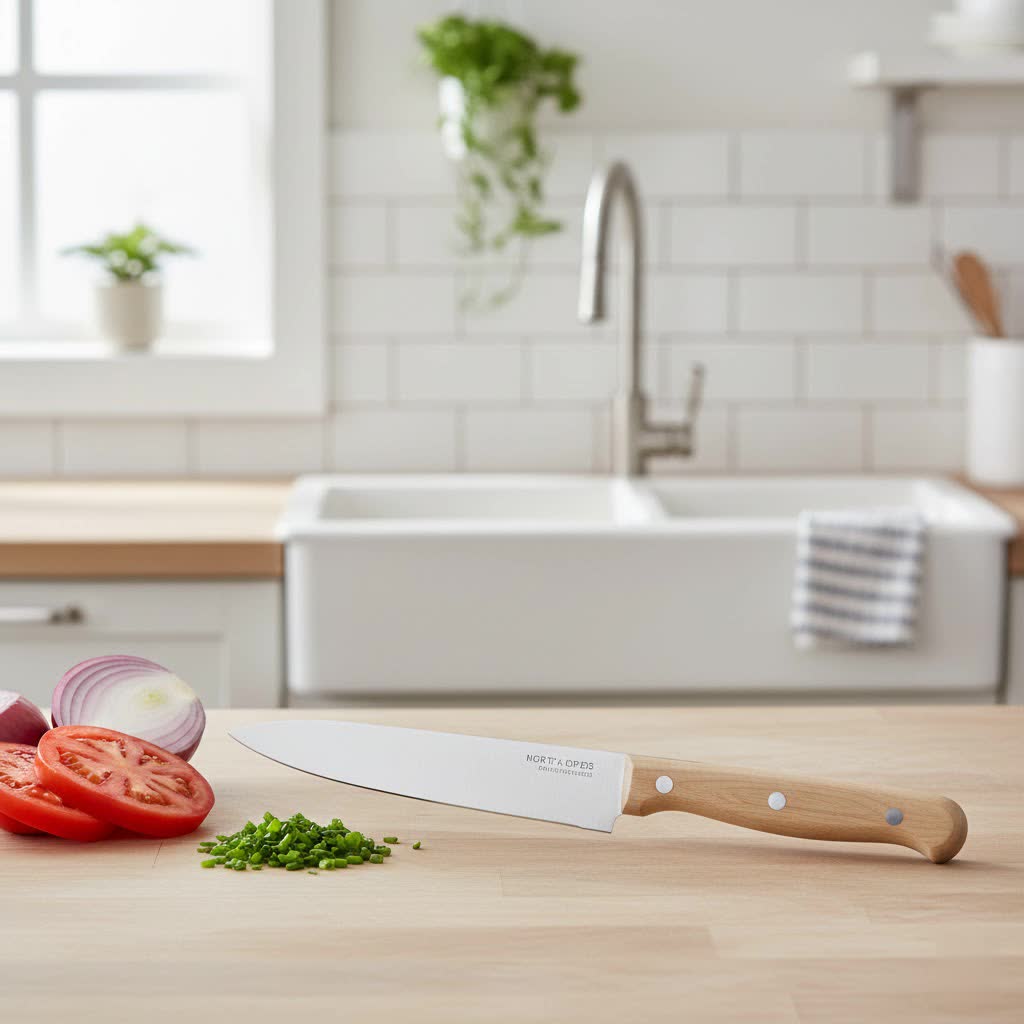
Embarking on a culinary journey, whether as a student honing your skills or a home cook discovering a passion for the kitchen, begins with the right tools. A high-quality knife set is more than just a collection of blades; it’s an extension of your hand, a foundation for precision, and a crucial partner in unlocking your culinary potential. But with a vast array of options, how do you choose the best knife sets for culinary students and beginners? This comprehensive guide cuts through the confusion, offering insights and recommendations to equip you with confidence, safety, and efficiency from your very first chop.
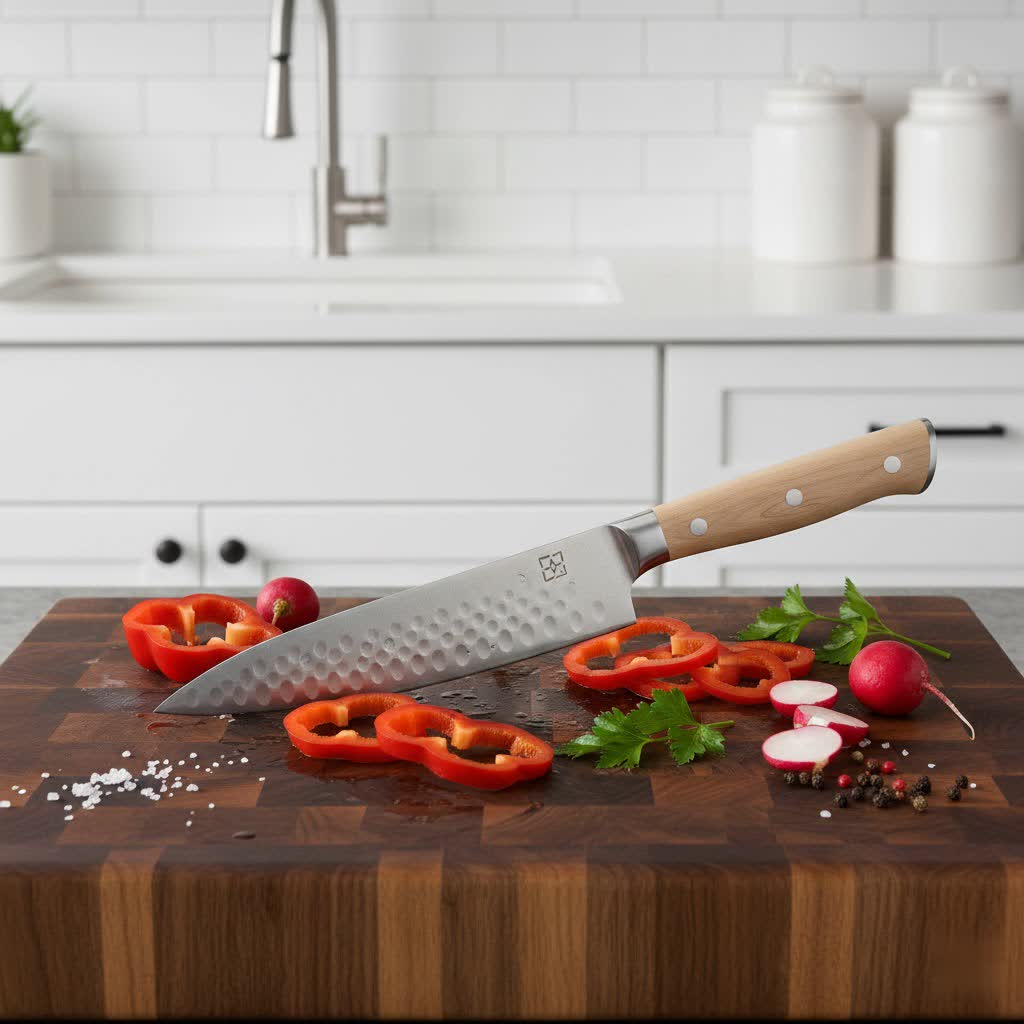
Choosing Your Perfect Culinary Companion: A Comprehensive Guide
For anyone new to the world of cooking, selecting a knife set can feel overwhelming. The key is to understand what you truly need, what materials offer the best performance, and how to maintain your investment for years of delicious meals. Let’s delve into the specifics to help you make an informed decision.
Essential Knife Types in a Starter Set
A well-rounded knife set for culinary students and beginners focuses on versatility and utility, ensuring you have the right blade for the most common kitchen tasks. You don’t need dozens of specialized knives; a core collection will suffice.
- Chef’s Knife: This is the undisputed workhorse of any kitchen. Typically 8 to 10 inches long, its broad, curved blade is designed for chopping, slicing, dicing, and mincing a wide variety of ingredients, from vegetables to meats. It’s the most versatile knife you’ll own.
- Paring Knife: Small and agile, usually 3 to 4 inches, the paring knife is perfect for intricate tasks. Think peeling fruits and vegetables, trimming garnishes, deseeding peppers, or deveining shrimp. Its size offers exceptional control for delicate work.
- Serrated Knife (Bread Knife): With its scalloped edge, this knife glides effortlessly through foods with tough exteriors and soft interiors, like crusty bread, ripe tomatoes, or even delicate cakes, without crushing them. A common length is 8 to 10 inches.
- Utility Knife: Falling between a chef’s knife and a paring knife, a utility knife (4 to 6 inches) is highly versatile for mid-sized tasks. It’s great for slicing sandwiches, cutting larger vegetables where a paring knife is too small, or trimming meats where a chef’s knife is too cumbersome.
- Boning Knife: Culinary students will find a boning knife (5 to 6 inches, thin and flexible) indispensable for separating meat from bone, trimming fat, and preparing poultry or fish with precision. Its flexibility allows it to contour around bones effectively.
- Kitchen Shears: Often overlooked but incredibly useful, kitchen shears can snip herbs, open food packaging, trim poultry, or even cut twine. They add significant convenience and safety to many kitchen tasks.
|
Our Picks for the Best Kitchen knife set in 2026
As an Amazon Associate I earn from qualifying purchases.
|
||
| Num | Product | Action |
|---|---|---|
| 1 | Knife Set, Astercook 15 Pieces Knife Sets for Kitchen with Block, Dishwasher Safe Kitchen Knife Set with Built in Sharpener Block, German Stainless Steel Knife Block Set, Valentine's Gift |

|
| 2 | Cuisinart 15-Piece Knife Set with Block, High Carbon Stainless Steel, Forged Triple Rivet, White, C77WTR-15P |
|
| 3 | 16 Piece Kitchen Knife Set with Block & Cutting Board, German Stainless Steel Knife Set with Heat-Sealed Over-molded Handles, Dishwasher Safe & Anti-Flaking Non-Stick Coating, Black |
|
| 4 | ZWILLING Pro RCF 5-pc Magnetic Knife Block Set, Natural |
|
| 5 | XYJ Authentic Since 1986, Kitchen Knife Set with Wooden Magnetic Knife Block, Scissors, Honing Steel, Peeler, Gloves, Vegetable Slicer Cooking Bread Butcher Chef Knives |
|
| 6 | Knife Set, Astercook 21 Pieces Knife Sets for Kitchen with Block, Dishwasher Safe Kitchen Knife Set with Built-in Sharpener, German Stainless Steel Black Knife Block Set |
|
| 7 | Ninja K32017 Foodi NeverDull Premium Knife System, 17 Piece Knife Block Set with Built-in Sharpener, German Stainless Steel Knives, Black |
|
| 8 | HENCKELS Statement 15-Piece Knife Set, Natural Wood Knife Block Set, Razor-Sharp Kitchen Knives, Lightweight, Dishwasher Safe |
|
| 9 | Amazon Basics 14-Piece High Carbon Stainless Steel Kitchen Knife Set with Full Tang Construction, Ergonomic Handles, Sharpener and Pinewood Block, Black |
|
| 10 | Astercook Knife Set, 13 Pieces Kitchen Knives Set with Healthy Anti-Rust Coating, Dishwasher Safe, Stainless Steel Chef Knife Sets with 6 Blade Guards, Perfect Holiday Gifts for Kitchen |
|
Comparing Popular Knife Sets for Beginners
When evaluating knife sets, consider not just the number of pieces but also the quality, ergonomics, and included accessories. Here’s a comparative look at common offerings, focusing on what makes them suitable for new cooks.
| Brand | Key Features | Pros for Beginners | Cons for Beginners | Typical Price Range |
|---|---|---|---|---|
| Victorinox Fibrox | High-carbon stainless steel, ergonomic Fibrox handle, sharp, durable. Often sold individually or in small sets. | Excellent value, comfortable, razor-sharp, durable. | Aesthetics might be purely functional. | $-$$ |
| Wüsthof Gourmet | Stamped high-carbon stainless steel, full tang, classic design. | Renowned brand quality, excellent edge retention, balanced. | Higher initial cost than some entry-level brands. | $$-$$$ |
| Zwilling J.A. Henckels | Forged or stamped high-carbon stainless steel, diverse sets, some with self-sharpening blocks. | Reputable brand, comfortable handles, self-sharpening options are convenient. | Can be a significant investment for larger sets. | $$-$$$ |
| Cuisinart | Stainless steel blades, often includes blade guards, wide variety of sets. | Very budget-friendly, good starter variety, often lightweight. | Edge retention may not match premium brands, lighter feel. | $ |
| Mercer Culinary | NSF-certified, high-carbon Japanese or German steel, often with Santoprene handles or knife rolls. | Professional-grade for culinary students, good value, durable. | Designs can be more utilitarian. | $-$$ |
| Ninja Foodi | Integrated knife sharpeners, stainless steel, modern design. | Built-in sharpening simplifies maintenance for beginners. | Fewer pieces in some sets, can be bulky. | $$-$$$ |
Price Range Key: $ = Budget-friendly, $$ = Mid-range, $$$ = Premium entry-level
Understanding Knife Materials: Pros and Cons
The material of your knife blade significantly impacts its performance, durability, and maintenance requirements.
- High-Carbon Stainless Steel: This is the most common and widely recommended material for beginner knife sets.
- Pros: It offers a good balance of sharpness, edge retention, rust resistance, and ease of maintenance. It’s durable and doesn’t chip easily.
- Cons: Can still rust if not cared for properly, and may require regular honing to maintain its edge.
- Carbon Steel: Prized by some professional chefs for its exceptional sharpness and ability to hold a fine edge.
- Pros: Achieves an incredibly sharp edge and is easy to resharpen. Develops a unique patina over time.
- Cons: Highly susceptible to rust and discoloration if not cleaned and dried immediately after use. Requires more diligent maintenance. Not ideal for beginners without proper guidance.
- Ceramic: Known for being incredibly sharp and non-reactive.
- Pros: Extremely sharp, holds its edge for a very long time, and is lightweight. It won’t react with acidic foods or transfer metallic tastes.
- Cons: Very brittle and prone to chipping or breaking if dropped or used on hard surfaces. Difficult to sharpen at home without specialized equipment. Generally not recommended as a primary set for beginners due to fragility.
- Damascus Steel: Characterized by its distinctive wavy pattern, created by folding and forging different types of steel.
- Pros: Visually stunning, often very sharp, and can have excellent edge retention depending on the core steel.
- Cons: Typically much more expensive and the aesthetic benefit may not justify the cost for a beginner. Maintenance can be more involved.
“For culinary students, prioritizing function over flash is essential. A robust, high-carbon stainless steel chef’s knife and a reliable paring knife will serve you far better than a complete set of delicate, high-maintenance blades.”
Essential Tips for Choosing the Right Knife Set
Making the right choice involves more than just picking a brand or a price point. Consider these factors to ensure your knife set truly meets your needs.
- Assess Your Usage Needs: How often will you cook? What types of food do you prepare most? A student or frequent home cook will benefit from a more comprehensive, durable set, while a casual cook might only need the absolute essentials.
- Define Your Budget: Quality knives are an investment. While high-end sets exist, many excellent beginner-friendly options offer great performance without breaking the bank. Don’t be afraid to start with fewer high-quality knives and expand later.
- Prioritize Comfort and Balance: A knife should feel like a natural extension of your hand. Look for ergonomic handles that offer a secure, comfortable grip, reducing fatigue and preventing accidents. The balance point should ideally be where the blade meets the handle for optimal control. Test different knives if possible.
- Consider Storage: Knife blocks, magnetic strips, and knife rolls (especially for culinary students needing portability) are excellent for safe storage, protecting both the blades and your fingers. Some sets come with integrated storage, or you might need to purchase it separately.
- Look for Ease of Maintenance: For beginners, features like self-sharpening blocks or blades made of forgiving materials can be a huge plus. Understand that all knives require maintenance, but some demand more attention than others.
- Read Reviews and Trust Reputable Brands: Brands like Victorinox, Wüsthof, Zwilling J.A. Henckels, and Mercer Culinary consistently receive high praise for quality and durability in entry-level and professional lines.
Mastering Knife Care: Maintaining Your Culinary Tools
Proper care is paramount for extending the lifespan and performance of your knife set, ensuring they remain sharp and safe to use.
- Hand Wash Only: Always wash your knives by hand with warm, soapy water immediately after use. Dishwashers can dull blades, damage handles, and create opportunities for rust due to harsh detergents and high heat.
- Dry Immediately: After washing, thoroughly dry your knives with a clean towel. Leaving them to air dry can lead to water spots or rust, especially with high-carbon steel.
- Store Properly: Protect your blades from dings and dulling by storing them in a knife block, on a magnetic strip, in a knife roll, or with individual blade guards. Avoid tossing them unprotected in a drawer, which can damage edges and pose a safety risk.
- Hone Regularly: A honing rod (often mistakenly called a sharpener) realigns the microscopic edge of a blade, keeping it sharp between sharpening sessions. A few strokes before or after each use can make a significant difference.
- Sharpen When Needed: When honing no longer restores the edge, your knife needs sharpening. This removes a small amount of metal to create a new, keen edge. Consider professional sharpening or invest in a quality sharpening stone or a reliable electric sharpener.
- Use Appropriate Cutting Surfaces: Always cut on soft surfaces like wood or high-density plastic cutting boards. Avoid glass, stone, or metal surfaces, which can rapidly dull or damage your knife’s edge.
Renowned Brands for Quality Kitchen Knives
Several brands have earned a stellar reputation for producing high-quality knife sets suitable for culinary students and beginners.
- Wüsthof: A German brand known for precision-forged, durable knives with excellent edge retention and classic designs. Their Gourmet and Classic lines offer great entry points.
- Victorinox: The Swiss brand, famous for its Swiss Army knives, produces incredibly sharp, comfortable, and affordable kitchen knives, especially their Fibrox line, which is a favorite among culinary professionals.
- Zwilling J.A. Henckels: Another German powerhouse, offering a wide range of knife sets from budget-friendly stamped blades to high-end forged options, often featuring innovative self-sharpening blocks.
- Global: A Japanese brand recognized for its distinctive dimpled handles and razor-sharp, lightweight stainless steel blades. While some sets can be pricier, they offer exceptional performance.
- Shun: Known for their exquisite Japanese craftsmanship, Shun knives feature incredibly sharp, hard steel blades and beautiful designs. They represent a higher-end investment but deliver professional-grade results.
- Mercer Culinary: A go-to brand for culinary schools and professional kitchens, offering NSF-certified knives that balance performance, durability, and affordability, often available in convenient knife rolls.
Conclusion
Choosing the best knife sets for culinary students and beginners is a foundational step toward mastering the art of cooking. By understanding the essential knife types, considering blade materials, and focusing on comfort, balance, and proper maintenance, you can select a set that will not only enhance your skills but also bring joy and efficiency to every meal preparation. Remember, a sharp knife is a safe knife, and with the right tools in hand, your culinary journey is set for success.
What kind of dishes are you most excited to create with your new knife set?
Frequently Asked Questions
What are the three most important knives for a beginner cook?
For a beginner, the three most crucial knives are typically an 8-inch chef’s knife for general tasks, a 3.5-inch paring knife for detailed work, and a serrated knife for bread and soft produce. These three cover the vast majority of kitchen cutting needs.
Should I buy a knife set or individual knives as a beginner?
Both options have merits. A knife set offers convenience and cost efficiency, providing a cohesive collection of essential blades. Buying individual knives allows you to customize your collection with specific tools you love, but can be more expensive initially. For most beginners, a well-chosen starter set is often the best approach.
How often should a beginner sharpen their knives?
Beginners should aim to hone their knives with a honing rod every few uses to maintain the edge. Actual sharpening, which creates a new edge, depends on usage but is typically needed every 6-12 months for home cooks, or more frequently for culinary students.
What is the best blade material for beginner knives?
High-carbon stainless steel is highly recommended for beginners. It provides a good balance of sharpness, durability, edge retention, and resistance to rust, making it relatively easy to care for compared to pure carbon steel or brittle ceramic options.
How much should I spend on a beginner knife set?
You can find excellent beginner knife sets ranging from $50-$200. While budget-friendly options exist, investing a bit more (e.g., $100-$150) often yields significantly better quality, durability, and comfort, which are crucial for learning proper technique and preventing frustration.