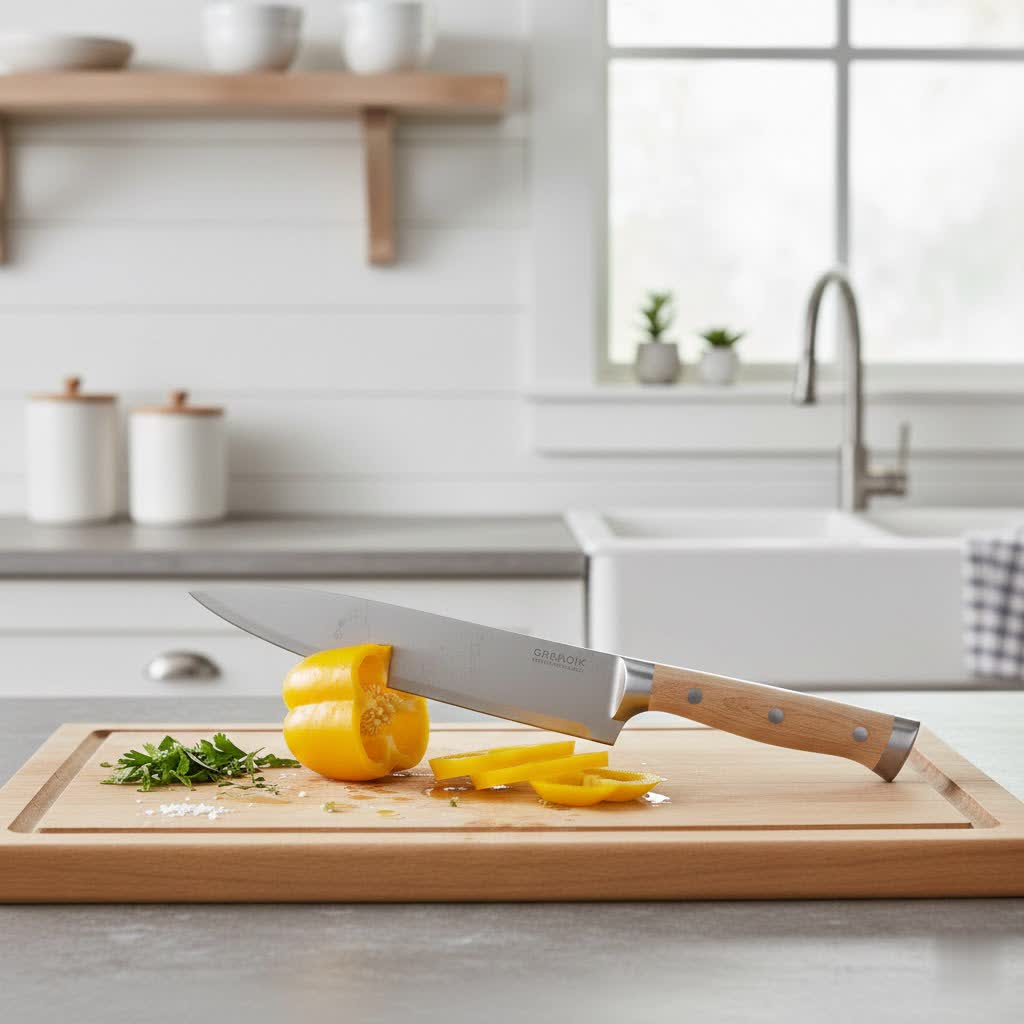
Carbon steel knives are renowned for their exceptional sharpness, ease of honing, and the satisfying heft they bring to any culinary task. However, this superior performance comes with a unique responsibility: vigilance against rust. Unlike their stainless steel counterparts, carbon steel blades are highly susceptible to corrosion, making proper care, especially for long-term storage, absolutely essential. If you’re a proud owner of these magnificent tools, understanding how to effectively oil and store them is key to ensuring they remain pristine and ready for action, rather than falling victim to the dreaded reddish-brown enemy. This comprehensive guide will walk you through the precise steps and best practices to protect your carbon steel knives, preserving their legacy for years to come.
The Unique Needs of Carbon Steel: A Rusting Reality
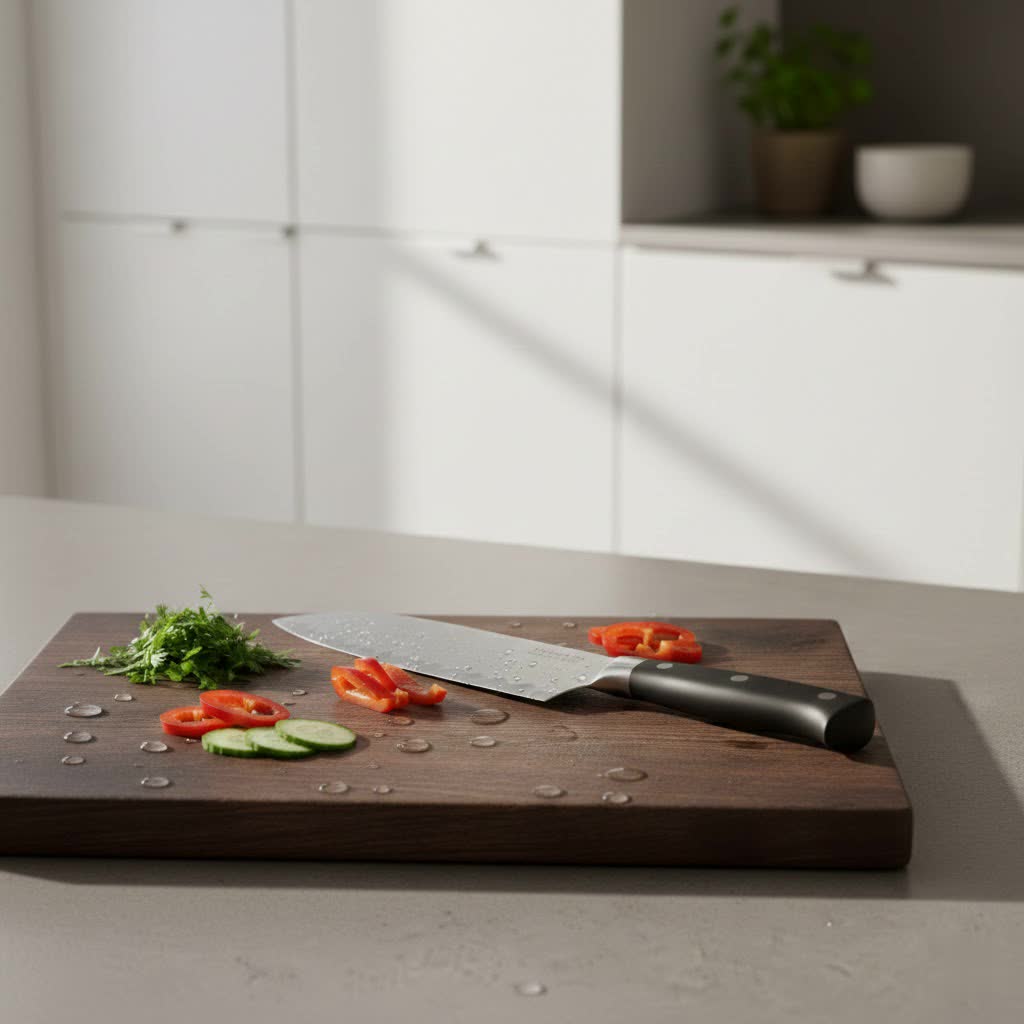
Carbon steel’s remarkable ability to achieve and hold a razor-sharp edge stems from its high iron content. While this makes for an outstanding cutting tool, it also leaves the blade vulnerable. When exposed to moisture and oxygen, the iron in carbon steel undergoes a process called oxidation, leading to rust. This corrosion not only mars the knife’s appearance but can also degrade the steel, pitting the blade and compromising its structural integrity and cutting performance. For knives used daily, consistent cleaning and immediate drying are often enough, but for periods of extended storage, an additional, robust layer of protection is non-negotiable.
Choosing the Right Oil for Long-Term Protection
Selecting the appropriate oil is the cornerstone of effective carbon steel knife preservation. Not all oils are created equal, and some common household varieties can actually do more harm than good in the long run.
The best choices are:
- Food-Grade Mineral Oil: This is overwhelmingly the most recommended option. Mineral oil is non-toxic, clear, odorless, and flavorless, making it ideal for kitchen tools. Crucially, it is chemically stable and will not go rancid over time, forming a durable barrier against moisture without breaking down or becoming sticky.
- Camellia Oil (Tsubaki Oil): A traditional favorite in Japanese kitchens, camellia oil is a plant-based oil rich in antioxidants. It’s known for its ability to penetrate the metal surface effectively, providing excellent rust and corrosion prevention while maintaining the blade’s luster.
- Fractionated Coconut Oil: While regular coconut oil can be used, fractionated coconut oil is superior for knife care. It remains liquid at room temperature, has a longer shelf life, and possesses natural antimicrobial properties. It forms a reliable shield against moisture and air without the risk of rancidity associated with some other cooking oils.
- Beeswax: Often used in conjunction with oils, beeswax provides an enhanced, long-lasting barrier. It’s particularly effective for creating a robust protective layer for knives destined for very long storage.
Oils to Avoid:
- Cooking Oils (e.g., Olive Oil, Vegetable Oil, Canola Oil): While seemingly convenient and food-safe, most cooking oils are organic and prone to oxidation, meaning they can go rancid over time. This leads to unpleasant odors, sticky residues, and can even attract bacteria, ultimately failing to provide adequate long-term protection.
- Petroleum-Based Products (unless specified as food-safe): Products like WD-40 or general gun oils are not intended for use on food preparation tools unless explicitly labeled as food-grade. They can contain harmful chemicals that should not come into contact with your food.
Step-by-Step Guide: Oiling Your Carbon Steel Knife for Storage
Proper application is as important as choosing the right oil. Follow these steps to prepare your carbon steel knife for extended storage:
- Thorough Cleaning: Before oiling, the knife must be absolutely clean. Wash the blade immediately after its last use with warm water and a mild dish soap. Avoid abrasive sponges that could scratch the surface. Pay attention to any food residues, especially from acidic ingredients, which can accelerate corrosion.
- Impeccable Drying: This is the most critical step. After washing, thoroughly dry the entire knife – blade, bolster, tang, and handle – with a clean, soft cloth or towel. Any lingering moisture, even microscopic droplets, will be trapped under the oil layer and promote rust. Some experts even recommend a quick pass with a hairdryer to ensure complete dryness, especially around the handle and rivets.
- Apply a Thin, Even Coat: Dispense a small amount of your chosen food-safe oil onto a clean, lint-free cloth or paper towel. Start by applying it to the blade, working from the spine down to the edge, covering both sides. Ensure the oil reaches every crevice, including the choil and tang, if exposed.
- Don’t Forget the Handle and Fittings: If your knife has a wooden handle, it will also benefit from a light coating of oil to prevent drying out and cracking. For metal bolsters or ferrules, ensure they are also lightly coated to prevent rust where the blade meets the handle.
- Wipe Away Excess: After applying the oil, take a fresh, clean, dry cloth and gently wipe off any excess. You want a thin, uniform film that provides a protective barrier, not a thick, gummy layer that can attract dust and debris. The blade should look lightly oiled, not greasy.
Optimal Storage Practices to Complement Oiling
Oiling is a vital preventative measure, but it’s most effective when combined with smart storage solutions. The environment where your knives reside significantly impacts their longevity.
- Dry and Stable Environment: Store your oiled carbon steel knives in a cool, dry place with stable humidity and temperature. Avoid areas prone to moisture fluctuations, like near a sink, dishwasher, or in a damp basement. High humidity is a carbon steel knife’s worst enemy.
- Consider Desiccants: For an extra layer of protection, particularly in humid climates, place silica gel packets in your knife drawer or storage container. These small packets actively absorb moisture from the air, creating a drier micro-environment for your blades.
- Safe Storage Solutions:
- Wooden Knife Blocks or Sheaths: These can be good for protection, but ensure they are completely dry inside. For long-term storage, some knife enthusiasts prefer to store knives outside of their wooden sheaths, as wood can sometimes retain moisture.
- Knife Rolls/Cases: Ideal for transport or storing a collection, but again, ensure the knives are thoroughly dry and oiled before placing them inside.
- Magnetic Knife Strips: Generally safe, as they allow air circulation. However, ensure the knife is completely dry and oiled before placing it on the strip, and that the strip itself is in a dry location.
- Avoid:
- Dishwashers: Never put carbon steel knives in a dishwasher. The harsh detergents, high heat, and prolonged exposure to moisture will almost certainly lead to immediate rusting and can damage wooden handles or the blade’s heat treatment.
- Damp Sheaths: Leather or synthetic sheaths can trap moisture against the blade, creating a perfect breeding ground for rust. Only use sheaths for short-term transport, and ensure both the knife and sheath are dry before use.
Understanding Patina and Its Role
As you use a carbon steel knife, especially with acidic foods, it will naturally develop a dark, mottled discoloration on its surface called a patina. This isn’t rust; rather, it’s a stable form of oxidation that can actually offer a degree of protection against more damaging red rust. Many chefs value the unique character a patina lends to their knives.
While a healthy patina provides some natural defense, it does not negate the need for oiling for long-term storage. Think of patina as a first line of defense, and oil as the reinforced barrier. For storage, always rely on a fresh coat of oil. Some enthusiasts even force a patina using substances like instant coffee or vinegar to jumpstart this protective layer, but remember to still oil the blade for extended storage.
Long-Term Maintenance Schedule
Even when stored, carbon steel knives benefit from occasional checks. For very long-term storage (months or longer), it’s advisable to periodically inspect your knives. Every few months, take them out, wipe off the old oil, check for any signs of moisture or corrosion, and reapply a fresh, thin coat of food-grade mineral oil or camellia oil. This simple routine will ensure your blades remain in peak condition, ready for whenever you call them back into service.
Conclusion
Caring for carbon steel knives is a rewarding process that honors their heritage and exceptional performance. By diligently cleaning and drying your blades, choosing the right food-safe oil, and applying it meticulously, you create an impermeable shield against the forces of rust and degradation. Combine this with smart storage practices – keeping them dry, perhaps with the aid of silica gel – and your cherished carbon steel knives will not only maintain their formidable sharpness but will also develop a rich character that tells the story of every meal they’ve helped create. Embrace these habits, and your carbon steel companions will serve you faithfully for generations.
Are you ready to commit to the care your carbon steel knives deserve?
Frequently Asked Questions
What kind of oil is safe for carbon steel knives for long storage?
|
Our Picks for the Best Kitchen knife set in 2026
As an Amazon Associate I earn from qualifying purchases.
|
||
| Num | Product | Action |
|---|---|---|
| 1 | Cuisinart 15-Piece Knife Set with Block, High Carbon Stainless Steel, Forged Triple Rivet, White, C77WTR-15P |

|
| 2 | ZWILLING Pro RCF 5-pc Magnetic Knife Block Set, Natural |
|
| 3 | Astercook Knife Set, 13 Pieces Kitchen Knives Set with Healthy Anti-Rust Coating, Dishwasher Safe, Stainless Steel Chef Knife Sets with 6 Blade Guards, Perfect Holiday Gifts for Kitchen |
|
| 4 | Amazon Basics 14-Piece High Carbon Stainless Steel Kitchen Knife Set with Full Tang Construction, Ergonomic Handles, Sharpener and Pinewood Block, Black |
|
| 5 | Knife Set, Astercook 15 Pieces Knife Sets for Kitchen with Block, Dishwasher Safe Kitchen Knife Set with Built in Sharpener Block, German Stainless Steel Knife Block Set, Valentine's Gift |
|
| 6 | HENCKELS Statement 15-Piece Knife Set, Natural Wood Knife Block Set, Razor-Sharp Kitchen Knives, Lightweight, Dishwasher Safe |
|
| 7 | Knife Set, Astercook 21 Pieces Knife Sets for Kitchen with Block, Dishwasher Safe Kitchen Knife Set with Built-in Sharpener, German Stainless Steel Black Knife Block Set |
|
| 8 | Ninja K32017 Foodi NeverDull Premium Knife System, 17 Piece Knife Block Set with Built-in Sharpener, German Stainless Steel Knives, Black |
|
| 9 | XYJ Authentic Since 1986, Kitchen Knife Set with Wooden Magnetic Knife Block, Scissors, Honing Steel, Peeler, Gloves, Vegetable Slicer Cooking Bread Butcher Chef Knives |
|
| 10 | 16 Piece Kitchen Knife Set with Block & Cutting Board, German Stainless Steel Knife Set with Heat-Sealed Over-molded Handles, Dishwasher Safe & Anti-Flaking Non-Stick Coating, Black |
|
Food-grade mineral oil is generally considered the best and safest option for long-term storage of carbon steel knives. Camellia oil (Tsubaki oil) and fractionated coconut oil are also excellent alternatives. These oils are stable, non-toxic, and will not go rancid, effectively preventing rust.
How often should I oil carbon steel knives for long-term storage?
For long-term storage, you should thoroughly clean, dry, and oil your carbon steel knives before putting them away. It’s also a good practice to inspect them every few months, clean off the old oil, and reapply a fresh coat to ensure continuous protection against moisture and rust.
Can I use cooking oil like olive oil on carbon steel knives?
It is generally advised to avoid using common cooking oils such as olive oil, vegetable oil, or canola oil for long-term storage. These oils are organic and can turn rancid over time, leading to sticky residues, unpleasant odors, and potential bacterial growth, which compromises the knife’s protection and hygiene.
How should I prepare my carbon steel knife before oiling it for storage?
Before oiling, ensure your carbon steel knife is meticulously clean and absolutely dry. Hand wash it with warm, mild soapy water, then dry every part of the blade, bolster, and handle immediately with a soft, clean cloth. Even a tiny amount of moisture can lead to rust when trapped under the oil.
Does a natural patina protect carbon steel knives enough to avoid oiling for storage?
While a natural patina provides a certain degree of rust resistance by forming a stable oxide layer on the carbon steel, it is not sufficient protection for long-term storage. For extended periods of inactivity, a thorough oiling with a food-safe mineral or camellia oil is still essential to create a robust moisture barrier and prevent red rust.