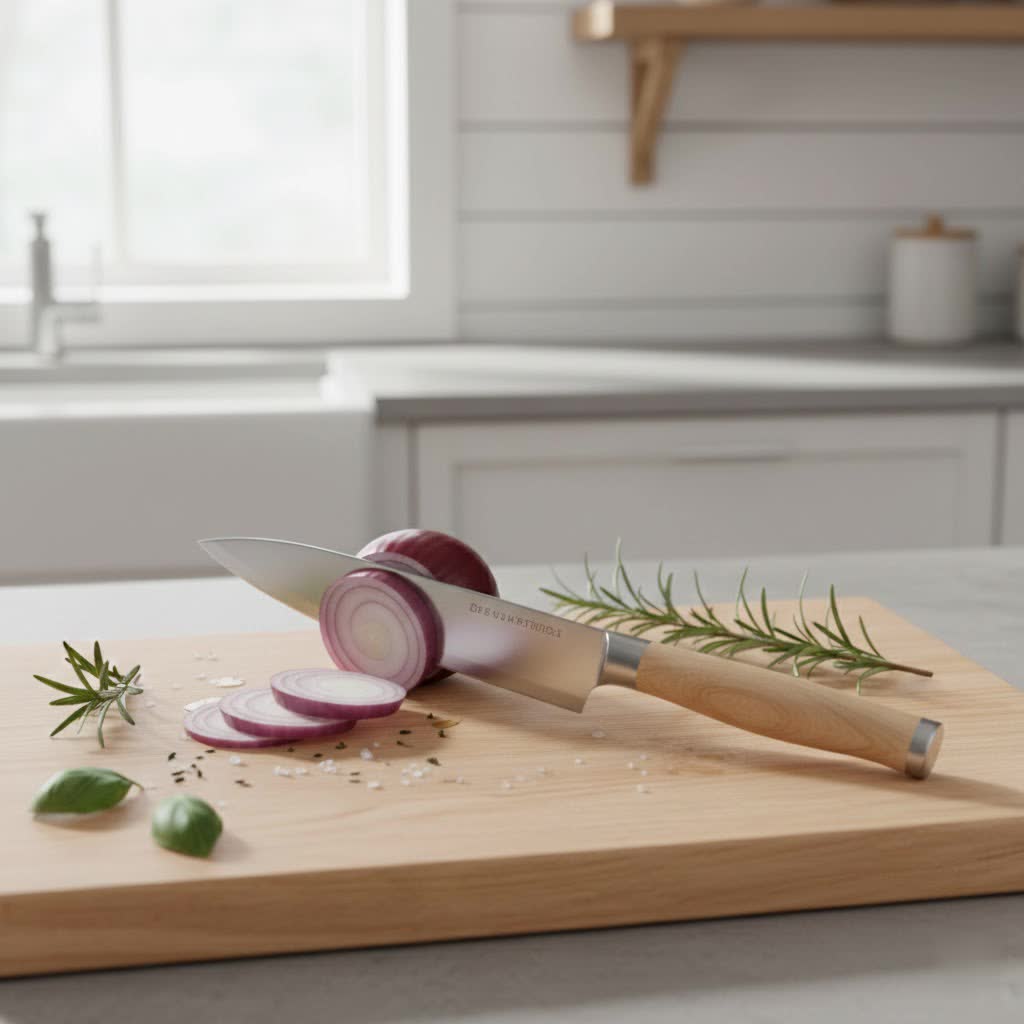
Every culinary enthusiast understands the value of sharp, well-maintained knives. These essential tools are an investment, not just in your cooking prowess but in the efficiency and safety of your kitchen. Yet, how you store your knives profoundly impacts their longevity, sharpness, and the overall safety of your culinary space. Improper storage can lead to dull blades, accidental cuts, and even unhygienic conditions. Two of the most popular and debated knife storage solutions are the classic knife block and the sleek magnetic bar. Each offers distinct advantages and drawbacks, making the choice a personal one based on your kitchen’s unique needs and your individual preferences.
The Paramount Importance of Safe and Effective Knife Storage
Proper knife storage goes beyond mere organization; it’s a critical aspect of kitchen safety and knife maintenance. Tossing knives loosely into a drawer, for instance, is a recipe for dull edges, chipped blades, and dangerous rummaging that can result in painful cuts. Over time, friction against other utensils will degrade the sharpness of your blades, requiring more frequent sharpening and potentially shortening their lifespan. Furthermore, a cluttered drawer makes it difficult to quickly identify the right knife for the task, interrupting your flow in the kitchen.
Beyond physical damage and inconvenience, hygiene is another crucial factor. Enclosed or poorly ventilated storage can trap moisture, leading to rust on metal blades and providing a breeding ground for bacteria. Your knives should always be stored clean and dry to prevent such issues. By carefully considering your storage options, you protect your knives from damage, yourself from injury, and ensure your kitchen remains a clean and efficient workspace.
Knife Blocks: The Enduring Charm of a Classic Solution
Knife blocks have graced kitchen countertops for decades, offering a traditional and often aesthetically pleasing way to store a collection of blades. Typically crafted from wood, bamboo, or even stainless steel, these freestanding units feature individual slots where knives are inserted, usually with the blade fully enclosed.
Advantages of Knife Blocks:
- Enhanced Safety: For many, the primary appeal of a knife block is its safety. With blades neatly tucked away within the block, the risk of accidental cuts from exposed edges is significantly reduced, making them a popular choice for households with children or pets.
- Blade Protection: When knives are correctly inserted, the block’s slots shield the blades from striking other utensils, which helps to preserve their sharpness and prevent nicks or chips on the cutting edge.
- Aesthetic Appeal: A well-designed knife block can serve as a stylish focal point on your countertop, proudly displaying your knife set and adding a touch of classic elegance to your kitchen decor.
- Accessibility: Keeping your most-used knives in a dedicated countertop block means they are always within easy reach, streamlining your meal preparation process.
|
Our Picks for the Best Kitchen knife set in 2026
As an Amazon Associate I earn from qualifying purchases.
|
||
| Num | Product | Action |
|---|---|---|
| 1 | Knife Set, Astercook 21 Pieces Knife Sets for Kitchen with Block, Dishwasher Safe Kitchen Knife Set with Built-in Sharpener, German Stainless Steel Black Knife Block Set |

|
| 2 | Astercook Knife Set, 13 Pieces Kitchen Knives Set with Healthy Anti-Rust Coating, Dishwasher Safe, Stainless Steel Chef Knife Sets with 6 Blade Guards, Perfect Holiday Gifts for Kitchen |
|
| 3 | Amazon Basics 14-Piece High Carbon Stainless Steel Kitchen Knife Set with Full Tang Construction, Ergonomic Handles, Sharpener and Pinewood Block, Black |
|
| 4 | ZWILLING Pro RCF 5-pc Magnetic Knife Block Set, Natural |
|
| 5 | XYJ Authentic Since 1986, Kitchen Knife Set with Wooden Magnetic Knife Block, Scissors, Honing Steel, Peeler, Gloves, Vegetable Slicer Cooking Bread Butcher Chef Knives |
|
| 6 | Knife Set, Astercook 15 Pieces Knife Sets for Kitchen with Block, Dishwasher Safe Kitchen Knife Set with Built in Sharpener Block, German Stainless Steel Knife Block Set, Valentine's Gift |
|
| 7 | Cuisinart 15-Piece Knife Set with Block, High Carbon Stainless Steel, Forged Triple Rivet, White, C77WTR-15P |
|
| 8 | Ninja K32017 Foodi NeverDull Premium Knife System, 17 Piece Knife Block Set with Built-in Sharpener, German Stainless Steel Knives, Black |
|
| 9 | HENCKELS Statement 15-Piece Knife Set, Natural Wood Knife Block Set, Razor-Sharp Kitchen Knives, Lightweight, Dishwasher Safe |
|
| 10 | 16 Piece Kitchen Knife Set with Block & Cutting Board, German Stainless Steel Knife Set with Heat-Sealed Over-molded Handles, Dishwasher Safe & Anti-Flaking Non-Stick Coating, Black |
|
Disadvantages of Knife Blocks:
- Hygiene Challenges: The enclosed nature of knife block slots can be a drawback. If knives are not thoroughly dried before insertion, moisture can become trapped, fostering bacterial growth or leading to rust. Cleaning inside the slots can also be difficult, allowing crumbs and debris to accumulate.
- Countertop Real Estate: Knife blocks can occupy a considerable amount of valuable countertop space, which might be a significant concern in smaller kitchens where every inch counts.
- Limited Versatility: Most traditional knife blocks come with fixed slot sizes and orientations, meaning they might not accommodate all blade shapes or an expanding collection. Wider blades, unique handles, or specialty knives may not fit, forcing you to find alternative storage for them.
- Potential for Blade Dulling: If knives are repeatedly dragged along the wooden or plastic edges of the slots when inserted or removed, it can subtly dull the blade over time. Inserting them spine-first can mitigate this issue.
Magnetic Knife Bars: The Sleek, Space-Saving Alternative
Magnetic knife bars, also known as magnetic strips or racks, offer a modern and minimalist approach to knife storage. These utilitarian fixtures are mounted directly onto a wall or cabinet, using powerful magnets to secure knives by their blades.
Advantages of Magnetic Knife Bars:
- Superior Space-Saving: One of the most compelling benefits of a magnetic knife bar is its ability to free up valuable countertop and drawer space. By utilizing vertical wall space, these strips are an ideal solution for compact kitchens.
- Enhanced Hygiene: With blades openly displayed, air circulation is maximized, promoting quicker drying and preventing moisture buildup that can lead to rust or bacterial growth. They are also exceptionally easy to wipe clean.
- Instant Visibility and Access: Knives are fully visible at a glance, allowing you to quickly identify and grab the exact knife you need without fumbling through slots or drawers. This open access can significantly speed up prep time.
- Versatile Storage: Magnetic strips can hold almost any metallic knife, regardless of its size, shape, or brand, offering greater flexibility for diverse knife collections. The only exception is ceramic knives, which do not adhere to magnets.
- Blade Preservation: When knives are properly placed on a magnetic strip (applying the spine first and then rotating the blade flat), the edge avoids contact with other surfaces, helping to maintain its sharpness.
Disadvantages of Magnetic Knife Bars:
- Safety Concerns with Exposed Blades: The most common concern with magnetic knife bars is that knives are openly exposed. This can pose a higher risk of accidental cuts, especially in active kitchens or homes with young children. Careful placement, out of reach, is paramount.
- Installation Requirements: Unlike a freestanding block, a magnetic knife bar requires proper installation, which may involve drilling into walls or cabinets. A secure mount is crucial to prevent the strip and knives from falling.
- Potential for Scratches: While generally good for blade preservation, careless placement or a low-quality magnetic strip with a rough surface can potentially scratch the flat sides of your knives.
- Risk of Falling: If the magnet is not strong enough for a heavy knife, or if a knife is placed off-center, there’s a risk of it slipping or falling, which is a safety hazard and can damage the knife or floor.
Key Considerations When Choosing Your Knife Storage
Deciding between a knife block and a magnetic bar, or exploring other options, hinges on several factors unique to your kitchen and lifestyle:
- Kitchen Space and Layout: Do you have ample countertop space for a block, or would a wall-mounted magnetic strip better utilize vertical space in a smaller kitchen?
- Household Safety: If you have curious children or active pets, the enclosed design of a knife block might offer greater peace of mind than exposed blades on a magnetic strip. Alternatively, a magnetic strip mounted high out of reach could also be safe.
- Knife Collection Size and Type: A magnetic bar provides more flexibility for an eclectic collection of knives of various sizes, whereas a block might be better suited for a standard, uniform set. Ceramic knives cannot be stored on magnetic strips.
- Aesthetics and Design: Do you prefer the traditional look of a wooden block or the modern, minimalist appeal of a magnetic strip that showcases your blades?
- Maintenance Preferences: Consider how easily you can clean and maintain each option to ensure optimal hygiene for your knives.
Other Safe Knife Storage Solutions
While blocks and magnetic bars are prominent, several other safe and effective storage solutions exist:
- In-Drawer Organizers: These inserts fit into kitchen drawers, providing individual slots or cradles for knives. They keep blades protected, out of sight, and free up counter space without the need for wall mounting.
- Blade Guards/Sheaths: Individual plastic or felt covers for knife blades are excellent for protecting edges, especially if you store knives in a drawer without an organizer or transport them frequently.
- Knife Rolls/Bags: Primarily used by professional chefs or for transporting knives, these fabric rolls or cases feature individual pockets to secure blades, making them ideal for portability and extensive collections.
Best Practices for Knife Care, Regardless of Storage Method
No matter which storage solution you choose, adhering to general knife care best practices will ensure your blades remain in pristine condition:
- Always Dry Thoroughly: Moisture is the enemy of sharp blades. Always hand wash and completely dry your knives immediately after use, preventing rust and inhibiting bacterial growth before storing.
- Avoid Loose Storage: Never toss knives unprotected into a drawer. The constant jostling against other utensils dulls edges and increases the risk of injury.
- Protect Edges: Ensure your knife edges never come into direct contact with hard surfaces like stone countertops, metal sinks, or other sharp objects. This is key to maintaining sharpness.
- Regular Cleaning: Keep your chosen storage solution clean. Wipe down magnetic strips regularly and ensure knife block slots are free of debris to maintain a hygienic environment.
- Proper Insertion and Removal: For knife blocks, gently insert knives spine-first to avoid dulling the cutting edge. For magnetic strips, place the spine against the bar first, then rotate the blade flat to adhere, and remove by peeling the blade away from the spine.
“The ultimate goal of knife storage is not just organization, but the preservation of your blades and the safety of your home. A keen edge and a secure resting place are the hallmarks of a respected knife.”
Conclusion
Choosing the ideal knife storage solution is a pivotal decision for any kitchen, balancing safety, blade protection, and aesthetic preference. Knife blocks offer a classic, countertop presence with enclosed safety, while magnetic bars provide a modern, space-saving display that emphasizes hygiene and accessibility. Both methods, when implemented thoughtfully, can significantly enhance your kitchen’s functionality and safeguard your valuable cutlery.
Ultimately, the “best” choice is the one that aligns seamlessly with your kitchen’s layout, your daily cooking habits, and the unique needs of your household. Consider your priorities: Is countertop space precious? Do you have young children? How extensive is your knife collection? By evaluating these factors, you can make an informed decision that will keep your knives sharp, safe, and ready for every culinary adventure. Which storage solution will you choose to elevate your kitchen experience?
Frequently Asked Questions
Do magnetic knife strips dull knives?
Magnetic knife strips do not inherently dull knives. Dulling occurs primarily from improper placement, such as sliding the blade across the magnet or hitting it against other knives. When properly applied and removed (spine first), magnetic strips actually help preserve the edge by preventing contact with other objects.
Are knife blocks hygienic?
Knife blocks can be hygienic if knives are always inserted clean and completely dry. However, their enclosed slots can trap moisture, food particles, and dust, creating an environment for bacteria or mold if not regularly cleaned. Open-slot designs and frequent cleaning can help mitigate these issues.
What are good alternatives to blocks and magnetic strips?
Excellent alternatives include in-drawer knife organizers, which keep blades protected and out of sight in a drawer, and individual blade guards or sheaths for safe drawer storage or portability. Knife rolls are also great for transporting knives or for those with larger collections.
How do I keep knives safe from children?
To keep knives safe from children, consider enclosed storage options like a knife block placed out of reach, or an in-drawer organizer with a child-proof lock on the drawer. Wall-mounted magnetic strips should be installed at a height well beyond a child’s reach.
Can ceramic knives be stored on a magnetic strip?
No, ceramic knives typically cannot be stored on a magnetic strip. Ceramic is not a magnetic material, so these blades will not adhere to a magnetic holder. They require alternative storage solutions such as knife blocks with appropriate slots, in-drawer organizers, or individual blade guards.